

Mars
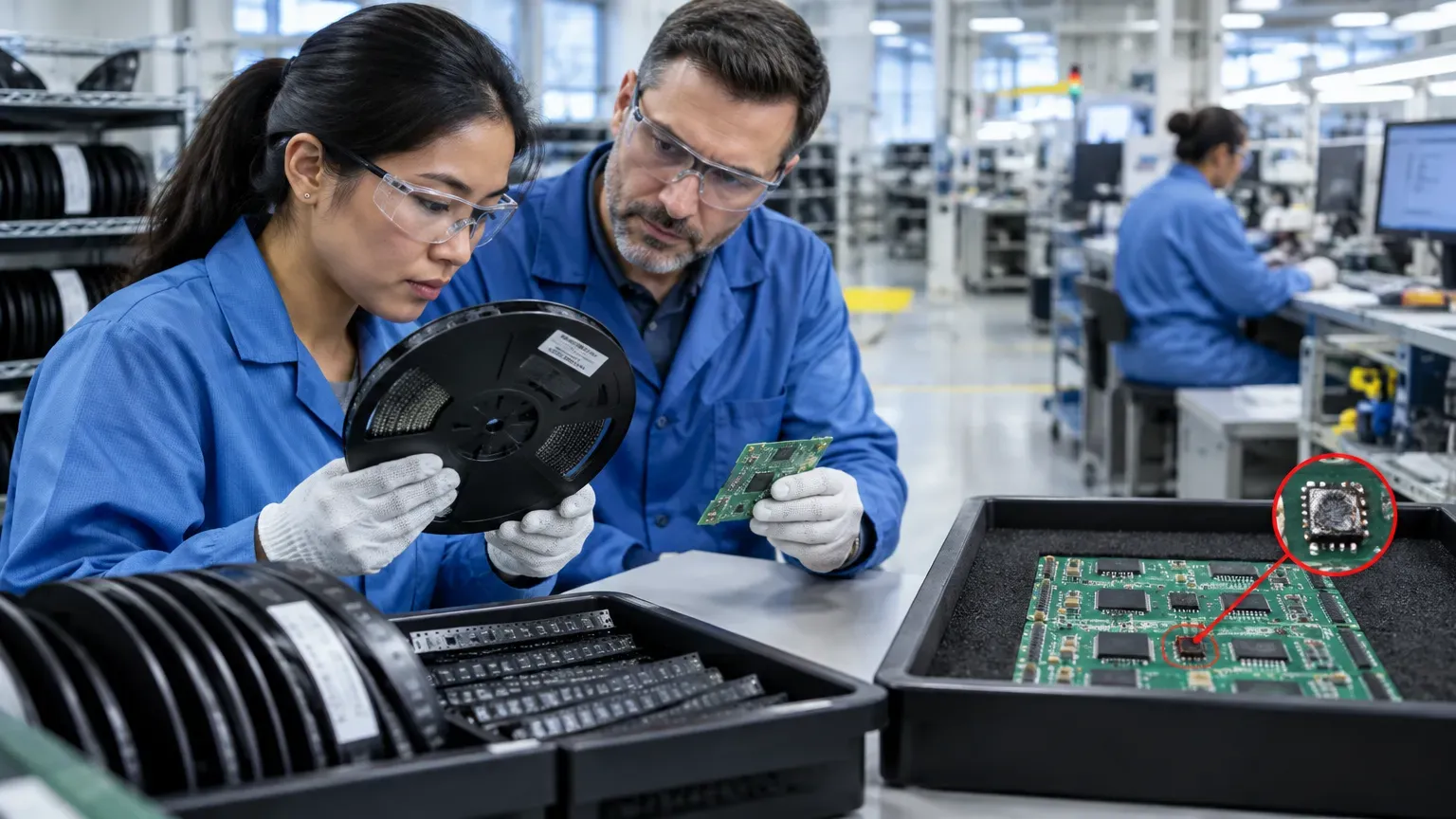
A Component Passed Receiving. Why Did Supplier Quality Still Reach Production?
Incoming inspection reduces risk but cannot guarantee every component is good. EMS supplier quality needs approved-source control, lot identity, inspection evidence, defect history and forward trace so suspect material can be contained before it spreads.
Mars
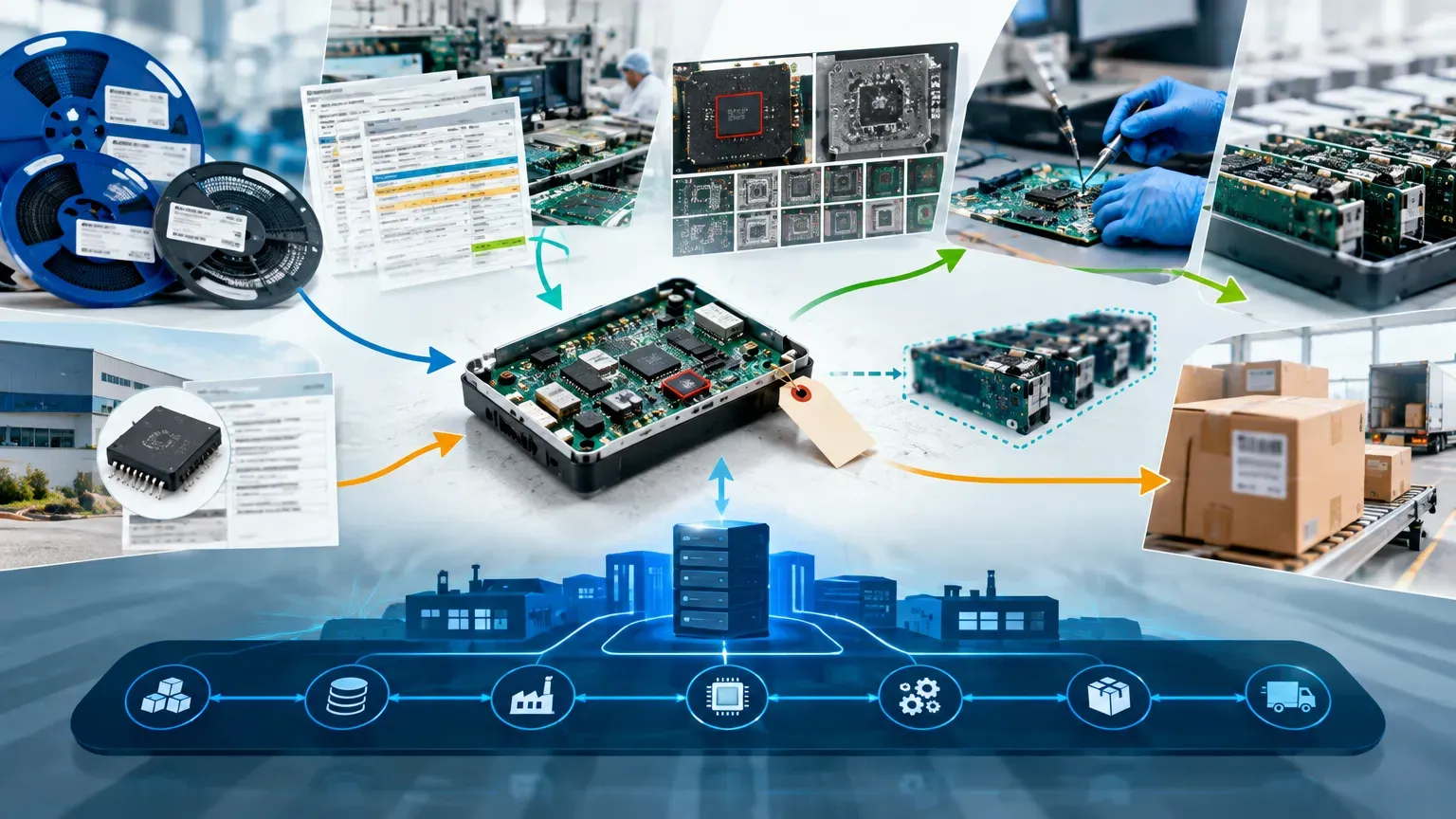
A Defect Reached the Customer. Can Your EMS Operation Contain It Fast Enough?
Customer escapes in electronics manufacturing are managed well only when quality, genealogy, material identity, WIP, supplier history, rework and shipment records can be connected quickly enough to define the real affected population and corrective action.
Mars
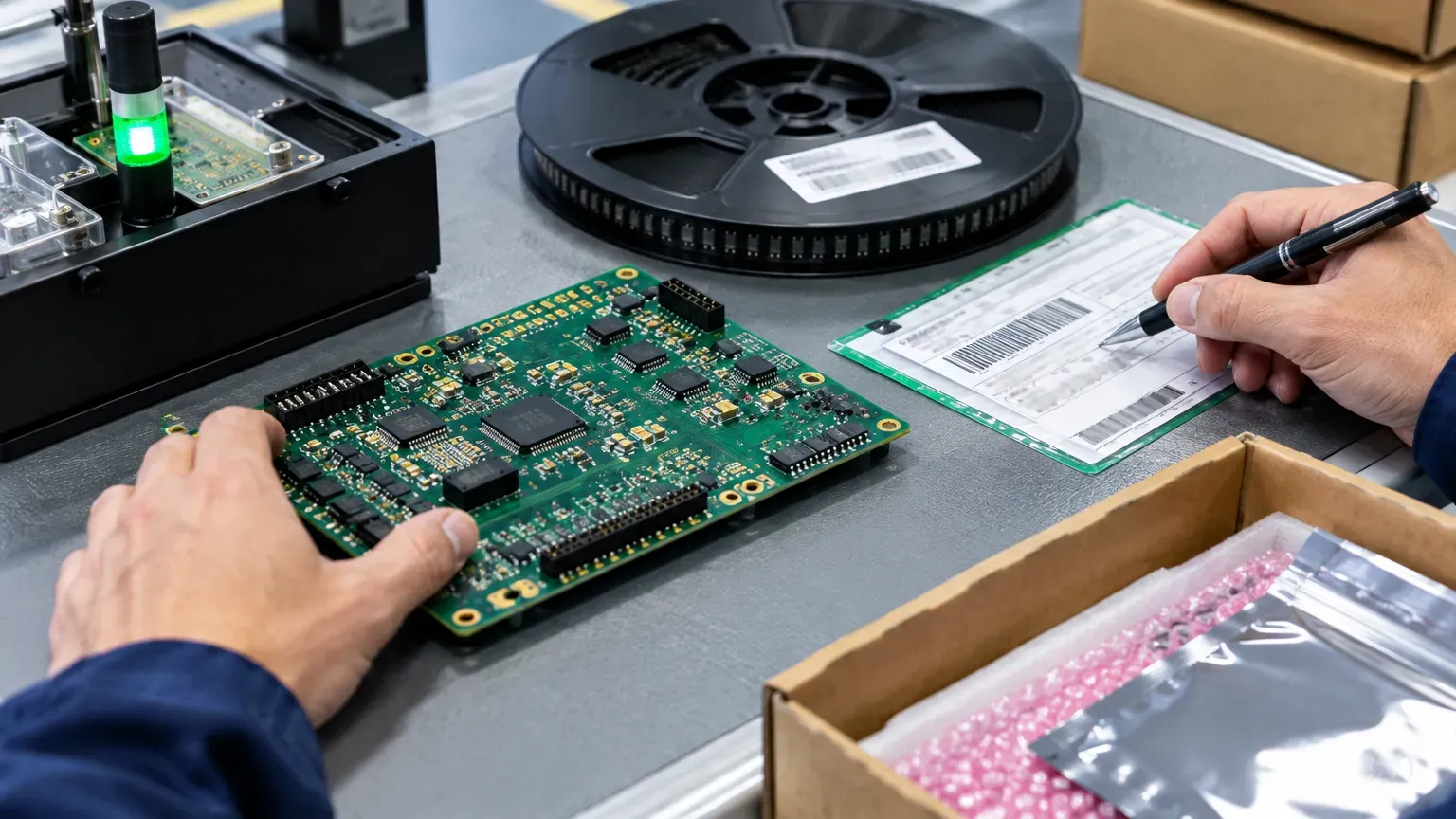
Can You Promise the Ship Date Before Material, Capacity and WIP Agree?
EMS delivery commitments are reliable only when component readiness, constrained capacity, current WIP, test and outside-processing dependencies support the date. Customer service needs an operational promise, not only an ERP due date.
Mars
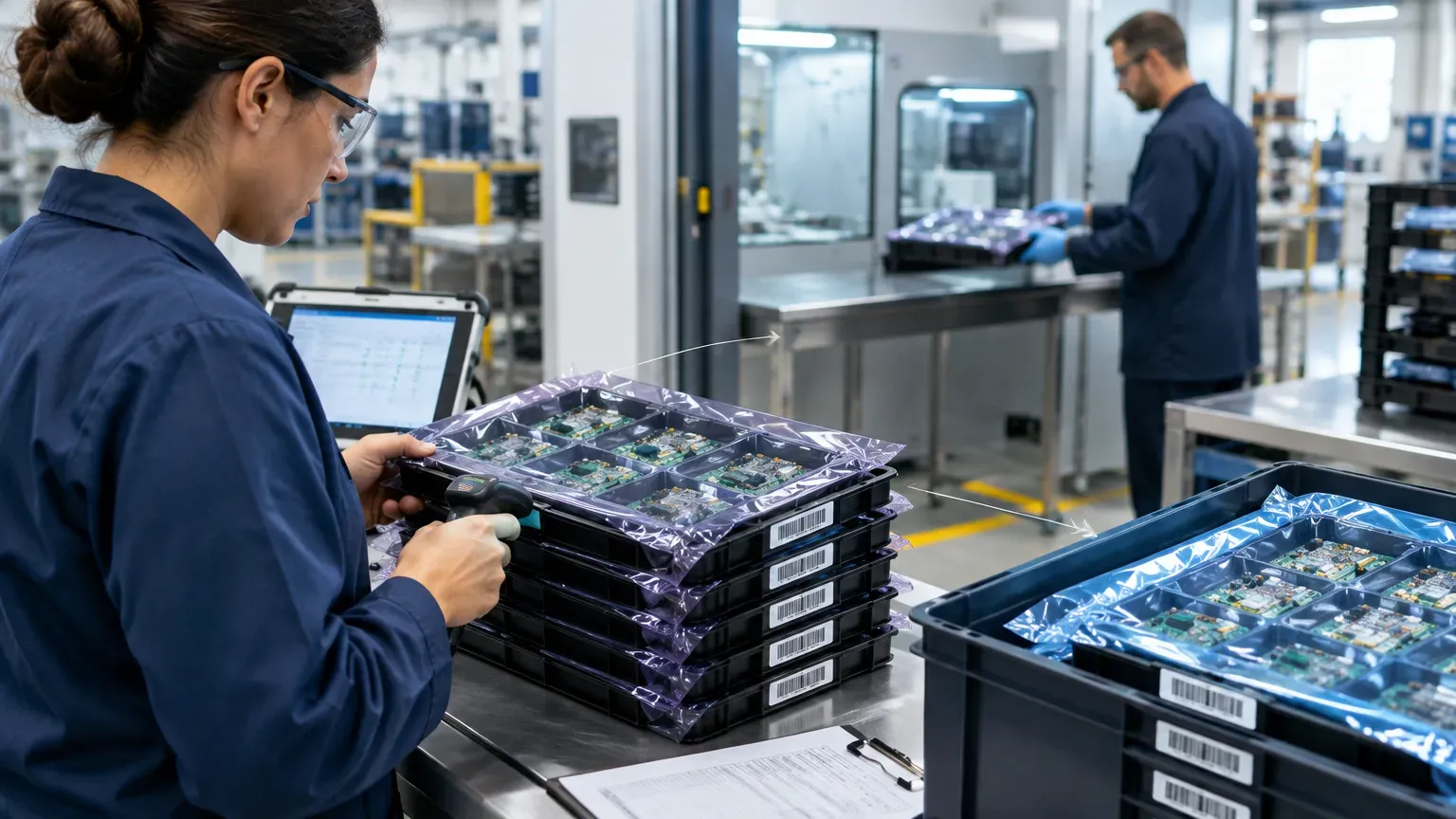
The Job Left the Factory for Outside Processing. Do You Still Control It?
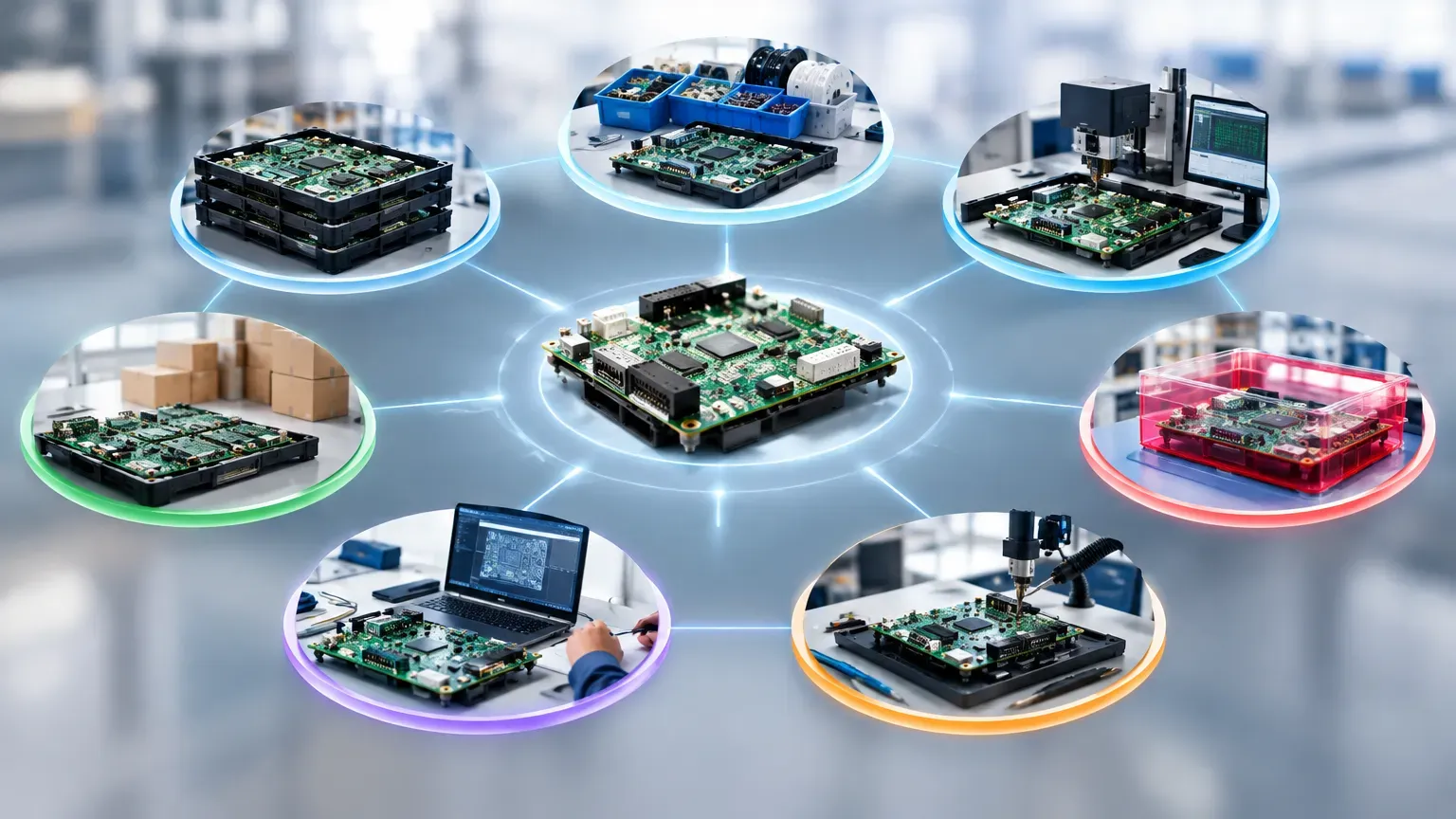
Outside programming, coating, machining, inspection or other subcontract steps can break visibility if material identity, quantity, revision, expected return and quality status are not connected to the original EMS work order.
Mars
The Work Order Is Open. Where Is the WIP—and Why Has It Stopped?
Open work orders do not explain whether electronics WIP is queued, waiting for material, under test, on quality hold, in rework or sitting between operations. EMS control needs operational status at the point where work is actually waiting.

Mars
Too Many Changeovers? How Do You Sequence High-Mix SMT Without Breaking Priorities?
High-mix SMT scheduling must balance customer priority with feeder setup, component commonality, program change, stencil/tooling readiness and material availability. The best sequence is not simply earliest due date.
Mars
One Component, Three Urgent Orders: Who Gets the Scarce Stock?
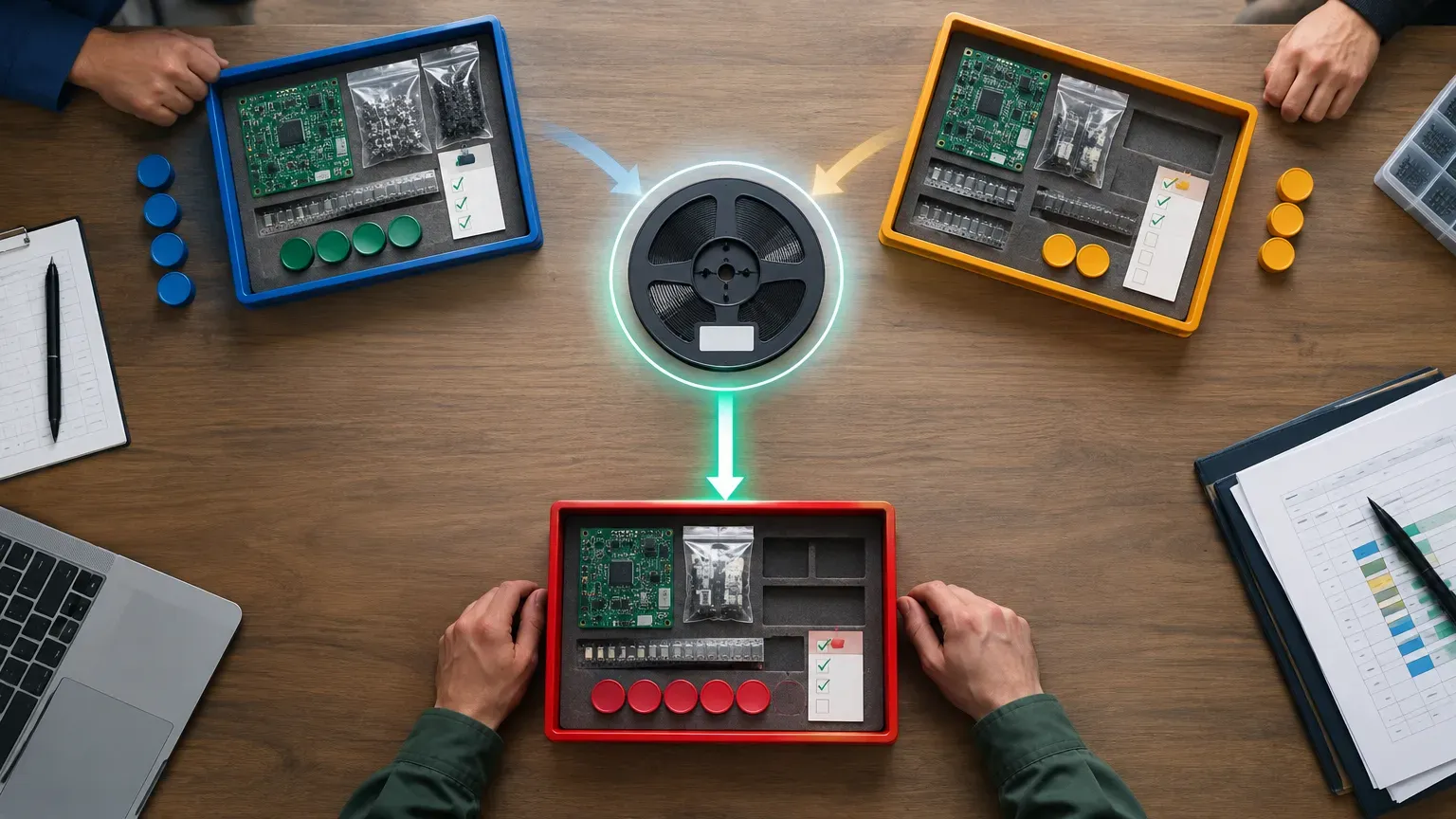
Scarce components force EMS manufacturers to choose which orders can build first. A controlled allocation process should connect customer priority, due date, approved source, partial-kit status, margin and recovery options instead of relying on whoever escalates loudest.

Mars
Forecast, Firm Order or Customer Expedite: Which Demand Should Drive EMS Planning?
EMS planning becomes unstable when forecast, firm orders, expedites and customer priorities are treated as equivalent demand. Management needs clear demand classes and commitment rules so purchasing and production respond proportionately.

Mars
High-Mix EMS Changes Every Day. How Do You Keep Production Under Control?
High-mix EMS operations face changing demand, shortages, priorities, setups and WIP every day. Control comes from connecting forecast, scarce-component allocation, sequencing, WIP status, subcontracting and delivery commitments on an enterprise-grade Epicor foundation with Epicor Mars industry execution.

Mars
NPI Is Over. What Has to Be Frozen Before Volume Production Takes Over?
The handover from NPI to volume production needs a controlled baseline: product revision, mBOM, approved sources, routing, programs, test limits, work instructions, quality plan and standard execution rules.
Mars
Reworked Unit, Replaced Component: Does Your Build History Still Tell the Truth?
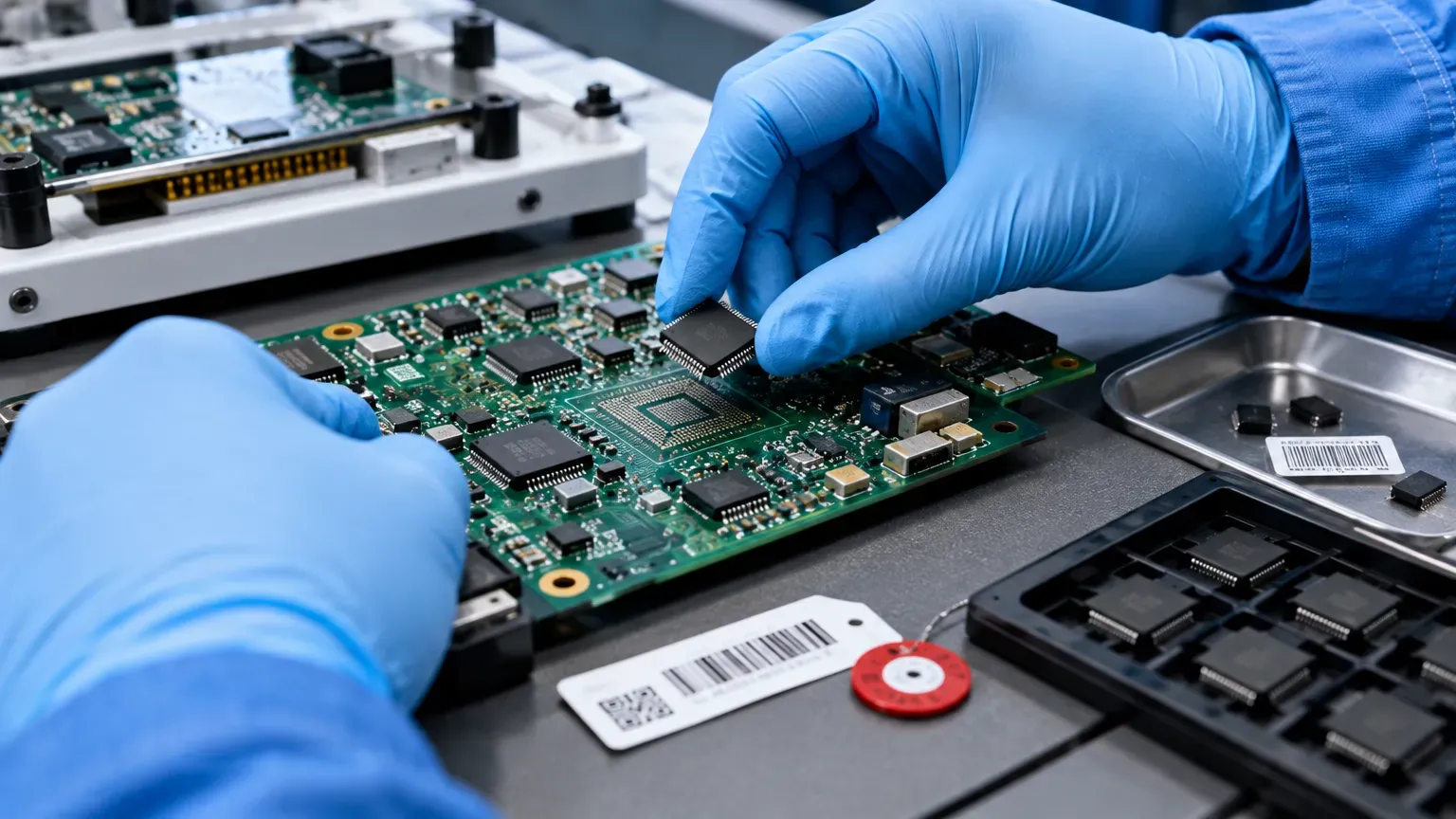
During NPI, repair and rework can change the as-built configuration. EMS genealogy should update component, operation, defect and repair history so the delivered unit record reflects what actually happened.
Mars
Yield Is Improving. How Do You Know the NPI Process Is Really Learning?
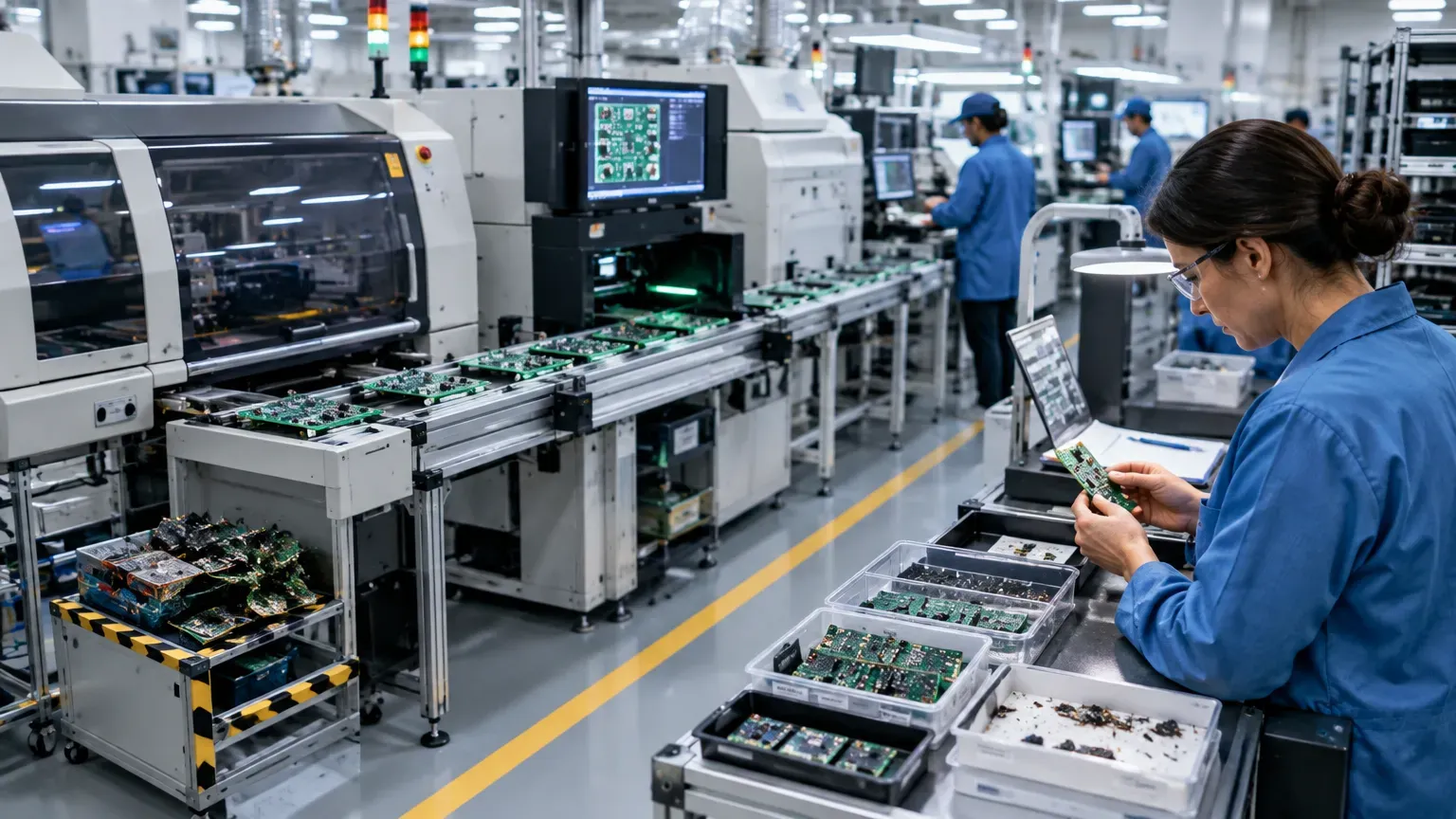
Early yield should be treated as learning evidence, not just a production score. EMS teams need to connect defect mode, operation, material, machine, rework and corrective action so yield improvement becomes repeatable.