


Venus
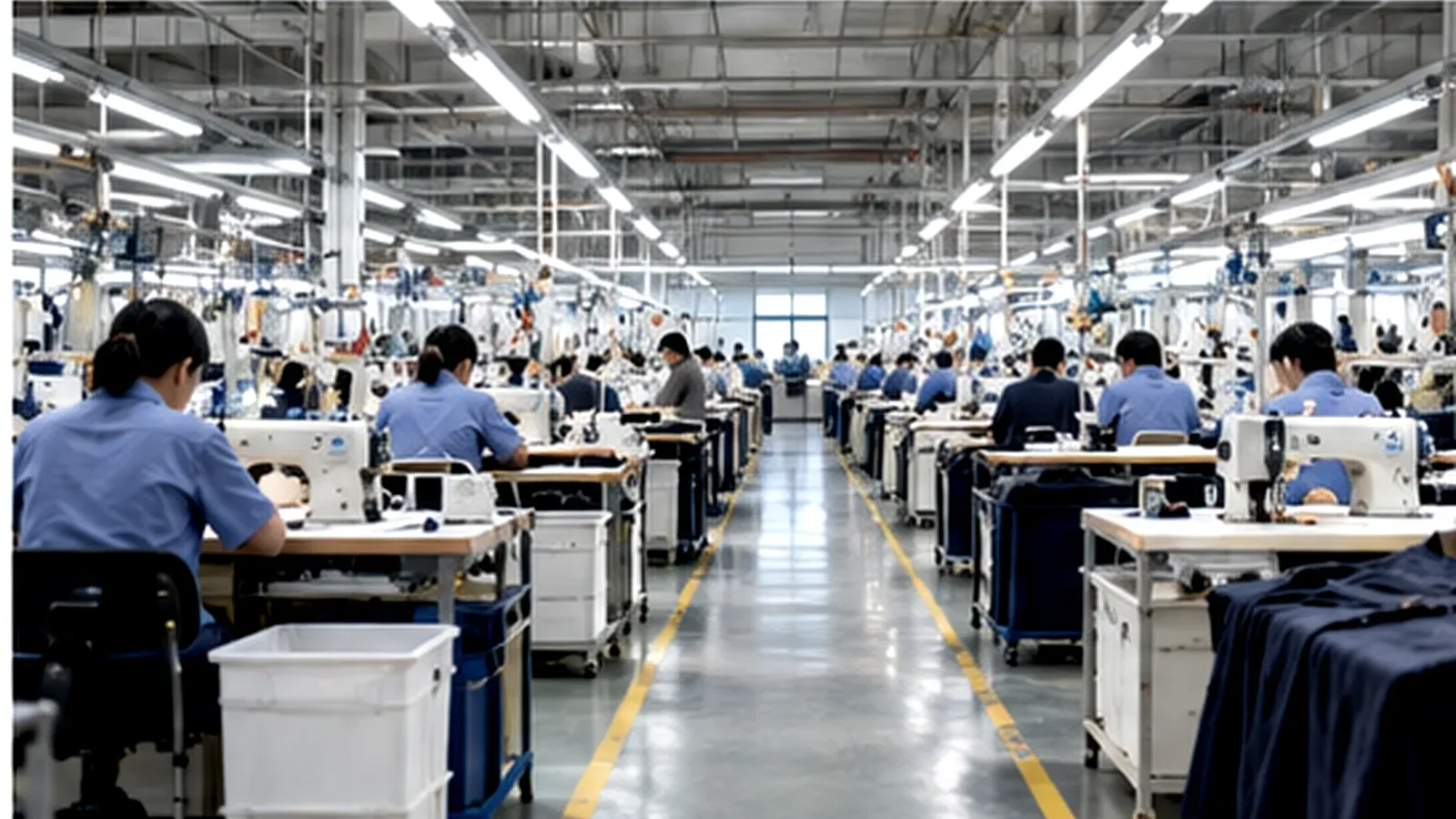
The Buyer Moved the Delivery Date. Can the Entire Critical Path Move With It?
What garment teams should recalculate when a buyer changes delivery timing, from material and capacity windows to packing and shipment handoffs.
Venus
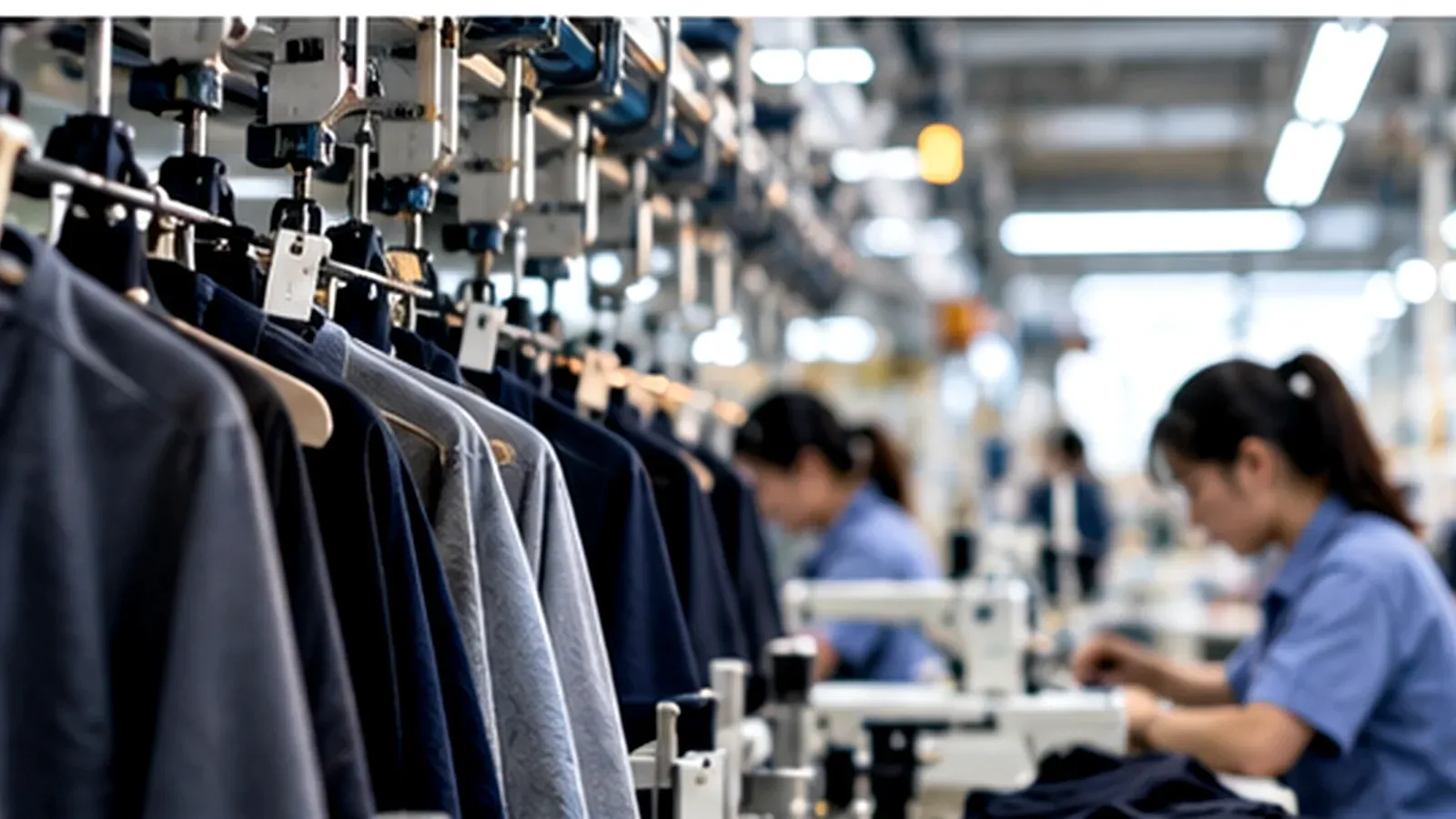
The Factory Says It Has Capacity. Is That Capacity Really Available?
How to separate nominal hours from truly usable capacity after materials, skills, maintenance, approvals and downstream constraints are considered.
Venus
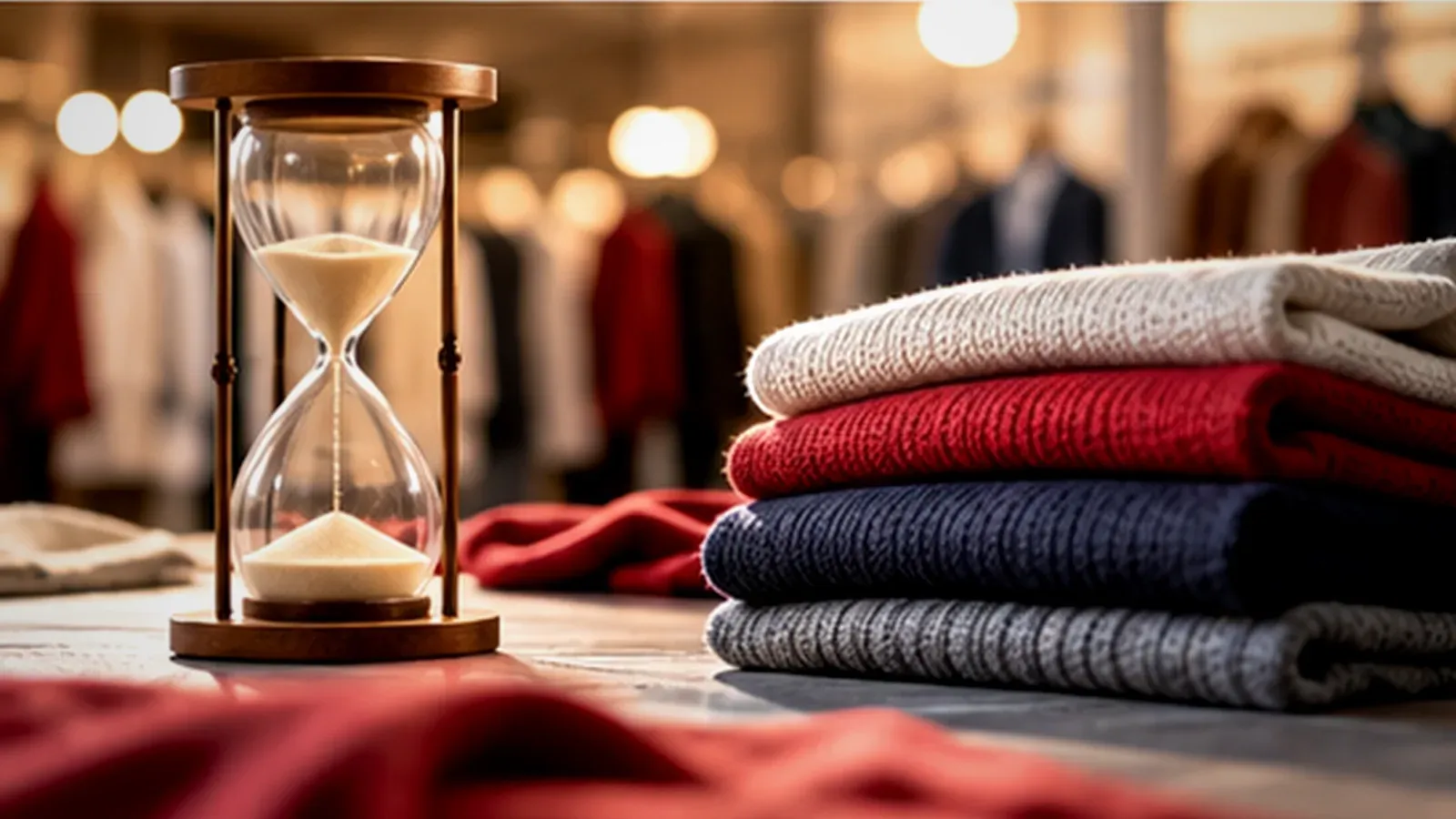
One Line Can Make Three Styles. Which Mix Protects More Delivery Commitments?
Why line capacity must account for style mix, learning curve, changeover and WIP—not only available hours or operator headcount.
Venus
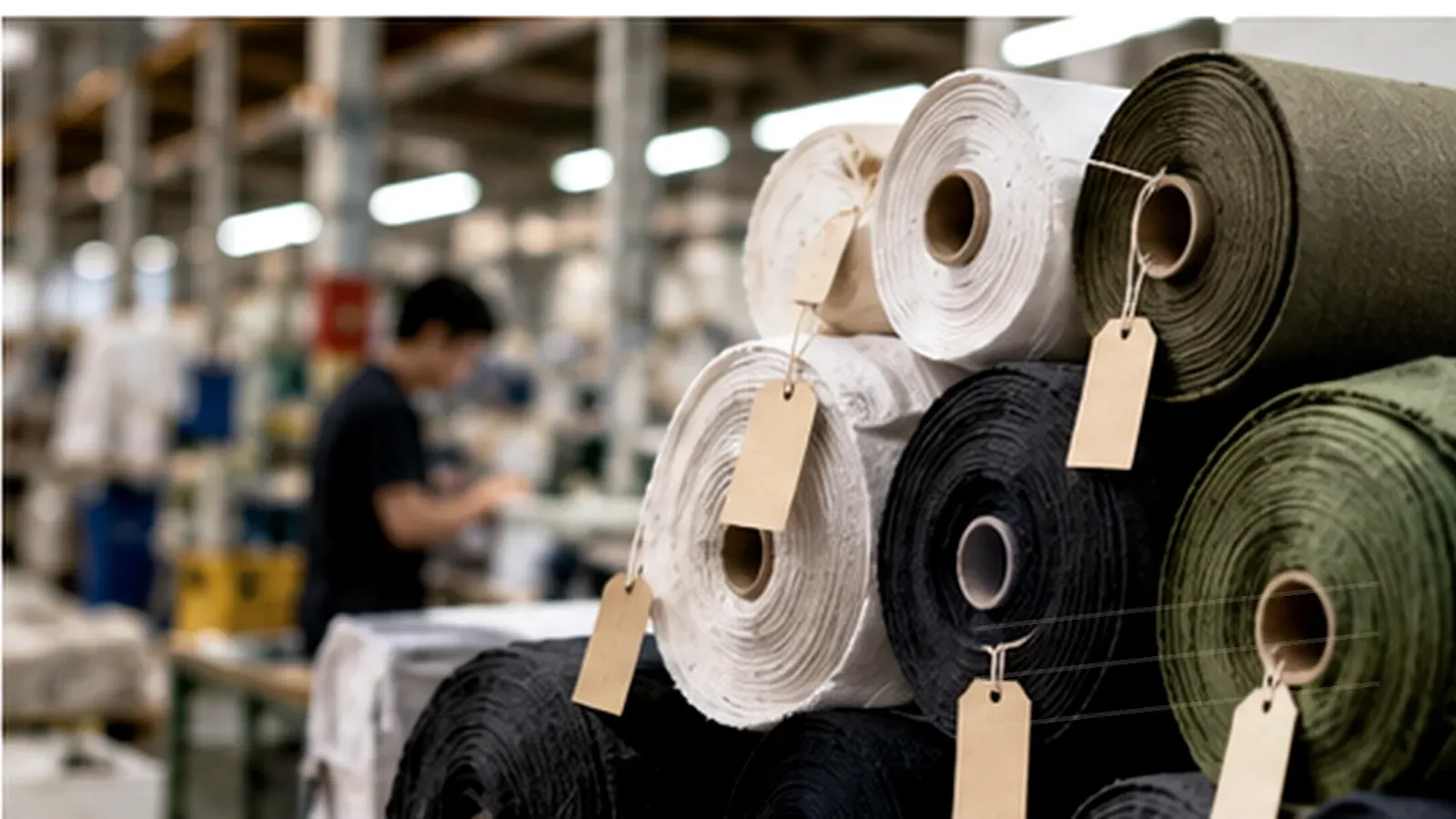
Peak Season Is Coming. Which Garment Orders Should Enter the Factory First?
Peak-season priority becomes credible when readiness, delivery exposure, changeover impact and remaining recovery time are considered together instead of letting the latest urgent request control the factory.
Venus
The Lead Time Fits the Calendar. Why Does Material Readiness Still Miss the Line?
How garment teams can plan backward from first-use operations so fabric and trims become usable before the line needs them.

Venus
The Order Is Confirmed. Did Anyone Reserve the Capacity It Actually Needs?
Why confirmed garment orders can still compete for the same factory hours, and how explicit capacity reservation reduces late surprises.

Venus
From Buyer Calendar to Factory Capacity: How Do Garment Manufacturers Protect the Season Before It Becomes Urgent?
Buyer delivery calendars become executable only when capacity, materials, style mix, priority and shipment windows are connected early enough to protect the season before urgency takes over.

Venus
Want AI in Garment Operations? Is Your ERP Data Ready to Support It?
AI can help garment operations only when the underlying ERP and MES data is timely, consistent and connected. Poor master data and delayed shopfloor records simply make automated recommendations less trustworthy.

Venus
Three Factories Use the Same ERP. Are They Measuring the Same Thing?
Using one ERP across several garment factories does not guarantee comparable data. Groups need common definitions for status, efficiency, WIP, quality, capacity, calendars and master data before group reporting is trustworthy.
Venus
Purchase Orders Are in ERP. Do Supplier Delays Become Visible Early Enough?
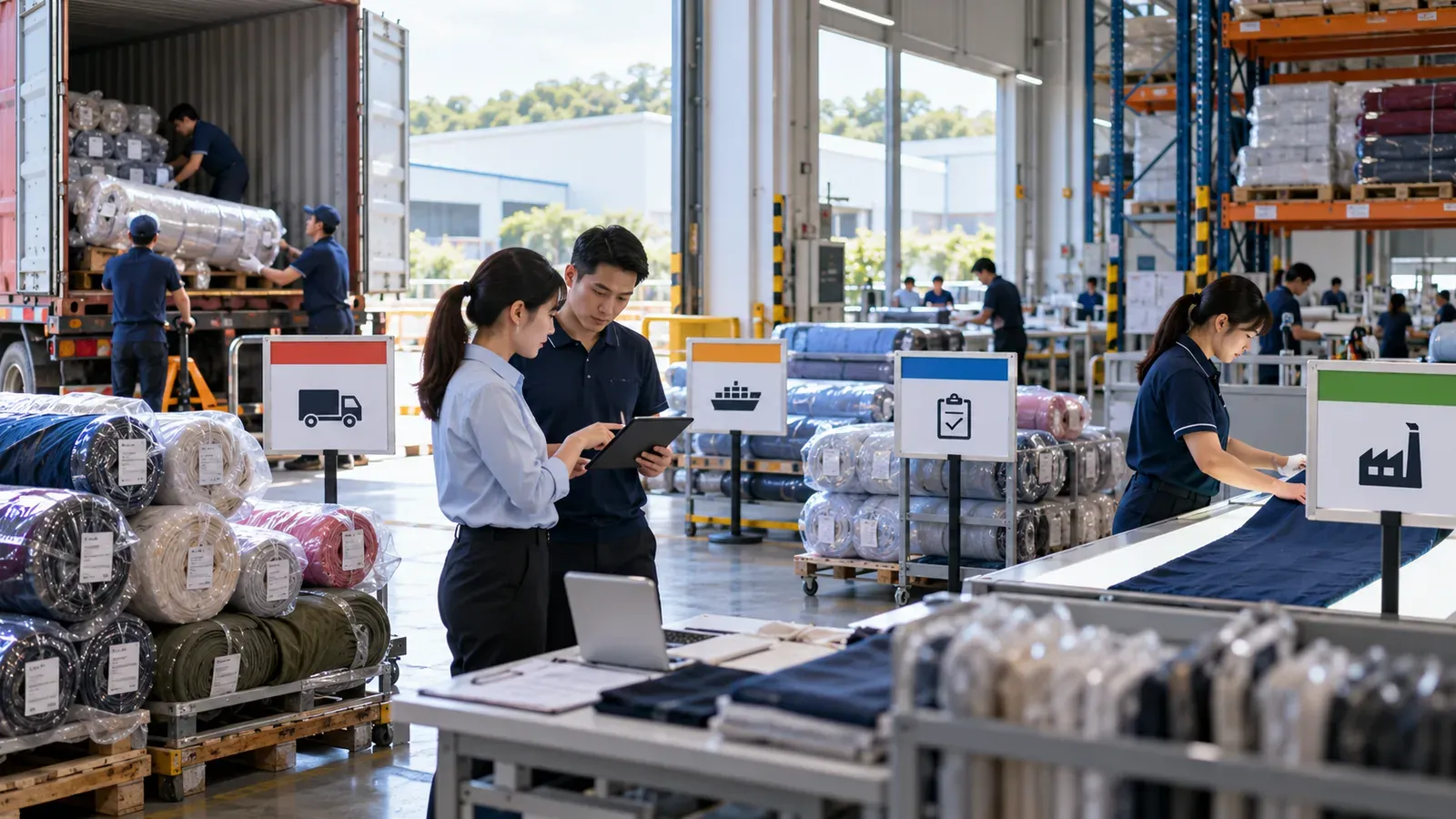
A purchase order in ERP proves that demand was placed, not that material risk is controlled. Garment teams need supplier commitment, movement, receipt, inspection and allocation visibility before delays reach the line.
Venus
The MES Screen Is Installed. Are Supervisors Using It When Decisions Happen?
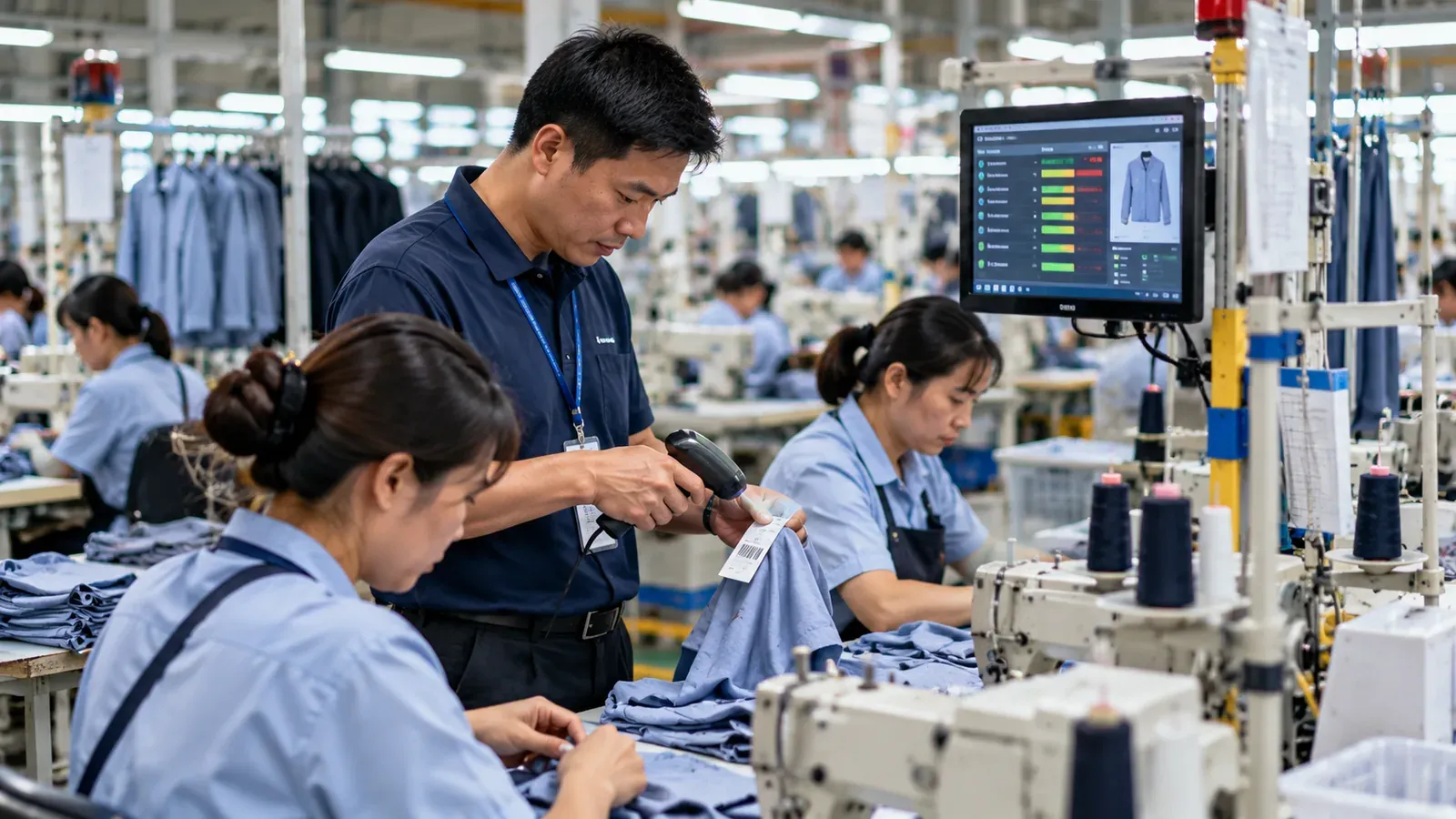
MES creates value when supervisors use live shopfloor information at the moment they rebalance work, react to bottlenecks, manage quality and protect delivery—not when data is entered later.
Venus
The Dashboard Is Full. Which Garment KPIs Actually Change Decisions?
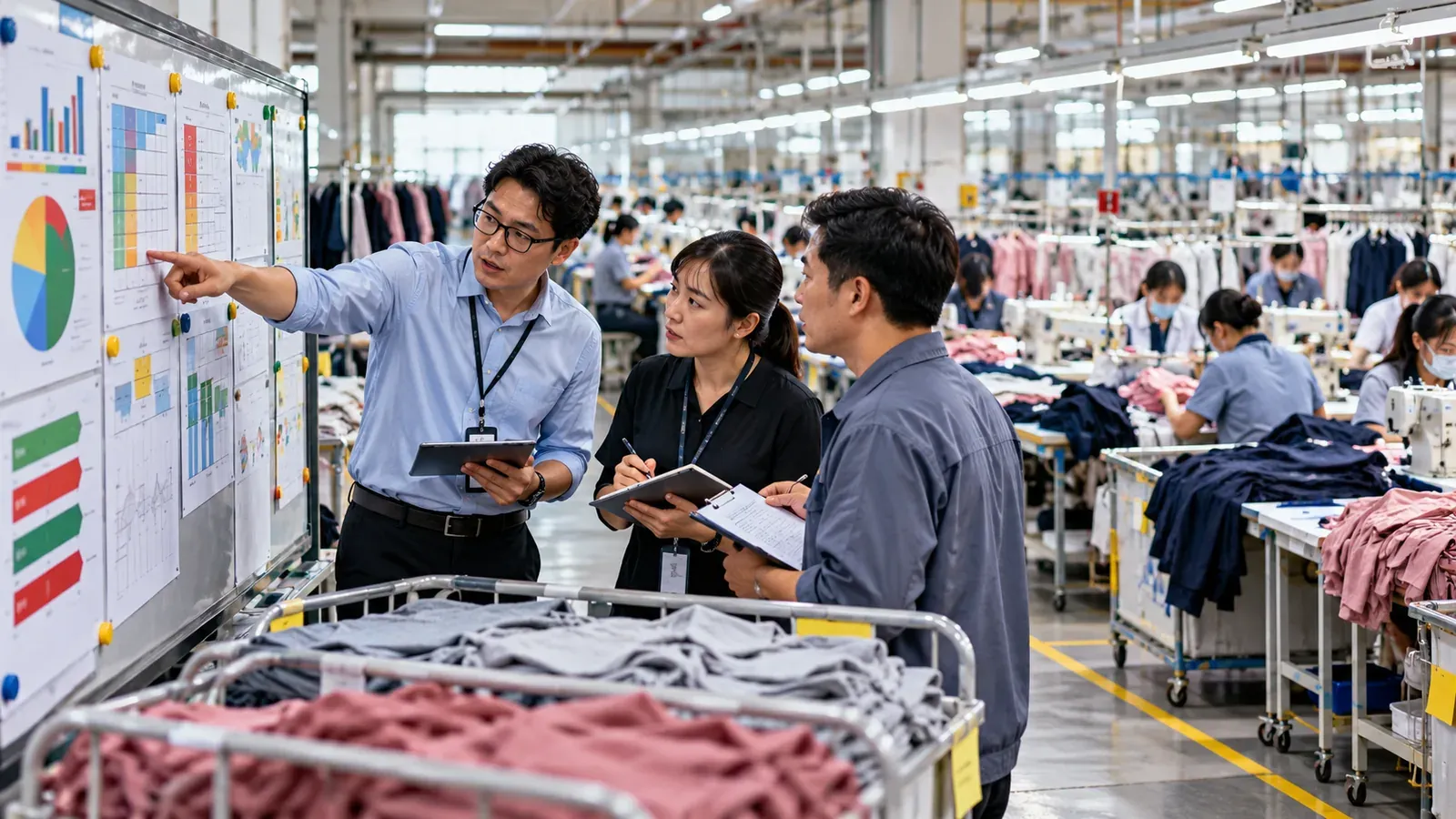
A useful garment KPI is not simply measurable; it changes what someone does. Management needs a small hierarchy of indicators tied to delivery, flow, quality, material readiness and margin.