


Jupiter
The Customer Says, “It’s Just a Repeat Job.” Should the Price Still Be the Same?
Repeat jobs can drift economically as material prices, quantities, run lengths, tooling condition, waste, freight and process assumptions change. Reuse the history, but revalidate the economics.

Jupiter
Actual Cost Is Higher Than Estimate. Which Assumption Was Wrong?
Estimate-versus-actual review is valuable only when the variance can be traced to material, time, waste, rate, routing, scope or execution. The goal is to improve the next estimate, not simply explain the last job.

Jupiter
The Press Rate Looks Profitable. What Happens When Finishing and Outsourcing Are Added?
Press economics can look healthy while lamination, foil, die-cutting, gluing, handwork or subcontracting erode margin. Estimates need the whole production route, not the press alone.

Jupiter
Makeready Was Budgeted Once. Why Did the Job Need It Three Times?
Makeready cost grows when jobs are split, resequenced, repeated across processes or restarted after interruptions. Estimating should reflect the setup events the actual production route is likely to require.
Jupiter
How Much Paper or Board Will the Job Really Consume?
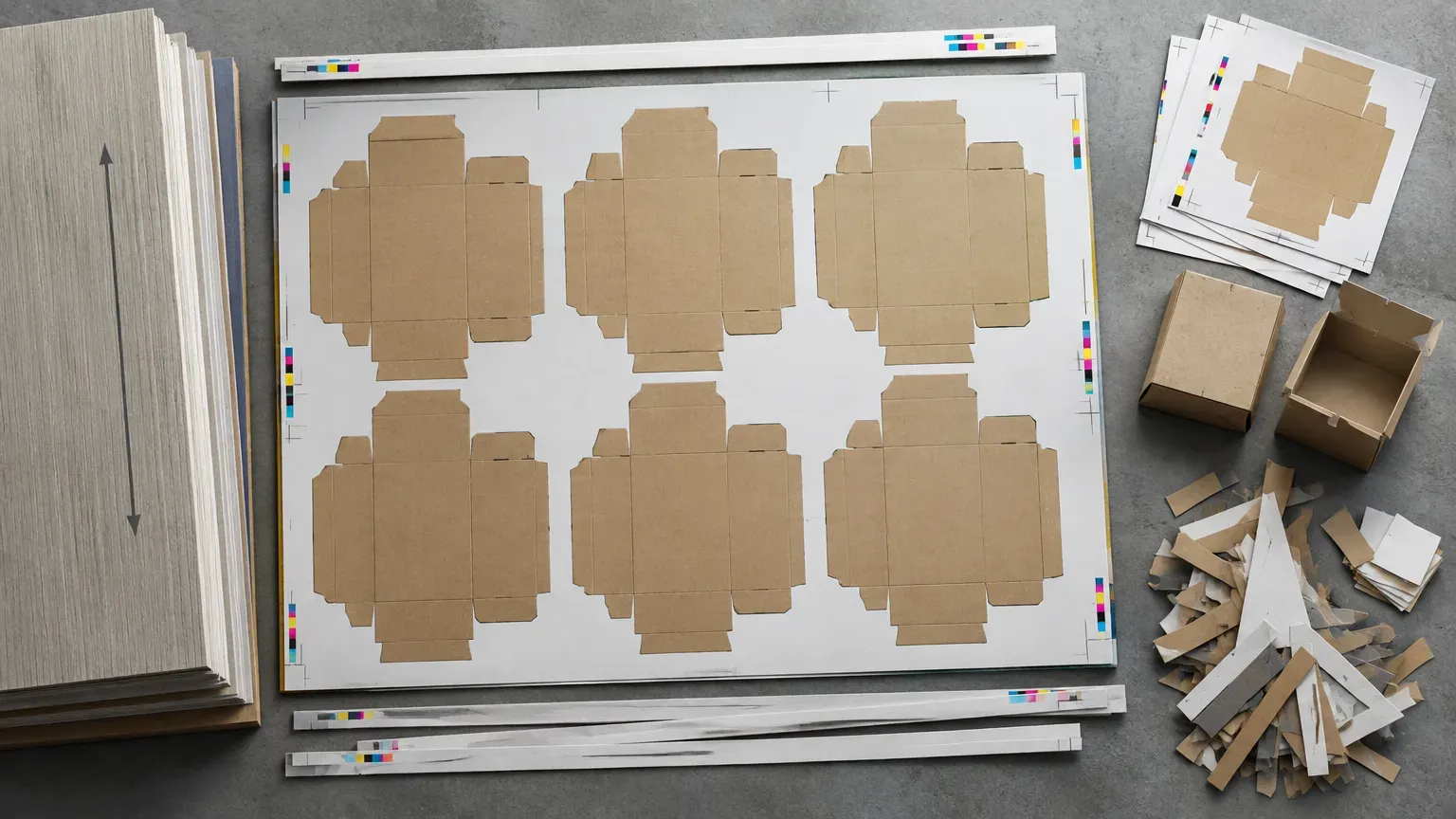
Material cost depends on more than finished quantity. Imposition, trim, grain, sheet size, makeready, spoilage, minimum purchases and finishing waste determine the real material requirement.

Jupiter
The Specification Looks Complete. What Is Your Estimate Still Missing?
Printing estimates become unreliable when apparently complete specifications omit operational assumptions such as grain, imposition, finishing sequence, proofing, packing, spoilage or customer-supplied requirements.

Jupiter
The Quote Won the Job. Will the Job Still Make the Margin You Expected?
Printing and packaging profitability is decided long before the invoice. A reliable estimate connects specification, material yield, makeready, run speed, tooling, finishing, subcontracting, waste and delivery assumptions to the actual job that production will execute.

Jupiter
A Customer Complaint Arrived. Can You Reconstruct Exactly What Was Printed and Packed?
Complaint investigation is faster when the business can trace the delivered job back to artwork revision, material lots, tooling, production steps, inspection evidence and shipment records.

Jupiter
Production Already Started. Who Pays for the Customer Change?
A late customer change can create scrap, rework, new tooling, rescheduling and premium delivery cost. Printing and packaging businesses need to capture the operational consequence while the change is still commercially recoverable.

Jupiter
The Customer Said “Approved.” What Exactly Was Approved?
Customer approval is useful only when the business can identify the exact proof, specification, quantity, material and revision that the approval covers. Ambiguous approval creates avoidable disputes and rework.

Jupiter
You Already Have the Die and Plates. Are They Still the Right Tools for This Revision?
Reusable dies, plates, cylinders and tooling save time only when teams know which customer, artwork and specification revision each tool represents. Weak tooling control can reproduce an obsolete job perfectly.

Jupiter
Paperboard, Film, Ink or Adhesive Changed. Is It Still the Same Packaging Job?
Material substitutions can change printability, finishing behavior, compliance, yield and cost. Packaging teams need a controlled way to approve alternatives and update the job before production consumes them.