

Mars
The Customer Changed the Build. Did the Commercial Model Change With It?
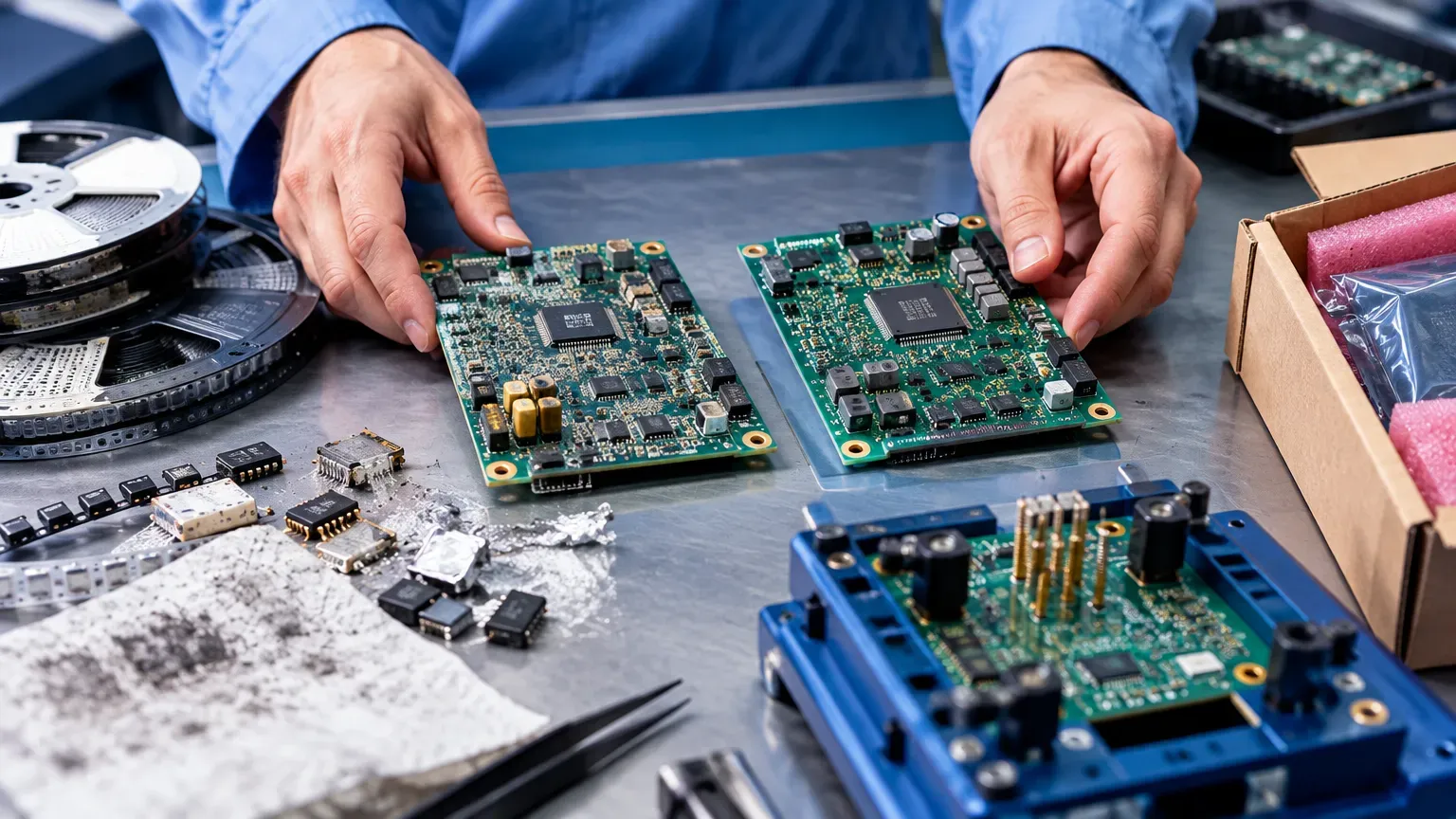
Late BOM revisions, substitute approvals, extra inspection, new packaging or changed delivery can alter EMS cost after the original quote. Change control should connect the technical revision with its material, labor, scrap and logistics consequence.

Mars
The Customer Expedite Was Approved. Who Is Paying for the Recovery?
EMS expedites can trigger premium component buys, air freight, overtime, resequencing, split shipments and subcontract premiums. The operational recovery may protect delivery while quietly eroding margin unless the incremental cost is captured.
Mars
The Unit Passed. How Much Did Test, Retest and Rework Really Cost?
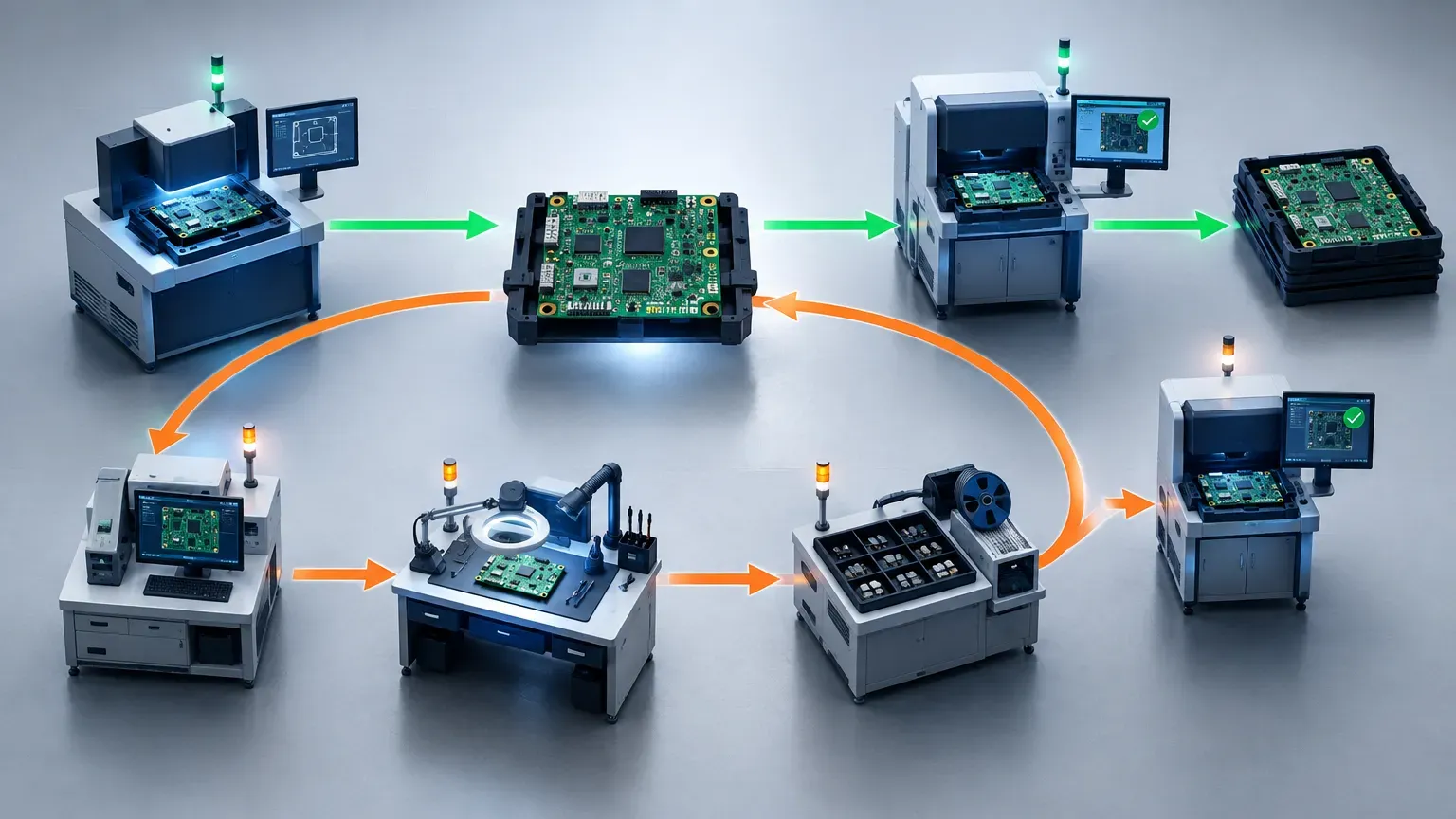
Final yield can hide expensive test loops, diagnostics, repair labor and replacement components. EMS costing should distinguish first-pass production from units that become good only after retest and rework.
Mars
The BOM Says 10,000 Components. Why Did Production Consume 10,700?
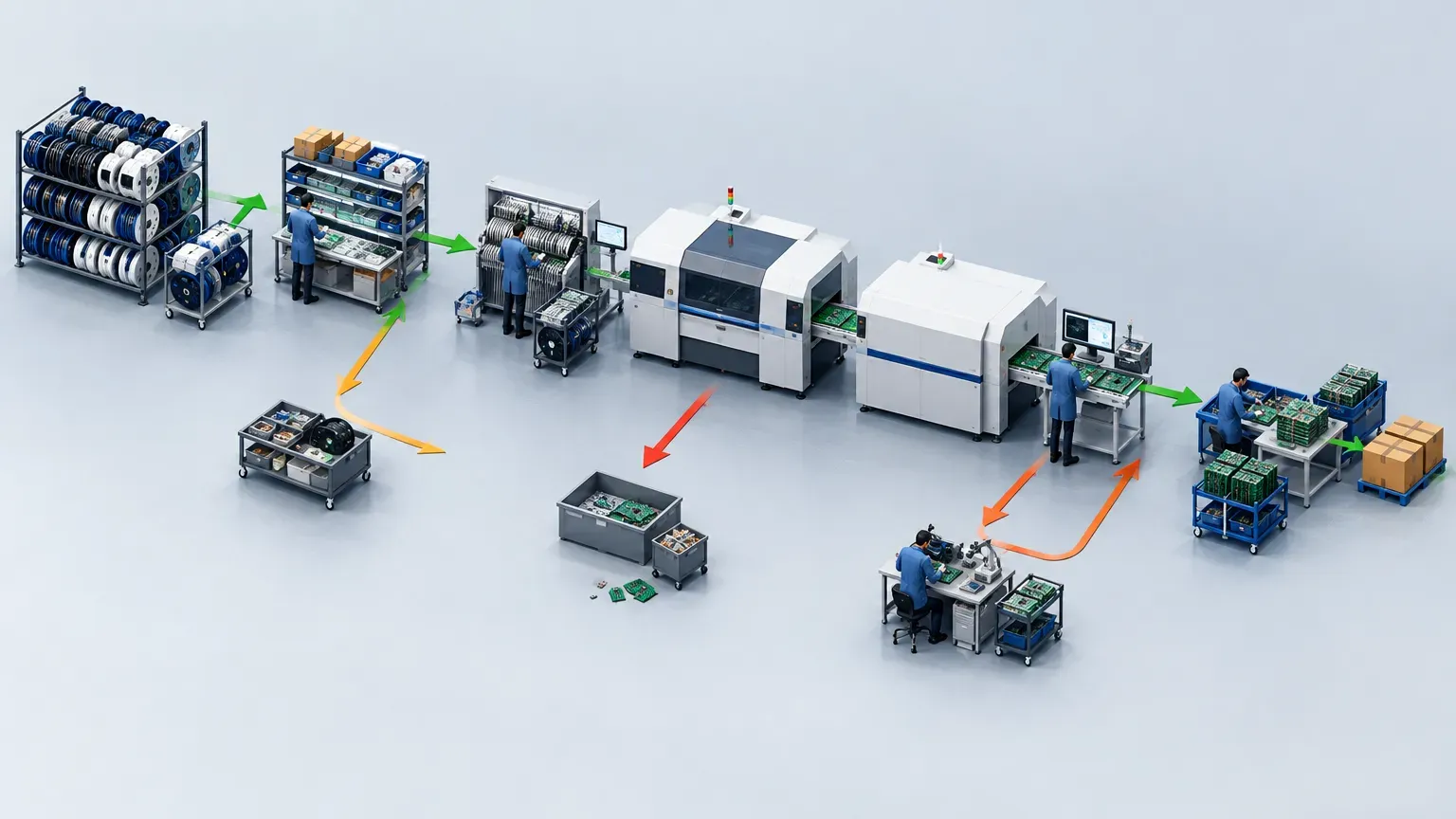
Actual electronics material usage can exceed theoretical BOM demand through attrition, setup, feeder loss, scrap, rework, substitution and transaction errors. The variance should show whether the cost belongs to normal process, abnormal execution or weak recording.
Mars
The Order Needs 8,000 Parts. Why Did You Have to Buy 20,000?
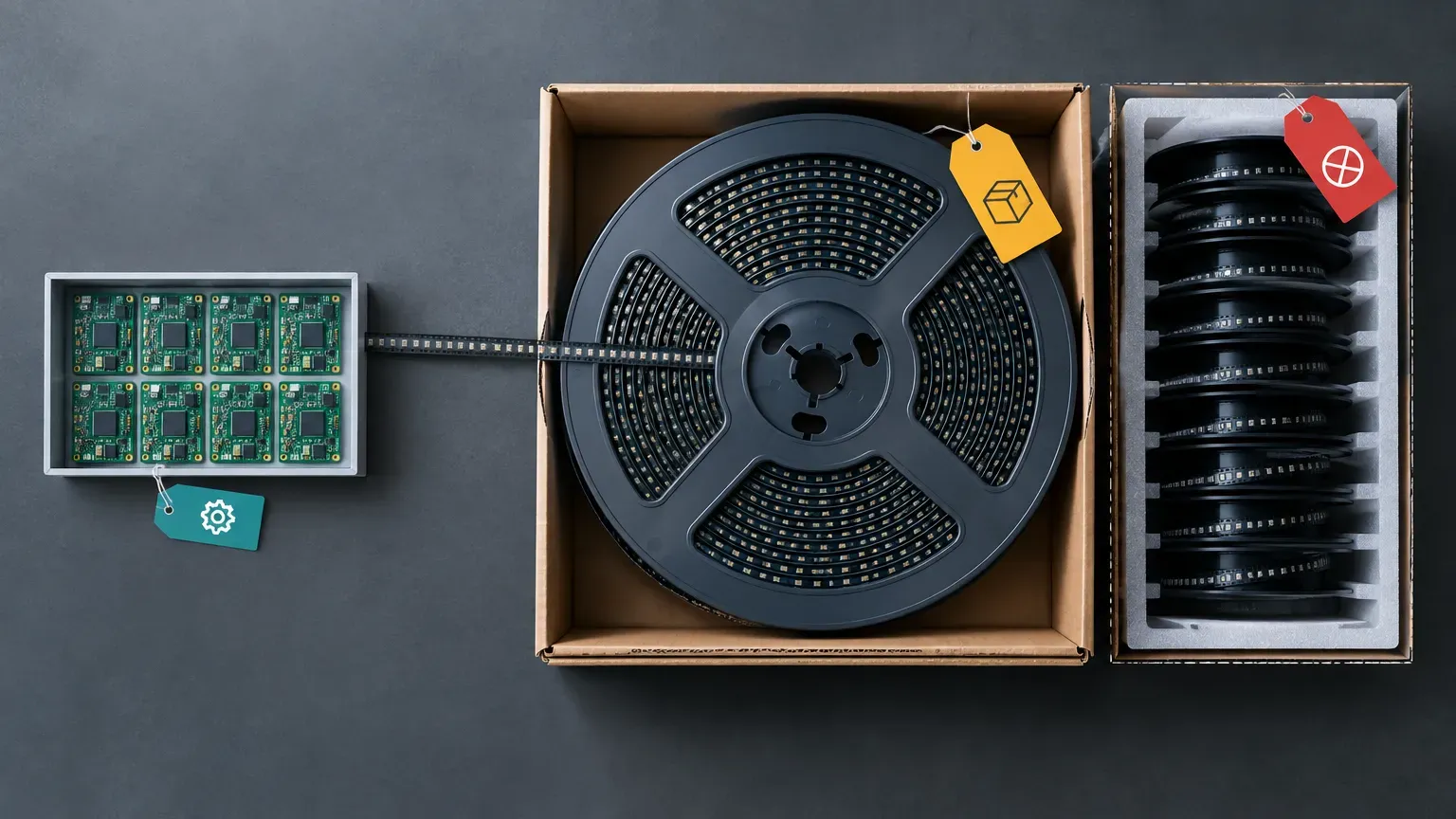
MOQ, SPQ, reel size, NCNR terms and customer-specific components can make purchased quantity far exceed immediate demand. EMS profitability depends on whether excess is reusable inventory, customer liability or future obsolescence risk.
Mars
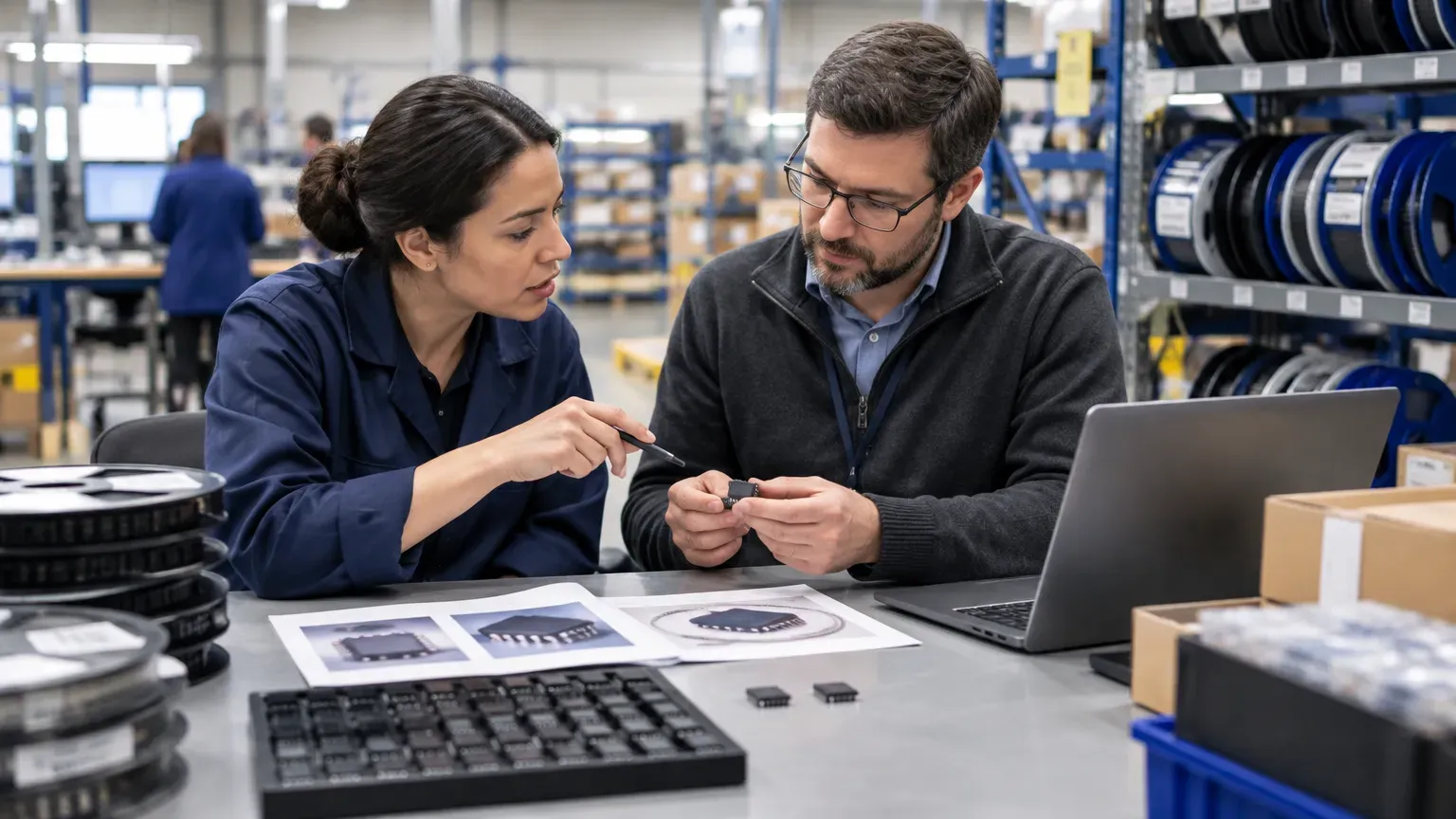
The BOM Cost Was Right at RFQ. Why Is the Actual Component Cost Higher?
EMS component cost can drift after quotation because of lead-time pressure, source restrictions, quantity breaks, currency, broker buys, alternates and supplier changes. Management needs to separate quoted cost from actual purchase-price and sourcing variance.

Mars
The EMS Quote Looked Profitable. Where Did the Margin Go?
EMS margin can erode between quotation and shipment through component price changes, MOQ and excess material, actual consumption, setup, test, rework, premium freight and customer changes. Management needs a closed loop from quoted assumptions to actual job economics.
Mars
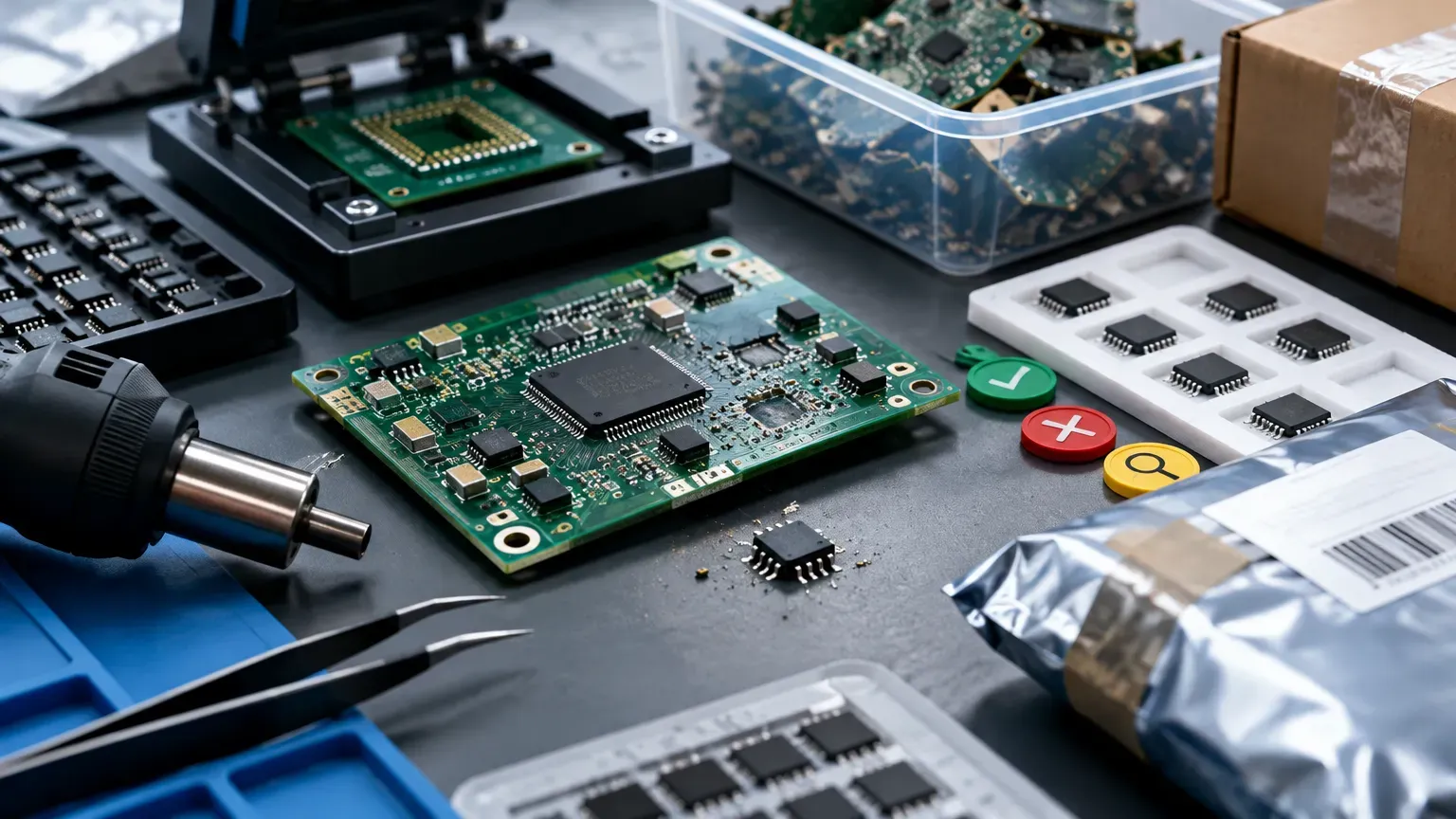
Quality Cost Is Rising. Which Failures Are Actually Driving It?
Scrap alone understates electronics quality cost. Rework, retest, premium freight, supplier recovery, inspection, customer returns and engineering time should be connected to the defects and jobs that caused them so management can prioritize the right improvements.

Mars
The Customer Returned One Unit. How Many More Could Be Affected?
An EMS RMA investigation is faster when the returned serial can be traced backward to components, lots, process and test—and forward from suspect material or process conditions to other units and shipments.

Mars
Supplier Corrective Action Closed. How Do You Know the Problem Will Not Return?
Closing a supplier corrective action should require evidence that containment worked, root cause was addressed and later lots perform differently. EMS quality teams need supplier, component, lot, defect and recurrence history connected over time.
Mars
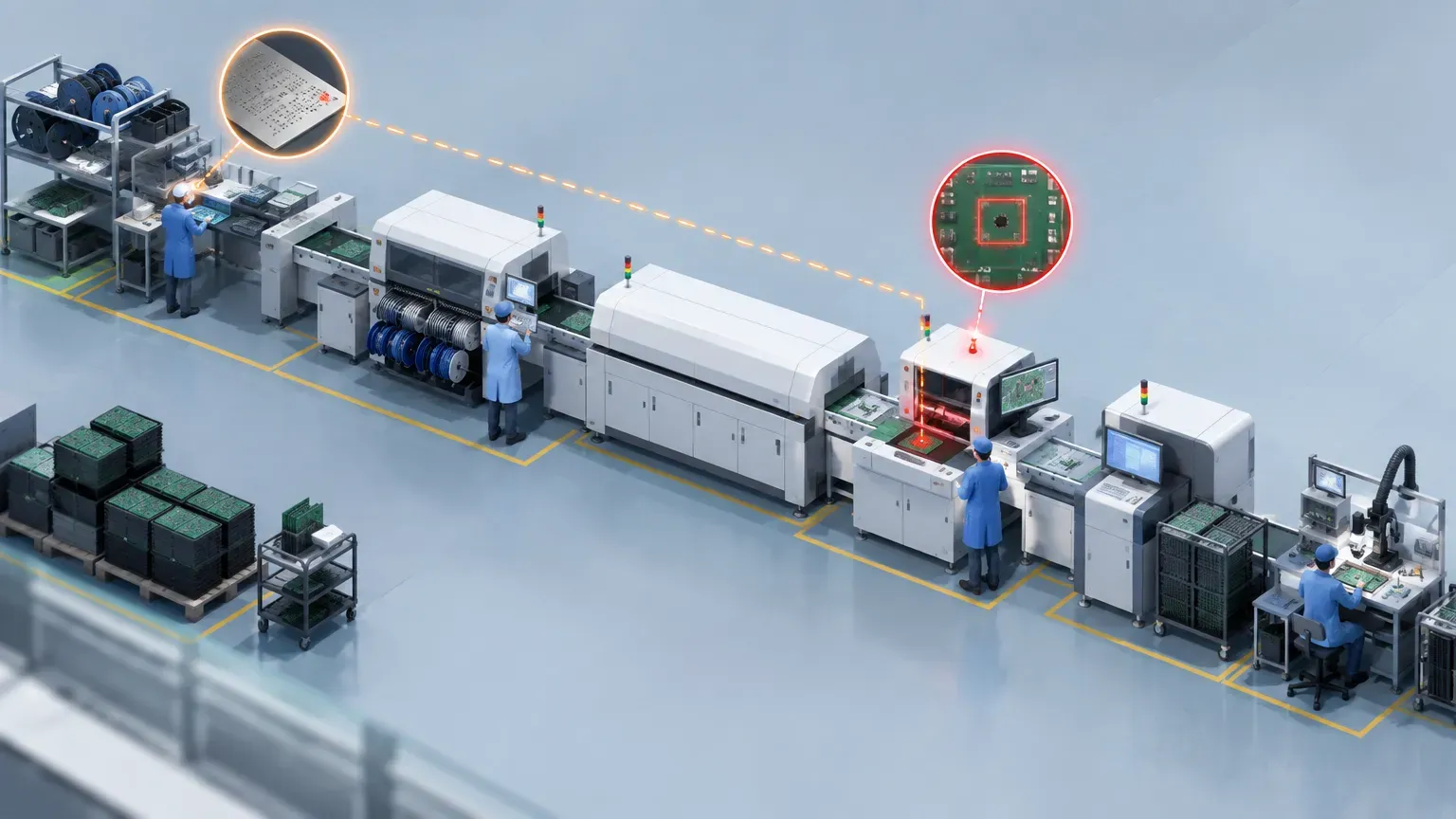
AOI Found the Defect. Where Was the Defect Actually Created?
Detection point and origin point are often different in electronics production. Quality improvement depends on connecting AOI, test and inspection findings back to the operation, material, machine, program or process condition that created the defect.
Mars
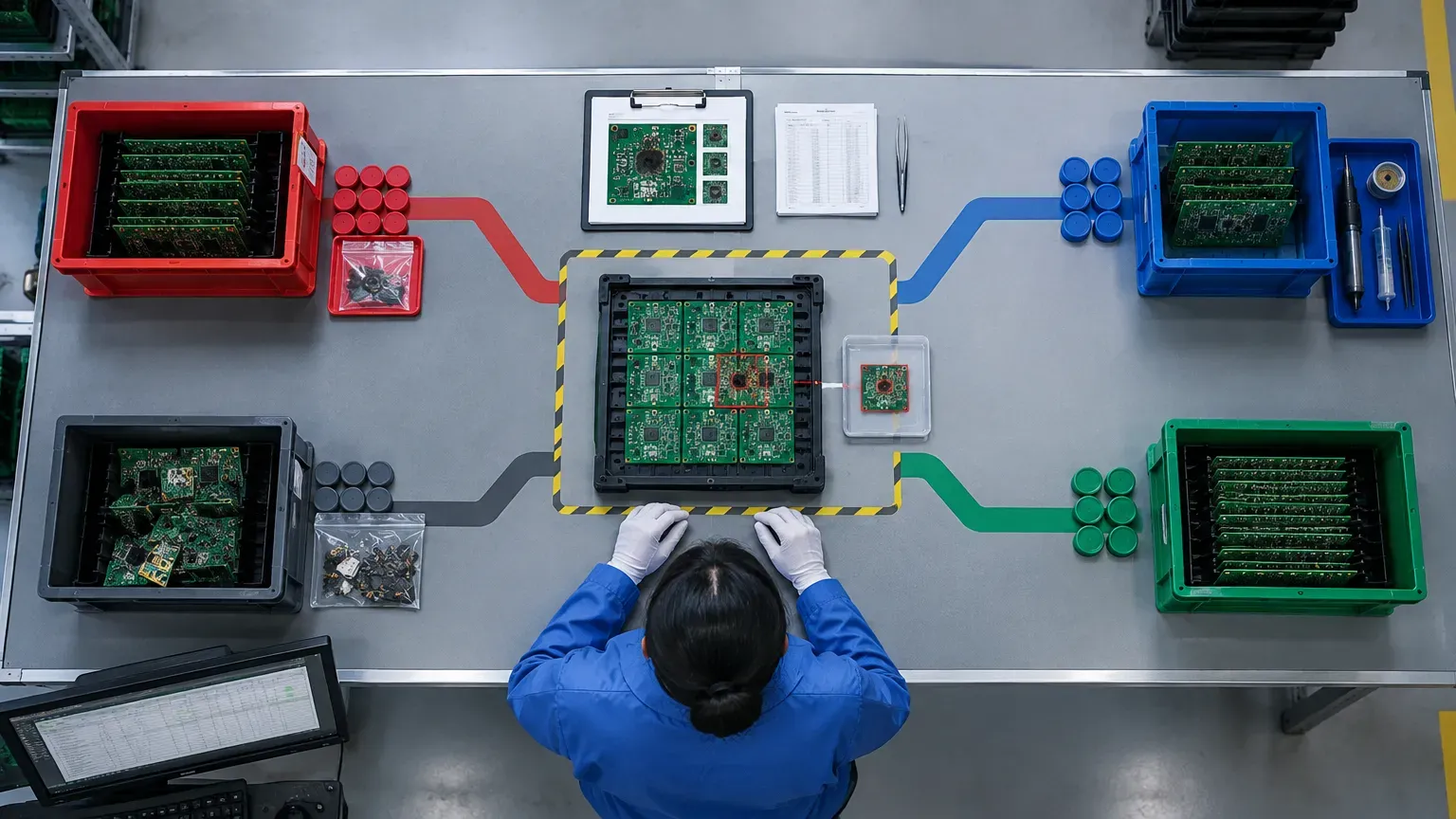
A Defect Was Found on the Line. Should Production Stop, Rework or Continue?
A shop-floor defect becomes expensive when disposition is unclear. EMS nonconformance control should connect the affected material or unit, quantity, defect, revision, work order, containment and MRB decision before production continues.