
Mars
The Customer Changed the Build. Did the Commercial Model Change With It?
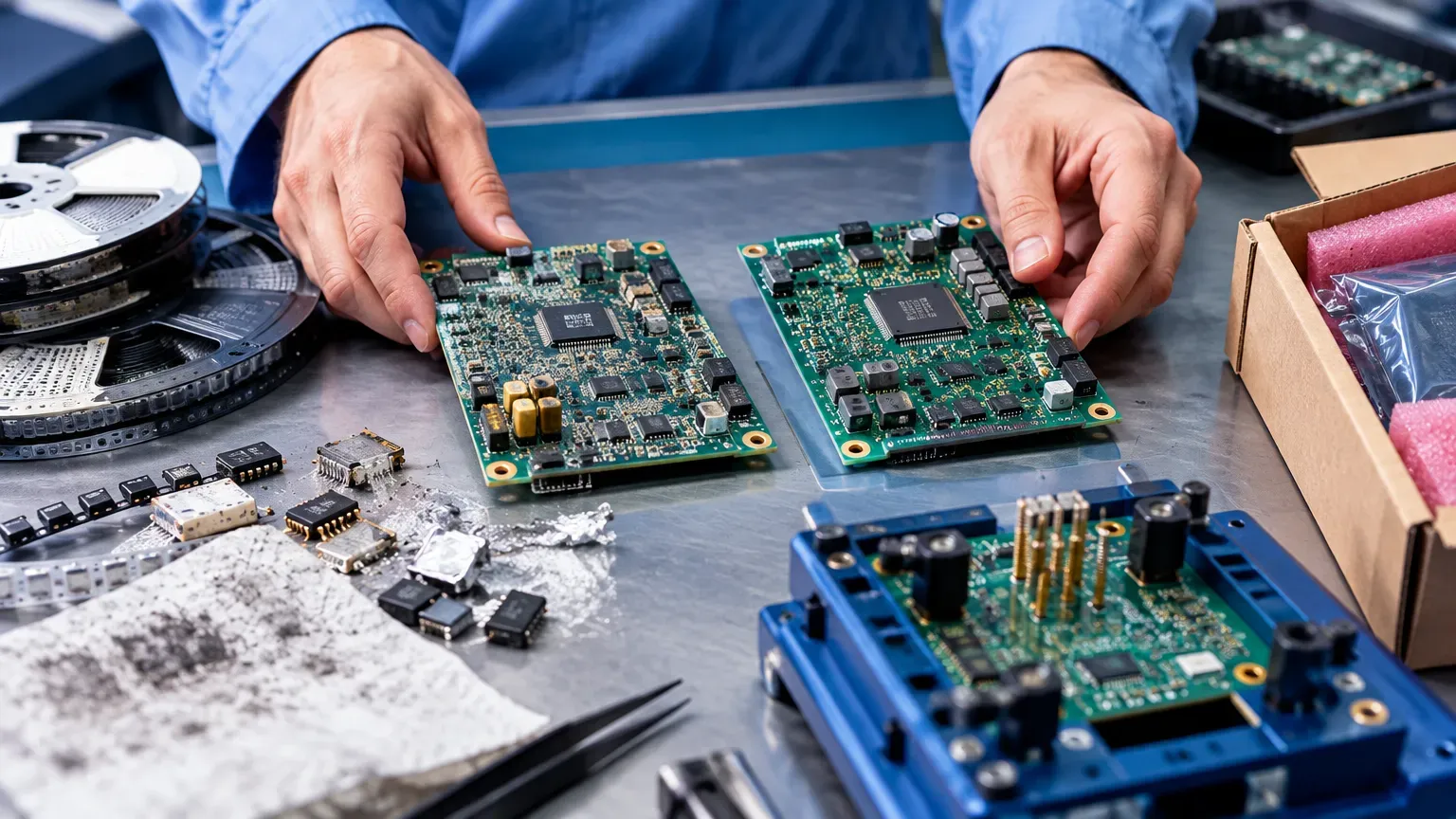
Late BOM revisions, substitute approvals, extra inspection, new packaging or changed delivery can alter EMS cost after the original quote. Change control should connect the technical revision with its material, labor, scrap and logistics consequence.

Saturn
The EOT Claim Is Being Prepared. Can the Project Prove the Delay Story?
A strong extension-of-time position depends on a coherent delay story supported by contemporaneous programme, notices, records and cause-and-effect evidence.
Epicor
Revenue Is Up. Why Is Margin Still Leaking Between Quote, Job and Shipment?
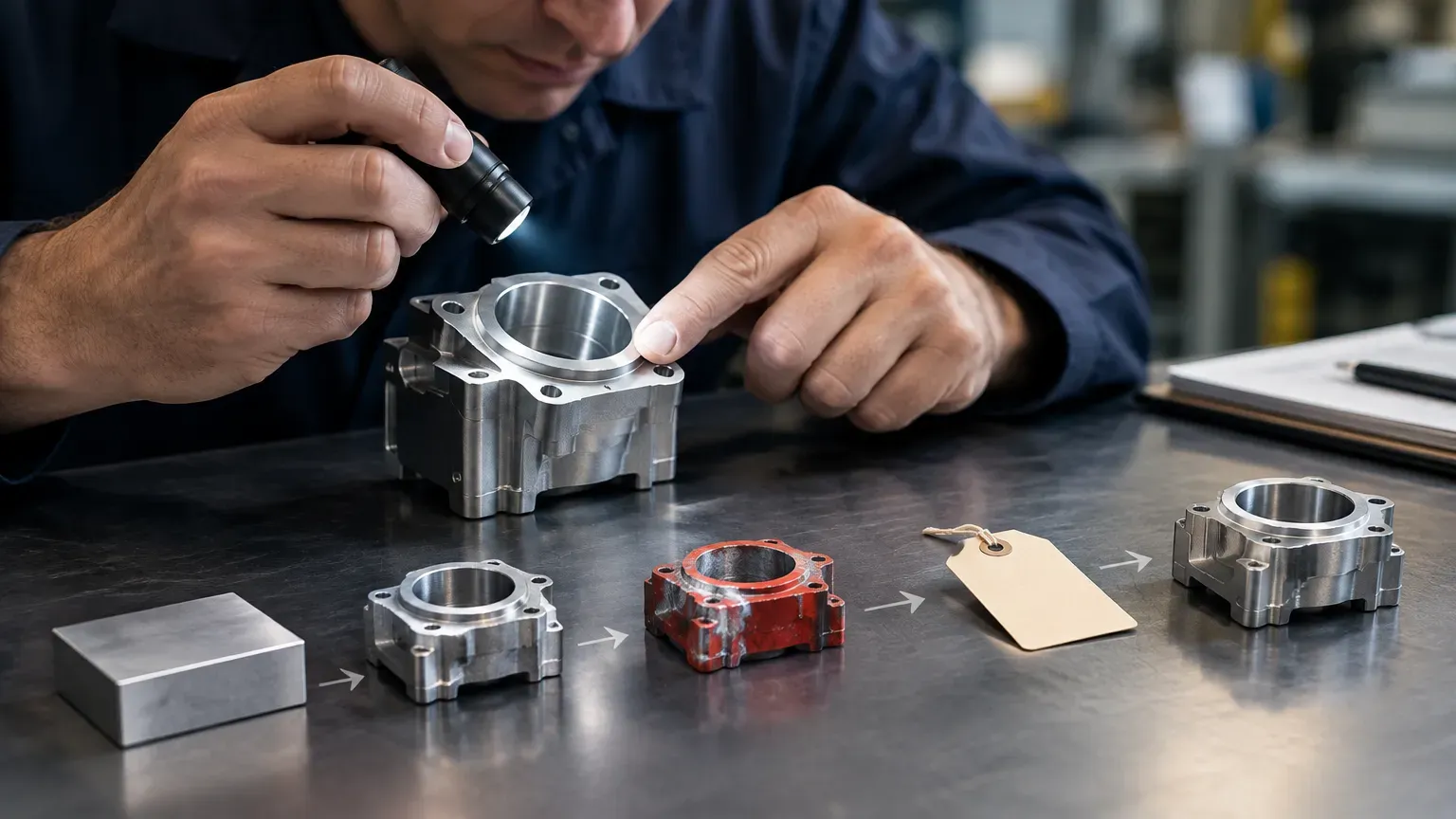
Margin can erode after the sale through material changes, overtime, expedite cost, scrap, rework, subcontract variance and unpriced scope. Epicor can help management trace where quoted economics diverge from executed reality.

Venus
The Buyer Moved the Delivery Date. Can the Entire Critical Path Move With It?
What garment teams should recalculate when a buyer changes delivery timing, from material and capacity windows to packing and shipment handoffs.

Jupiter
The Customer Says, “It’s Just a Repeat Job.” Should the Price Still Be the Same?
Repeat jobs can drift economically as material prices, quantities, run lengths, tooling condition, waste, freight and process assumptions change. Reuse the history, but revalidate the economics.

Mars
The Customer Expedite Was Approved. Who Is Paying for the Recovery?
EMS expedites can trigger premium component buys, air freight, overtime, resequencing, split shipments and subcontract premiums. The operational recovery may protect delivery while quietly eroding margin unless the incremental cost is captured.

Saturn
The Recovery Plan Adds Overtime and Crews. Is It Recovering Time—or Buying Cost?
Acceleration can protect milestones while destroying productivity or margin. A credible recovery plan must show the constraint removed, time returned and cost purchased.

Epicor
The Job Shipped. When Should Management Review the Cost Variance?
Job-cost variance is most useful while its operational cause can still be understood. Epicor users should review material, labour, burden, subcontract and quantity variances close enough to execution to act on them.

Venus
The Factory Says It Has Capacity. Is That Capacity Really Available?
How to separate nominal hours from truly usable capacity after materials, skills, maintenance, approvals and downstream constraints are considered.

Jupiter
Actual Cost Is Higher Than Estimate. Which Assumption Was Wrong?
Estimate-versus-actual review is valuable only when the variance can be traced to material, time, waste, rate, routing, scope or execution. The goal is to improve the next estimate, not simply explain the last job.
Mars
The Unit Passed. How Much Did Test, Retest and Rework Really Cost?
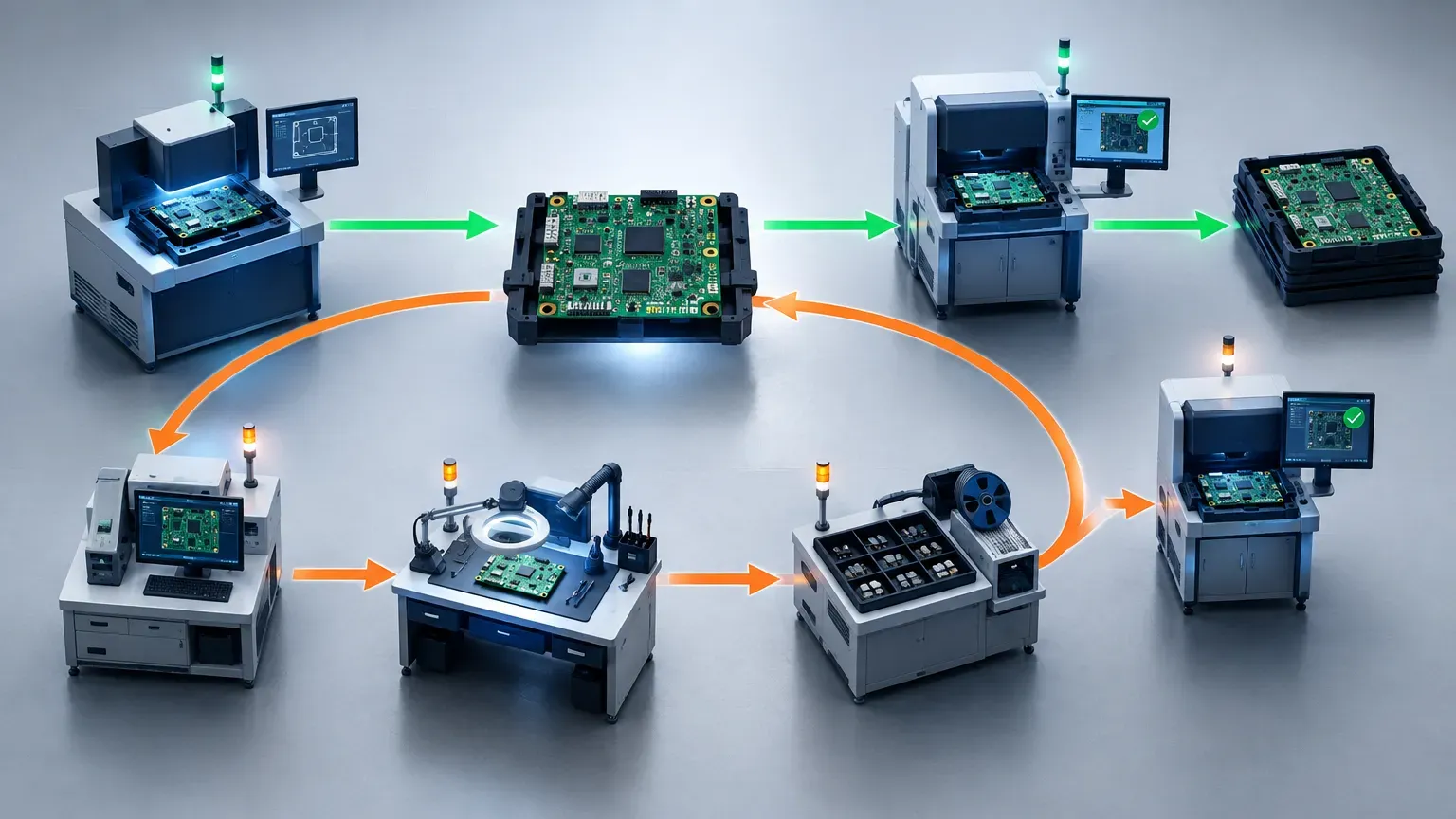
Final yield can hide expensive test loops, diagnostics, repair labor and replacement components. EMS costing should distinguish first-pass production from units that become good only after retest and rework.

Saturn
The Delay Happened Weeks Ago. When Did It Start Affecting Completion?
A delay event does not automatically equal project delay. The real question is when it began affecting critical path, float, downstream sequence or completion.
Epicor
Production Is Busy. Why Does the Epicor Schedule Keep Changing Every Day?
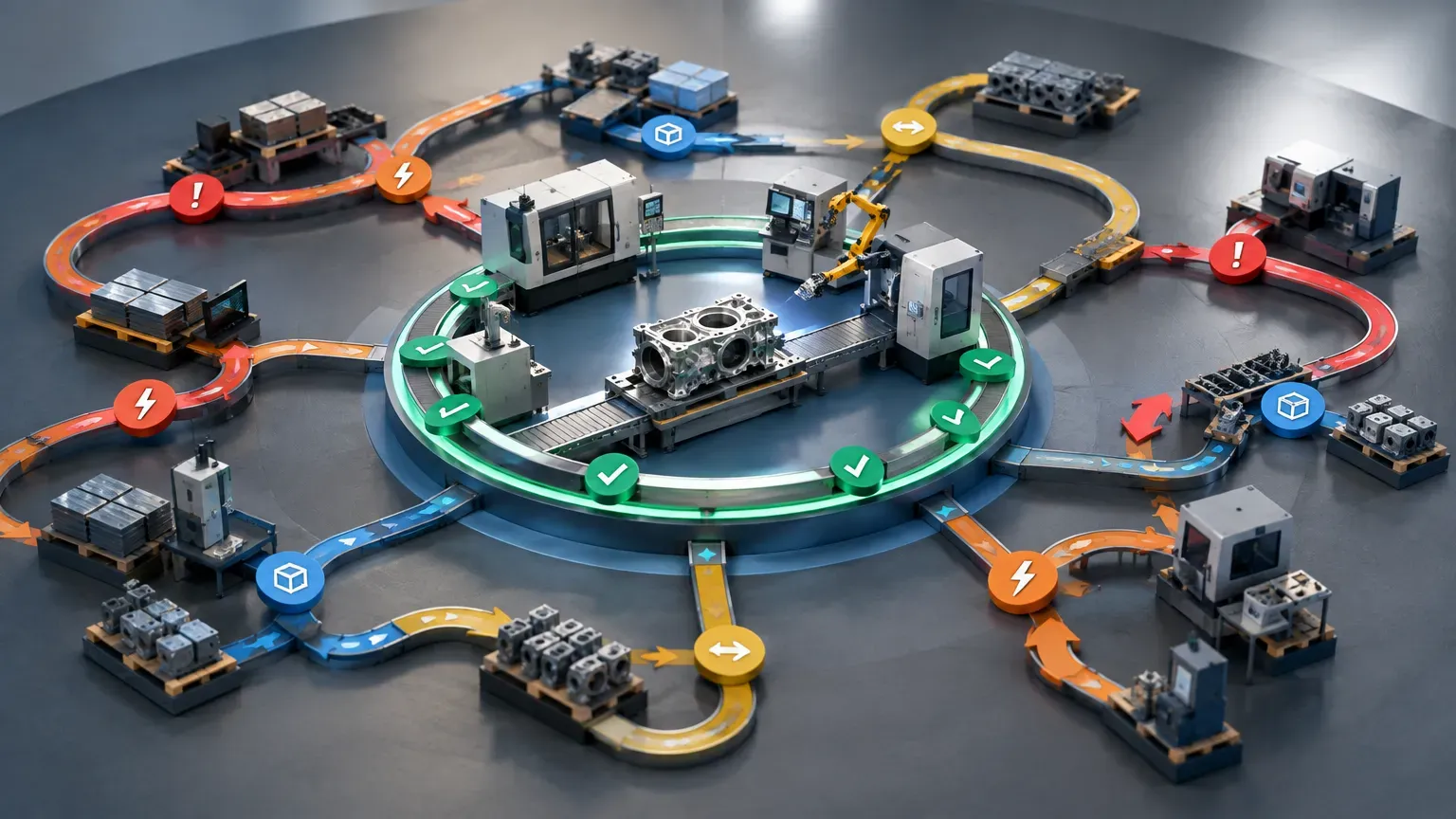
Frequent rescheduling is often a symptom of weak assumptions, unstable priorities, shortages and unplanned exceptions. Schedule stability improves when management controls what is allowed to change and why.

Venus
One Line Can Make Three Styles. Which Mix Protects More Delivery Commitments?
Why line capacity must account for style mix, learning curve, changeover and WIP—not only available hours or operator headcount.

Jupiter
The Press Rate Looks Profitable. What Happens When Finishing and Outsourcing Are Added?
Press economics can look healthy while lamination, foil, die-cutting, gluing, handwork or subcontracting erode margin. Estimates need the whole production route, not the press alone.
Mars
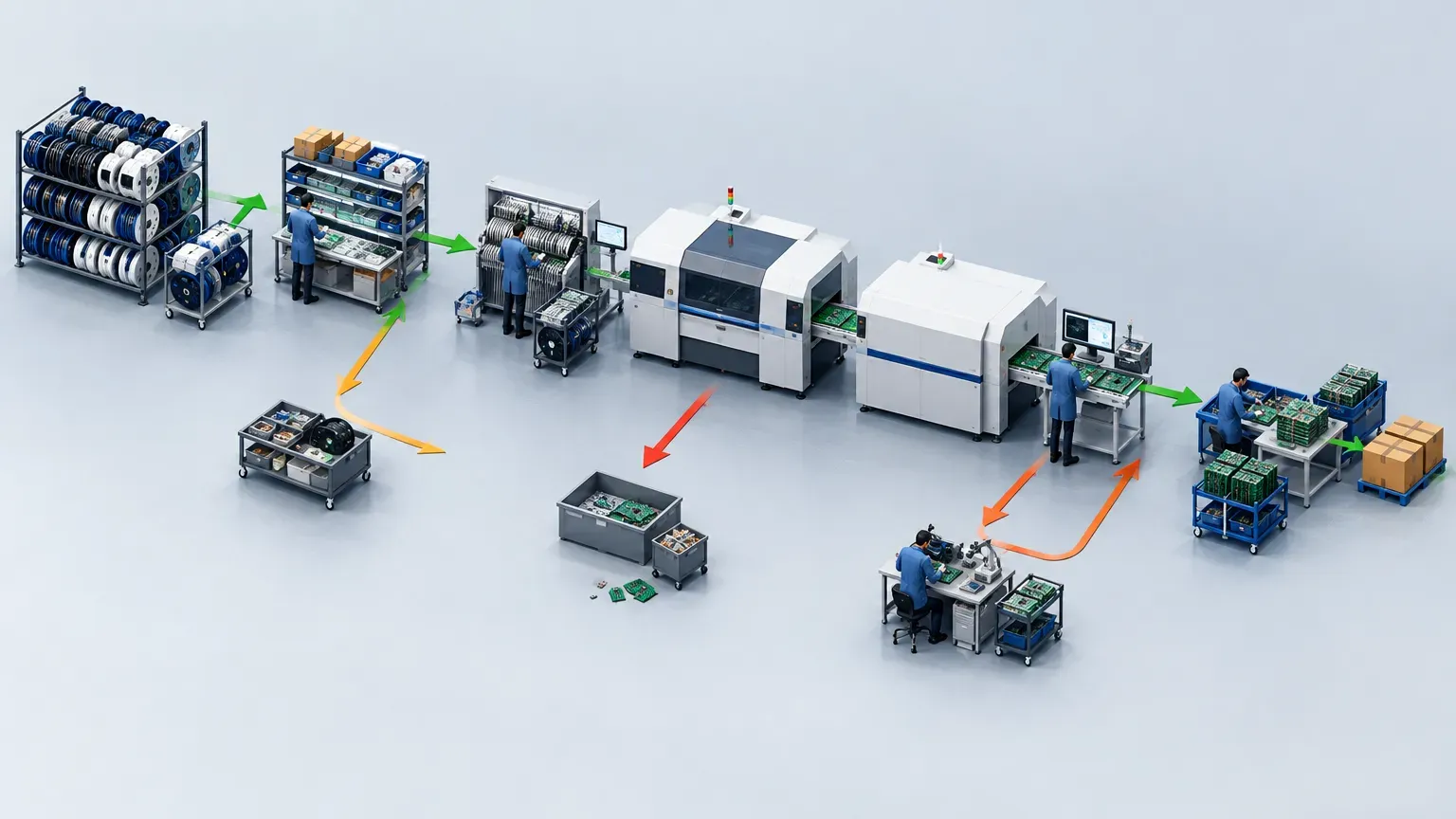
The BOM Says 10,000 Components. Why Did Production Consume 10,700?
Actual electronics material usage can exceed theoretical BOM demand through attrition, setup, feeder loss, scrap, rework, substitution and transaction errors. The variance should show whether the cost belongs to normal process, abnormal execution or weak recording.

Saturn
Progress Says 70%. Is the Remaining 30% the Hardest Part?
Percentage complete can create false confidence when the remaining scope contains more interfaces, testing, commissioning, approvals and specialist dependencies.
Epicor
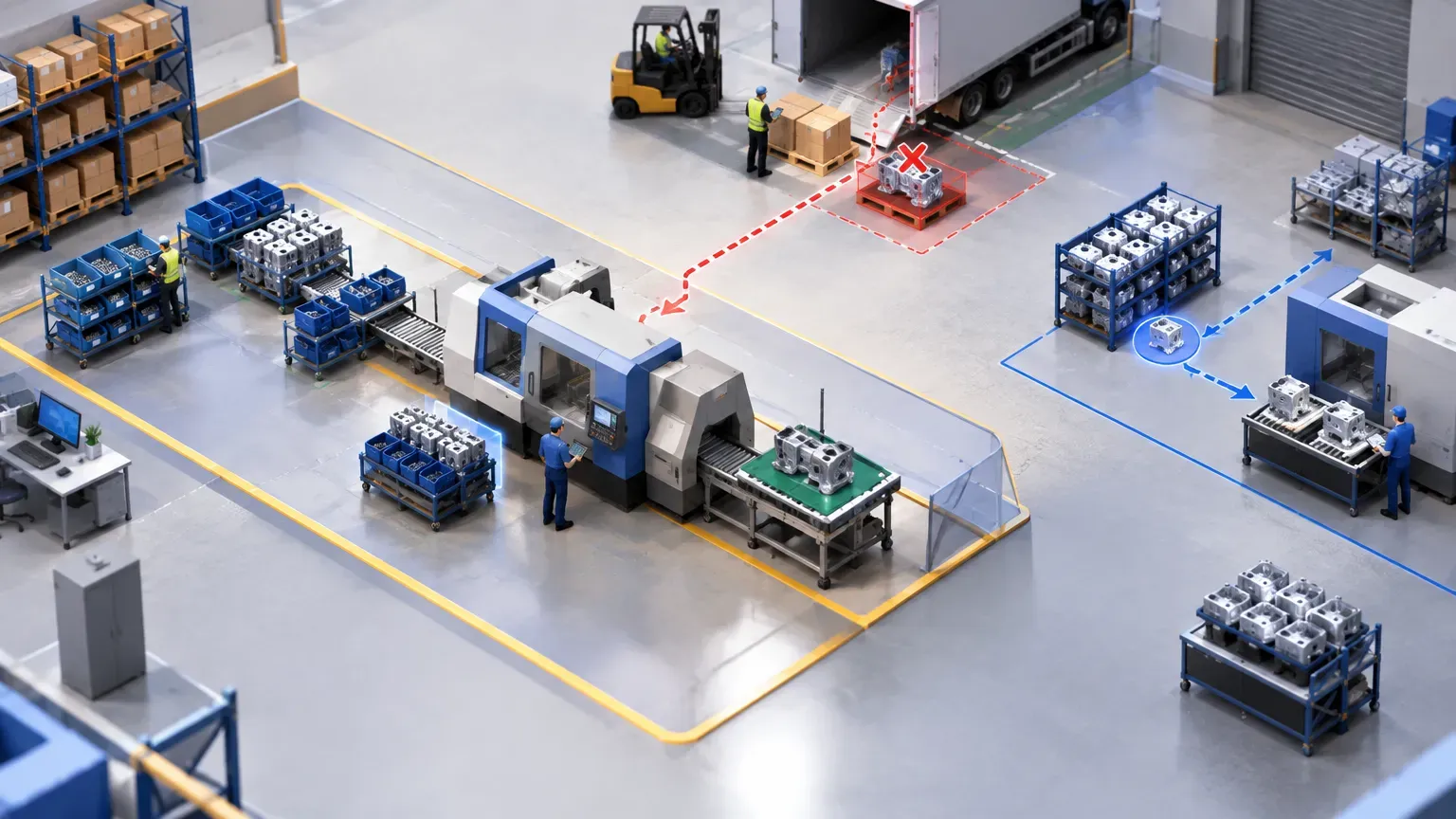
The Job Is Released. Why Is Production Still Waiting for Material?
Released work is not production-ready when critical material is late, unallocated, in the wrong location or consumed by competing demand. Epicor should help management distinguish released jobs from truly executable jobs.

Venus
Peak Season Is Coming. Which Garment Orders Should Enter the Factory First?
Peak-season priority becomes credible when readiness, delivery exposure, changeover impact and remaining recovery time are considered together instead of letting the latest urgent request control the factory.

Jupiter
Makeready Was Budgeted Once. Why Did the Job Need It Three Times?
Makeready cost grows when jobs are split, resequenced, repeated across processes or restarted after interruptions. Estimating should reflect the setup events the actual production route is likely to require.
Mars
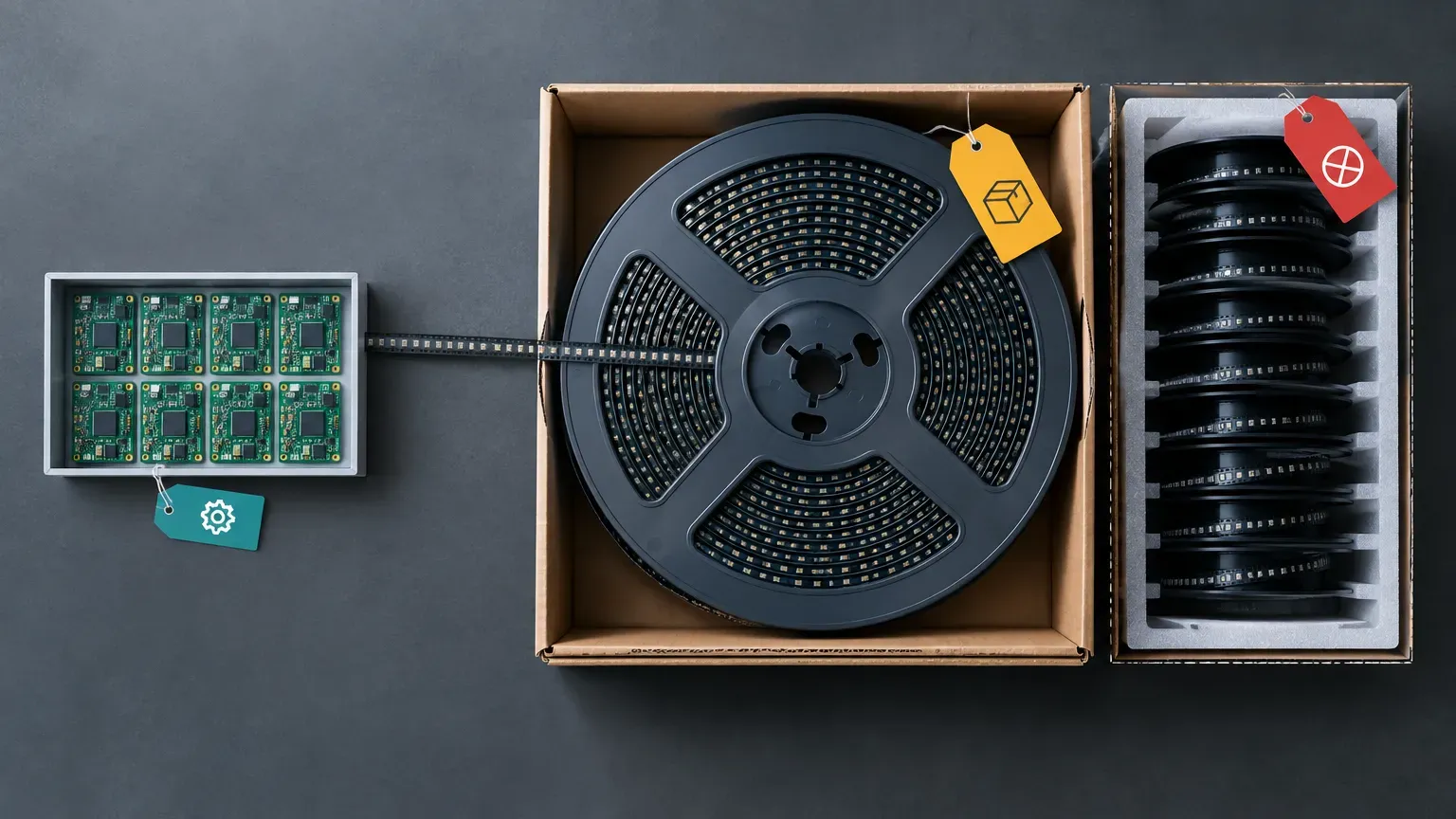
The Order Needs 8,000 Parts. Why Did You Have to Buy 20,000?
MOQ, SPQ, reel size, NCNR terms and customer-specific components can make purchased quantity far exceed immediate demand. EMS profitability depends on whether excess is reusable inventory, customer liability or future obsolescence risk.

Saturn
The Float Has Disappeared. Who Actually Used It?
Float is invisible schedule flexibility that can be consumed by design, procurement, access and execution before completion visibly moves.
Epicor
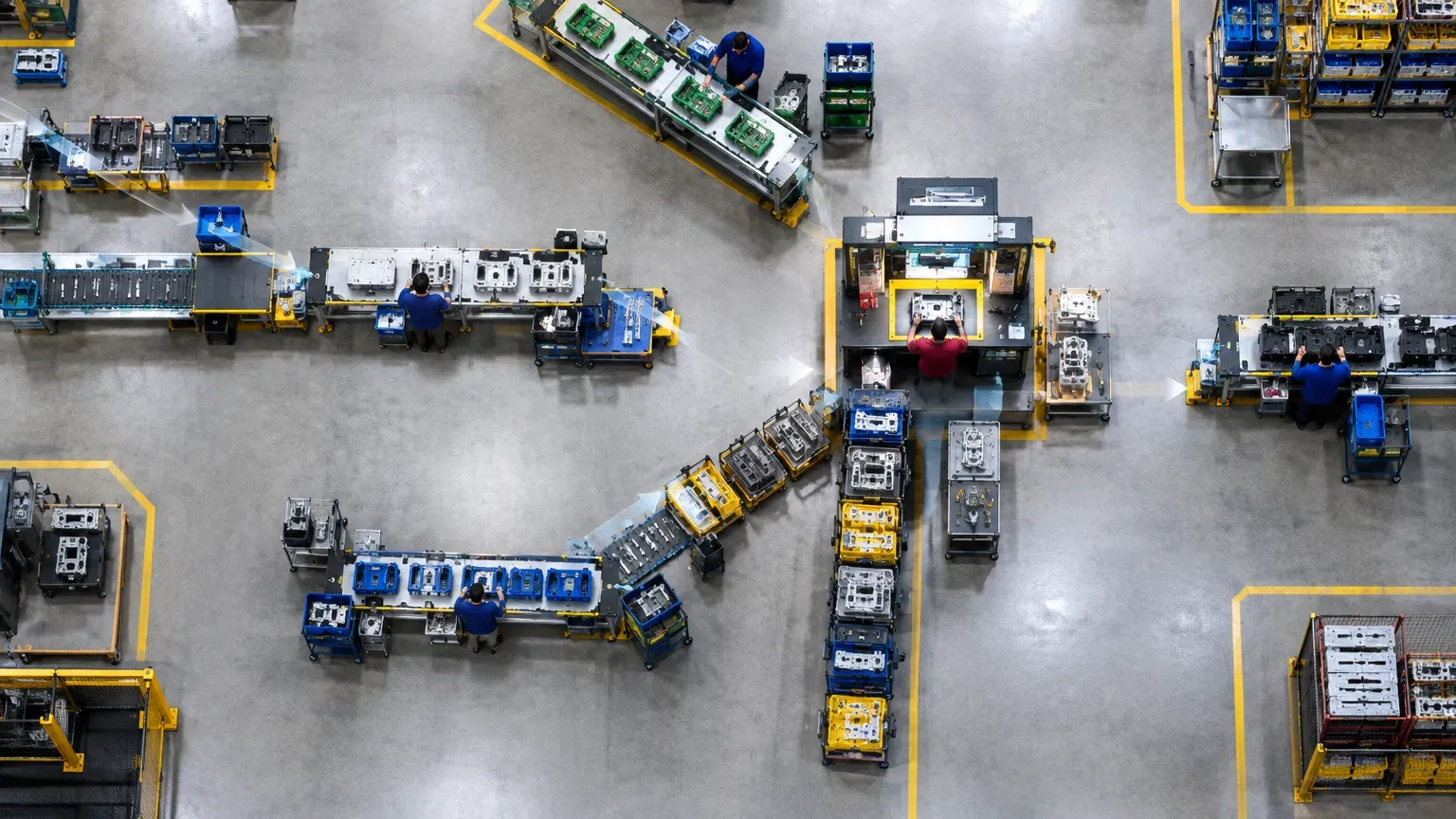
Your Schedule Looks Full. Which Epicor Jobs Are Consuming the Capacity That Matters?
A full schedule does not explain where delivery risk actually sits. Management needs to see which constrained resources, queues, changeovers and overloaded operations are driving job completion risk.

Venus
The Lead Time Fits the Calendar. Why Does Material Readiness Still Miss the Line?
How garment teams can plan backward from first-use operations so fabric and trims become usable before the line needs them.

Jupiter
How Much Paper or Board Will the Job Really Consume?
Material cost depends on more than finished quantity. Imposition, trim, grain, sheet size, makeready, spoilage, minimum purchases and finishing waste determine the real material requirement.
Mars
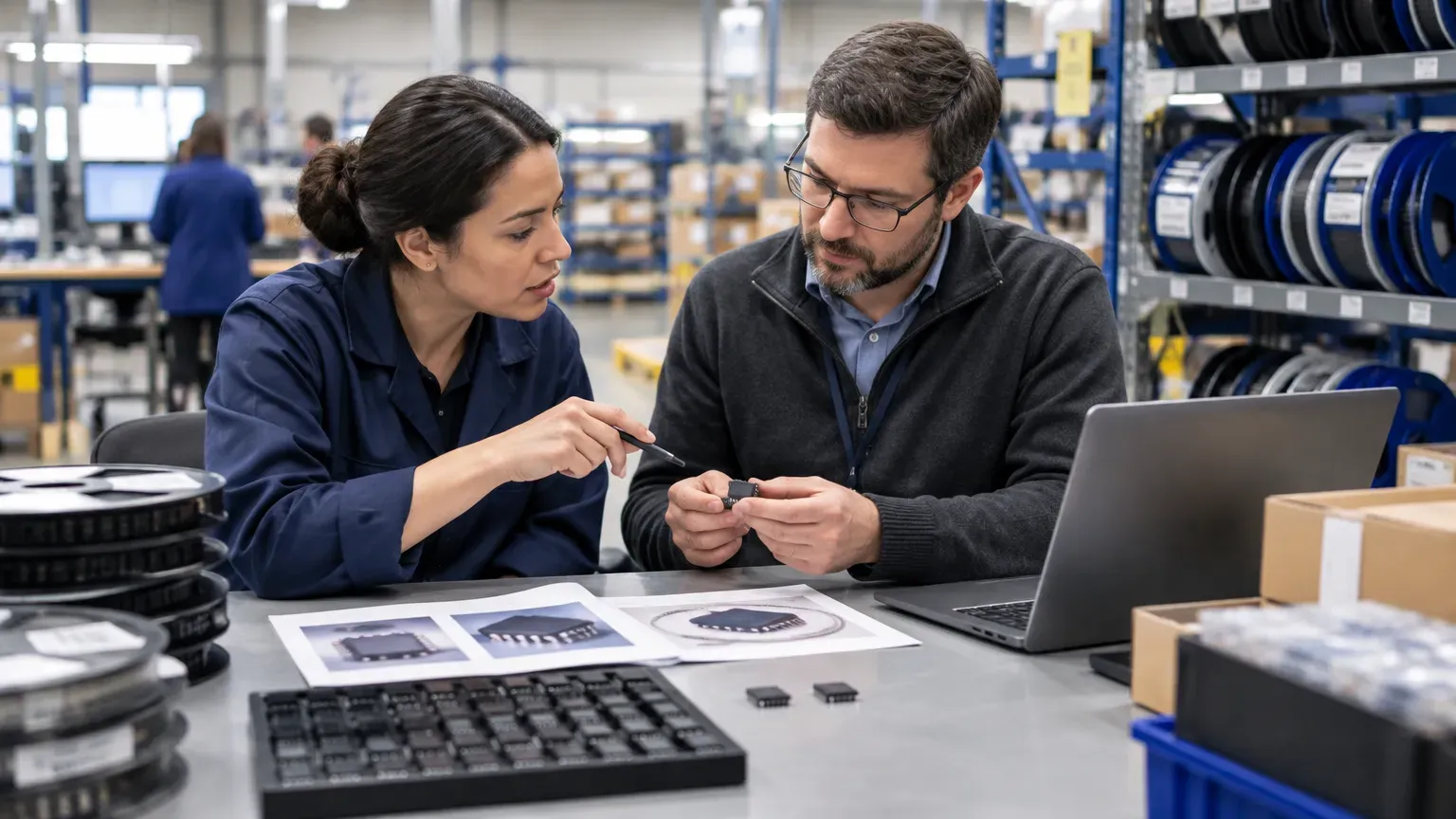
The BOM Cost Was Right at RFQ. Why Is the Actual Component Cost Higher?
EMS component cost can drift after quotation because of lead-time pressure, source restrictions, quantity breaks, currency, broker buys, alternates and supplier changes. Management needs to separate quoted cost from actual purchase-price and sourcing variance.

Saturn
The Critical Path Moved. Did Anyone Notice?
The critical path changes as actual progress, logic, procurement, approvals and interfaces change. Management attention needs to follow the live path to completion.

Epicor
Sales Promised the Date. Can Epicor Show Whether Operations Can Actually Deliver It?
A customer promise is reliable only when demand, material, capacity, lead time and current execution are considered together. Epicor order promise should become an operational commitment, not a sales-only date.

Venus
The Order Is Confirmed. Did Anyone Reserve the Capacity It Actually Needs?
Why confirmed garment orders can still compete for the same factory hours, and how explicit capacity reservation reduces late surprises.

Jupiter
The Specification Looks Complete. What Is Your Estimate Still Missing?
Printing estimates become unreliable when apparently complete specifications omit operational assumptions such as grain, imposition, finishing sequence, proofing, packing, spoilage or customer-supplied requirements.

Mars
The EMS Quote Looked Profitable. Where Did the Margin Go?
EMS margin can erode between quotation and shipment through component price changes, MOQ and excess material, actual consumption, setup, test, rework, premium freight and customer changes. Management needs a closed loop from quoted assumptions to actual job economics.

Saturn
The Programme Still Shows the Finish Date. Do You Still Believe It?
Construction programme can retain the contractual finish date long after the assumptions behind it weaken. Critical path, float, remaining-work difficulty and recovery need to support the forecast.

Epicor
Epicor Has the Orders. Can Management See Which Ones Will Actually Make Money?
Revenue, schedule and shipment data are not enough to manage profitable manufacturing. Epicor users need a connected plan-to-profit view linking order promise, capacity, material, execution, job cost and margin before problems become month-end surprises.

Venus
From Buyer Calendar to Factory Capacity: How Do Garment Manufacturers Protect the Season Before It Becomes Urgent?
Buyer delivery calendars become executable only when capacity, materials, style mix, priority and shipment windows are connected early enough to protect the season before urgency takes over.

Jupiter
The Quote Won the Job. Will the Job Still Make the Margin You Expected?
Printing and packaging profitability is decided long before the invoice. A reliable estimate connects specification, material yield, makeready, run speed, tooling, finishing, subcontracting, waste and delivery assumptions to the actual job that production will execute.
Mars
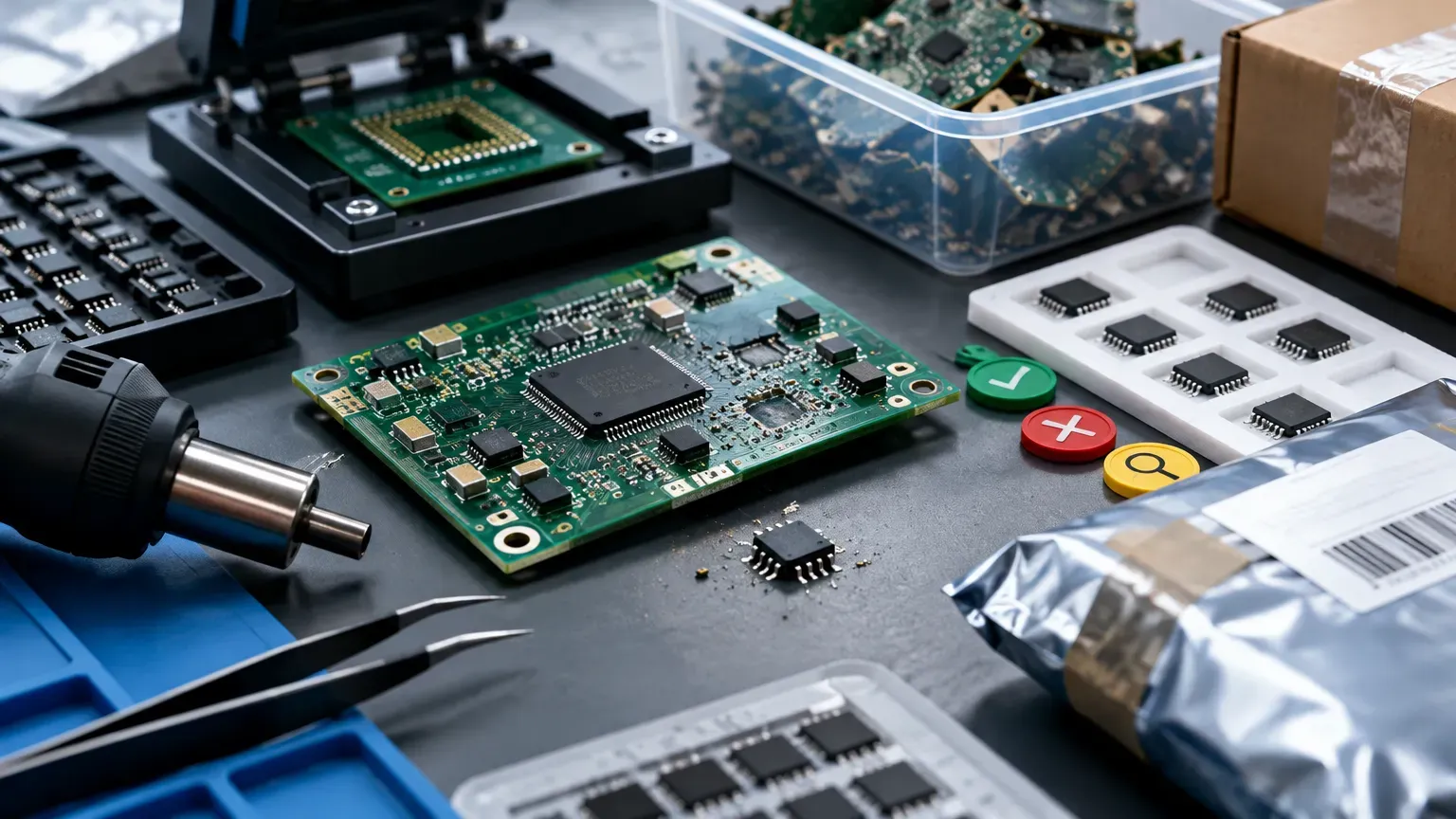
Quality Cost Is Rising. Which Failures Are Actually Driving It?
Scrap alone understates electronics quality cost. Rework, retest, premium freight, supplier recovery, inspection, customer returns and engineering time should be connected to the defects and jobs that caused them so management can prioritize the right improvements.

Saturn
The Client Wants Handover. Can the Project Prove What Was Actually Built?
Handover depends on more than physical completion. As-builts, O&M information, test records, warranties, approvals and defect status must match the installed asset closely enough for the client to accept and operate it.

Epicor
A Small Epicor Change Went Live. How Do You Know It Did Not Weaken a Control Somewhere Else?
Small configuration, BPM, report and workflow changes can alter business controls unexpectedly. Epicor change control should test business impact, ownership, rollback and post-change evidence—not only whether the change technically works.

Venus
Want AI in Garment Operations? Is Your ERP Data Ready to Support It?
AI can help garment operations only when the underlying ERP and MES data is timely, consistent and connected. Poor master data and delayed shopfloor records simply make automated recommendations less trustworthy.

Jupiter
A Customer Complaint Arrived. Can You Reconstruct Exactly What Was Printed and Packed?
Complaint investigation is faster when the business can trace the delivered job back to artwork revision, material lots, tooling, production steps, inspection evidence and shipment records.

Mars
The Customer Returned One Unit. How Many More Could Be Affected?
An EMS RMA investigation is faster when the returned serial can be traced backward to components, lots, process and test—and forward from suspect material or process conditions to other units and shipments.

Saturn
Installation Is Complete. Why Is Commissioning Still Not Ready?
Commissioning often exposes incomplete dependencies hidden by installation progress: energisation, controls, interfaces, records, access, approved settings and upstream systems. Physical completion is only one prerequisite.

Epicor
Month-End Is Still Painful. Which Epicor Transactions Should Be Fixed Before Finance Reconciles Them?
A difficult close is often created upstream by late, incomplete or inconsistently timed operational transactions. Finance can reconcile the result, but management should fix the process that creates the reconciling work.

Venus
Three Factories Use the Same ERP. Are They Measuring the Same Thing?
Using one ERP across several garment factories does not guarantee comparable data. Groups need common definitions for status, efficiency, WIP, quality, capacity, calendars and master data before group reporting is trustworthy.

Jupiter
Production Already Started. Who Pays for the Customer Change?
A late customer change can create scrap, rework, new tooling, rescheduling and premium delivery cost. Printing and packaging businesses need to capture the operational consequence while the change is still commercially recoverable.

Mars
Supplier Corrective Action Closed. How Do You Know the Problem Will Not Return?
Closing a supplier corrective action should require evidence that containment worked, root cause was addressed and later lots perform differently. EMS quality teams need supplier, component, lot, defect and recurrence history connected over time.

Saturn
The Snag List Is Growing. Is the Project Finishing—or Repeating Work?
A growing snag or punch list can mean normal closeout, or it can reveal that work is being presented for completion too early. The difference affects rework, access, labour and handover timing.

Epicor
Your Epicor Exception List Is Growing. Which Overrides Are Becoming the Real Process?
Exceptions are useful when they handle unusual cases; they become dangerous when repeated overrides quietly replace the standard process. Epicor exception governance should track frequency, cause, ownership and retirement.

Venus
Purchase Orders Are in ERP. Do Supplier Delays Become Visible Early Enough?
A purchase order in ERP proves that demand was placed, not that material risk is controlled. Garment teams need supplier commitment, movement, receipt, inspection and allocation visibility before delays reach the line.

Jupiter
The Customer Said “Approved.” What Exactly Was Approved?
Customer approval is useful only when the business can identify the exact proof, specification, quantity, material and revision that the approval covers. Ambiguous approval creates avoidable disputes and rework.
Mars
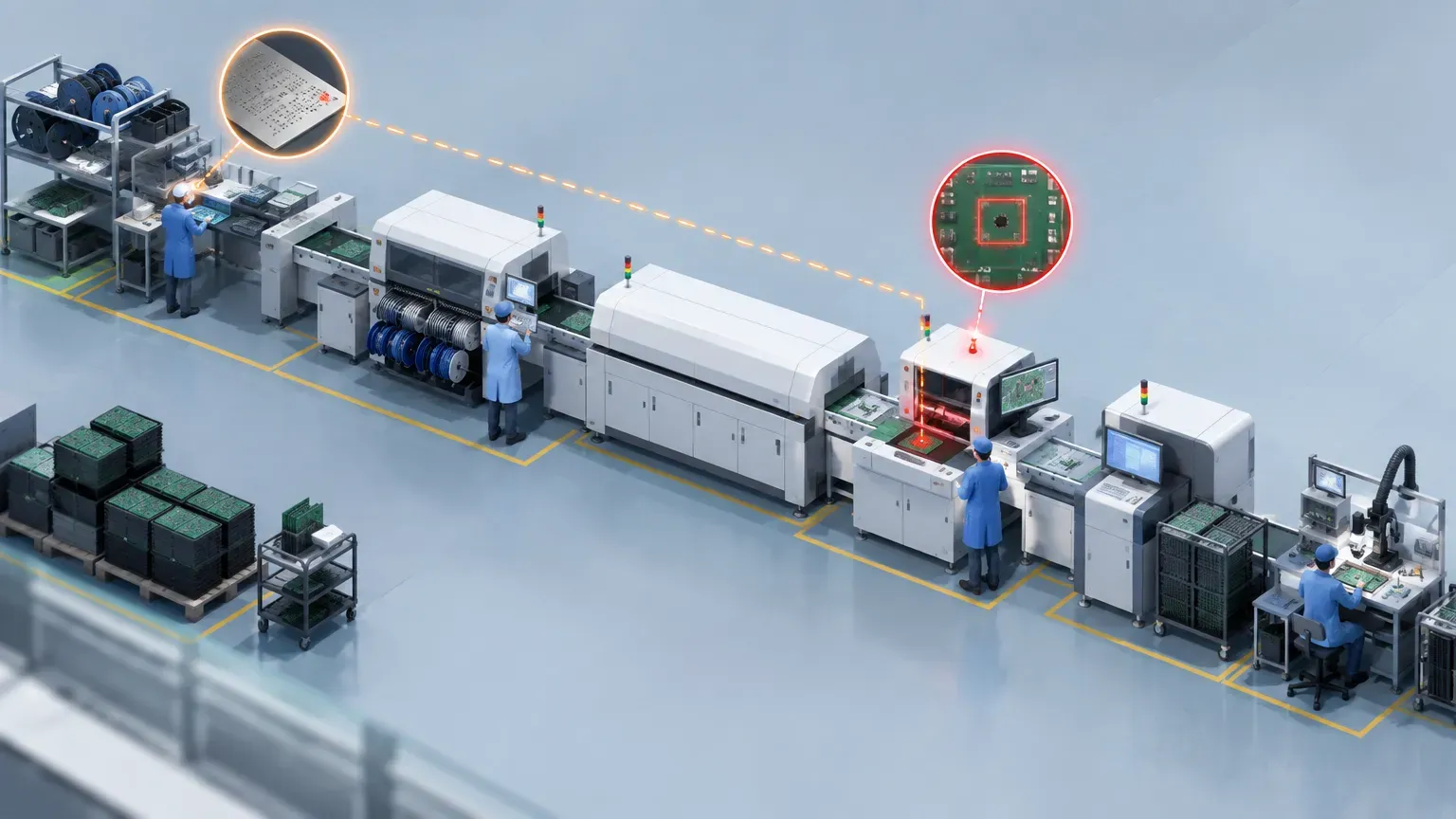
AOI Found the Defect. Where Was the Defect Actually Created?
Detection point and origin point are often different in electronics production. Quality improvement depends on connecting AOI, test and inspection findings back to the operation, material, machine, program or process condition that created the defect.

Saturn
The Quality Record Is Complete. Does It Prove the Right Work Was Done?
Quality records only protect the project when they are tied to the correct location, material, test, revision and installed condition. Complete paperwork without traceability can still fail at handover.
Epicor
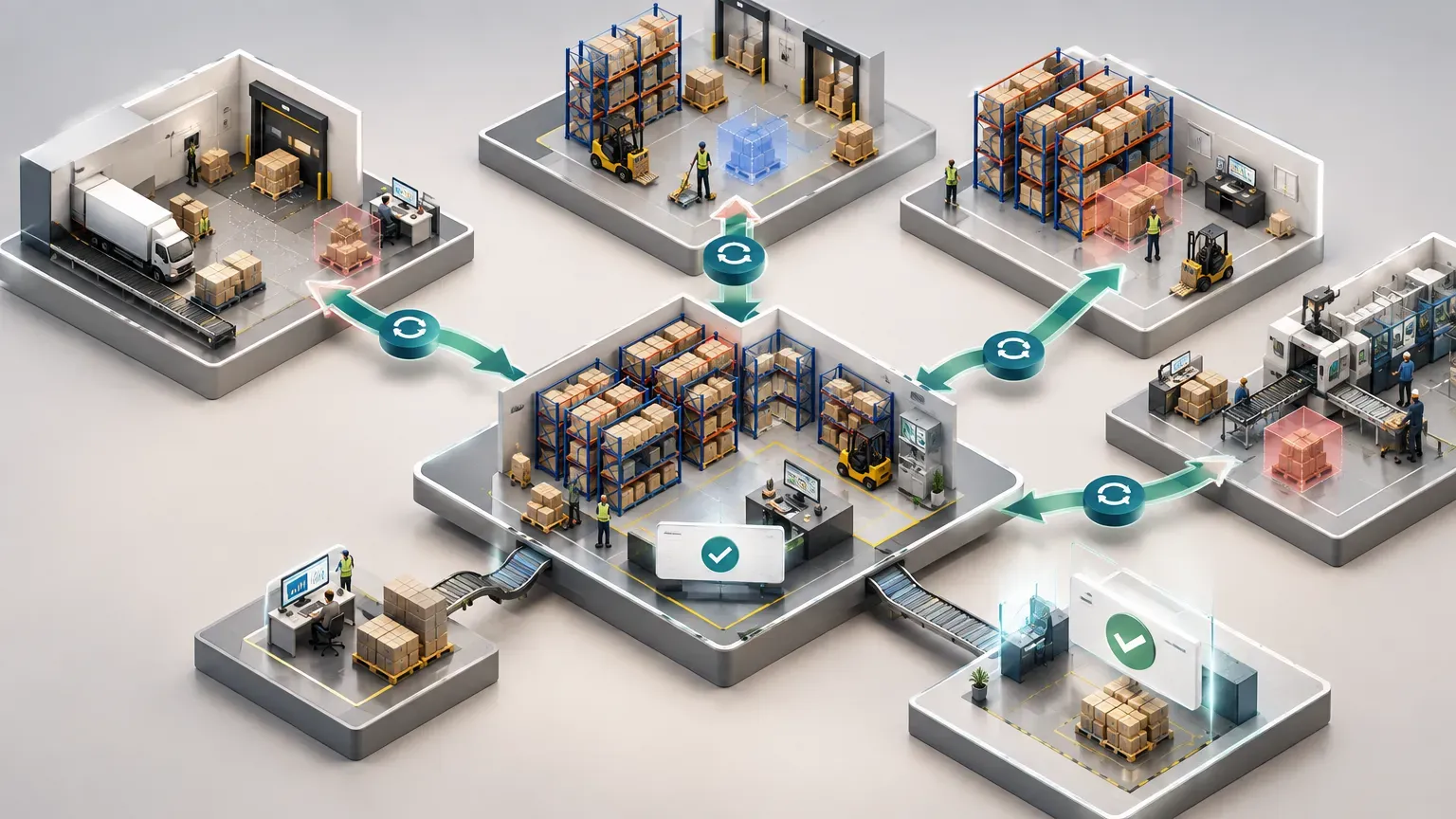
Why Do Inventory Adjustments Keep Coming Back Even When the Month-End Number Looks Right?
Frequent inventory adjustments are usually evidence of an upstream execution or transaction-timing problem. Management should analyze adjustment patterns by cause instead of treating reconciliation as the control.

Venus
The MES Screen Is Installed. Are Supervisors Using It When Decisions Happen?
MES creates value when supervisors use live shopfloor information at the moment they rebalance work, react to bottlenecks, manage quality and protect delivery—not when data is entered later.

Jupiter
You Already Have the Die and Plates. Are They Still the Right Tools for This Revision?
Reusable dies, plates, cylinders and tooling save time only when teams know which customer, artwork and specification revision each tool represents. Weak tooling control can reproduce an obsolete job perfectly.
Mars
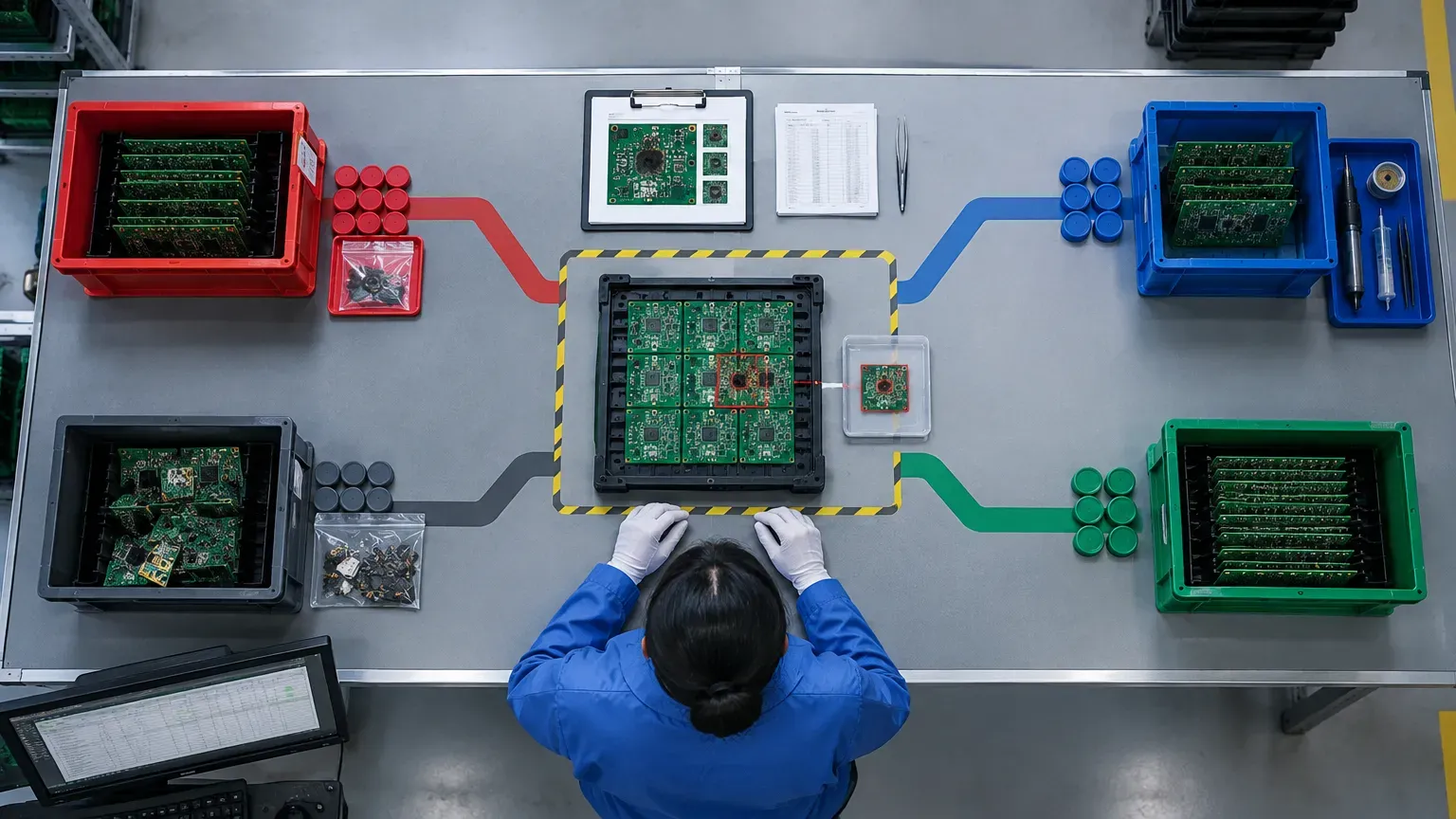
A Defect Was Found on the Line. Should Production Stop, Rework or Continue?
A shop-floor defect becomes expensive when disposition is unclear. EMS nonconformance control should connect the affected material or unit, quantity, defect, revision, work order, containment and MRB decision before production continues.
Saturn
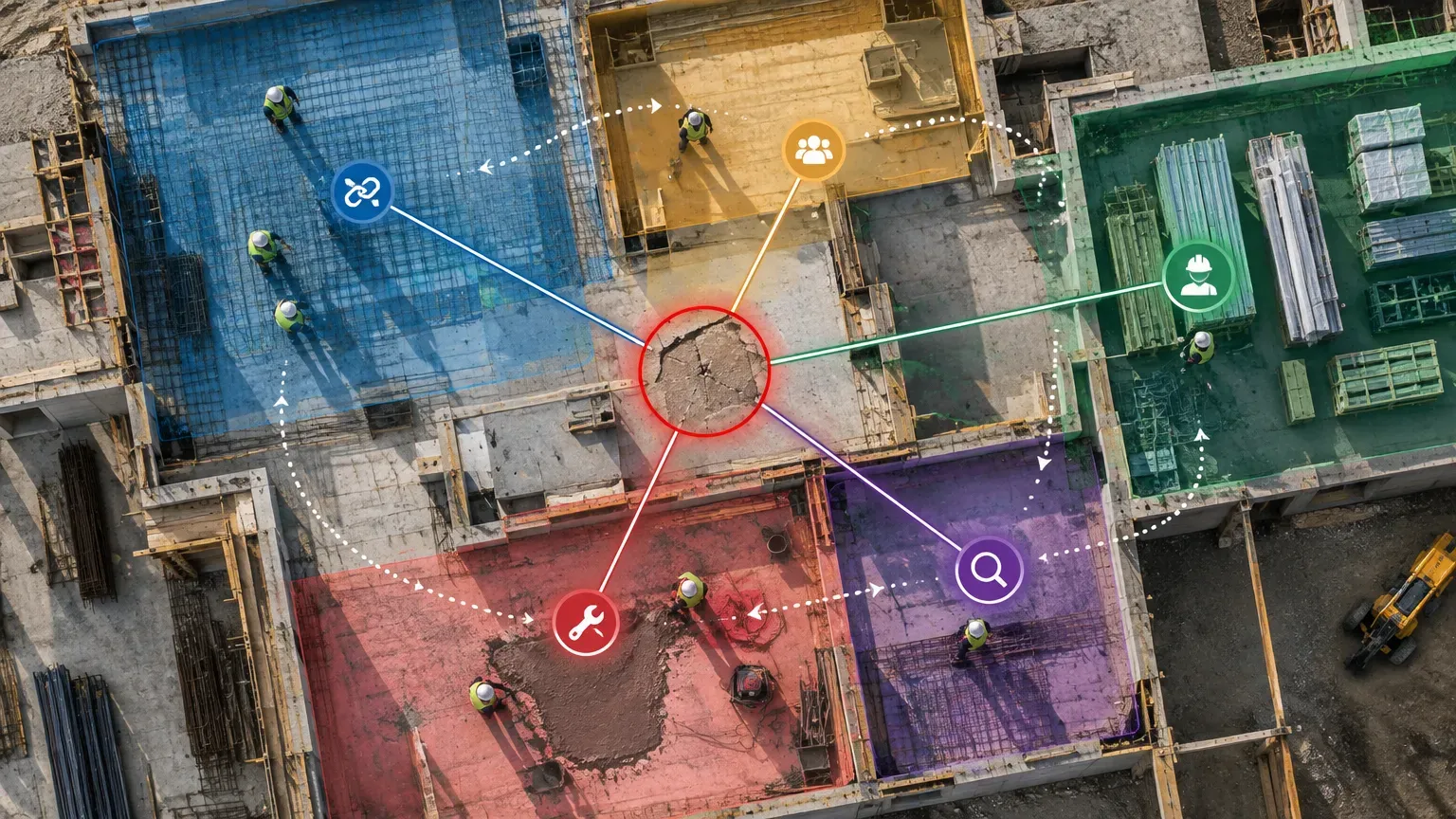
One Defect Was Found. How Much Work Does It Put Back at Risk?
A defect is not just a repair task. It may affect adjacent work, completed quantities, inspection status, subcontract responsibility and downstream sequence. The real question is how far the consequence travels.

Epicor
Too Many Epicor Approvals—or Not Enough? How Do You Design the Right Control?
Approval workflows fail when they become either ceremonial clicks or uncontrolled gaps. The right Epicor approval design matches decision consequence, authority, threshold and exception handling.

Venus
The Dashboard Is Full. Which Garment KPIs Actually Change Decisions?
A useful garment KPI is not simply measurable; it changes what someone does. Management needs a small hierarchy of indicators tied to delivery, flow, quality, material readiness and margin.

Jupiter
Paperboard, Film, Ink or Adhesive Changed. Is It Still the Same Packaging Job?
Material substitutions can change printability, finishing behavior, compliance, yield and cost. Packaging teams need a controlled way to approve alternatives and update the job before production consumes them.
Mars
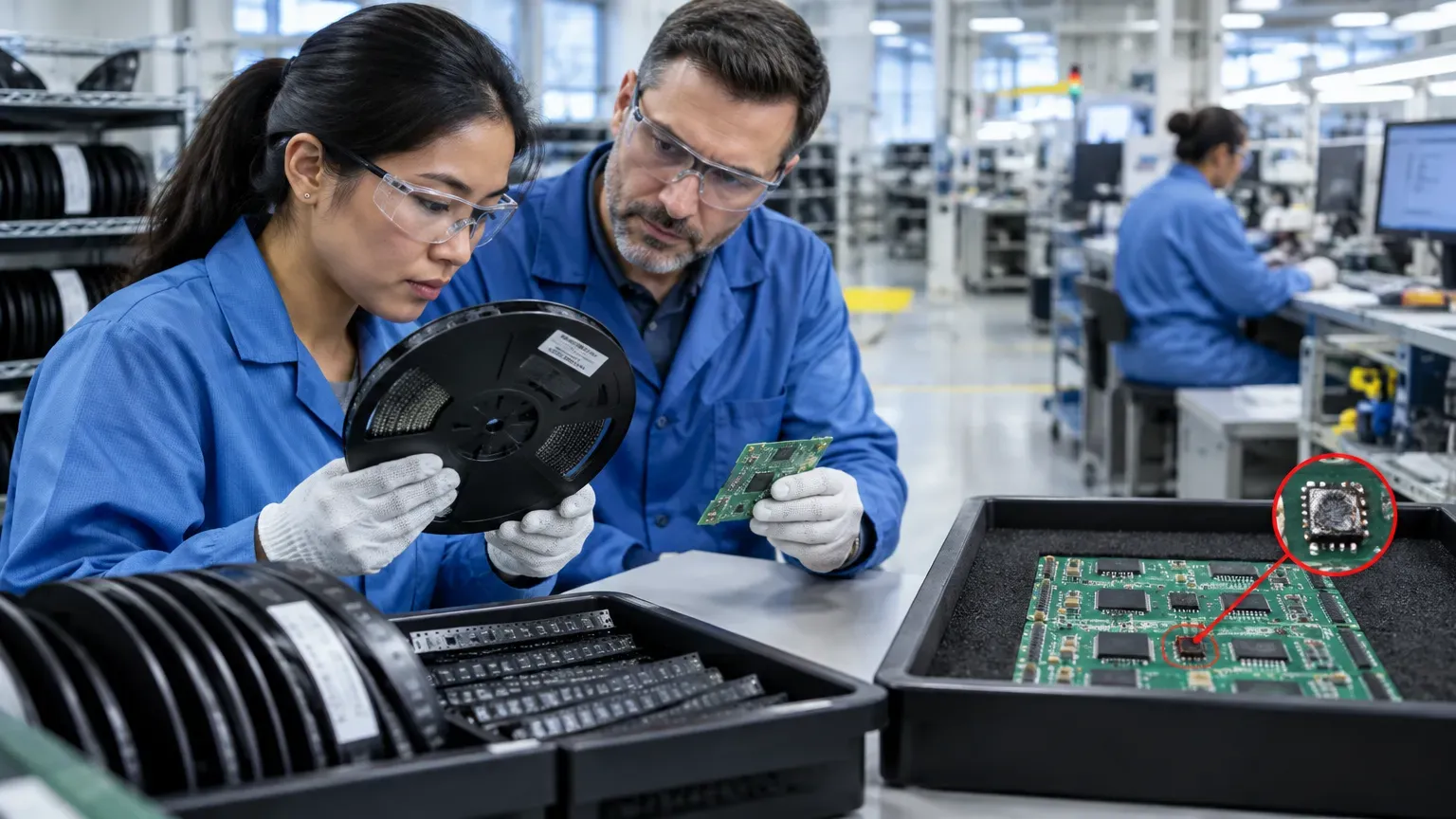
A Component Passed Receiving. Why Did Supplier Quality Still Reach Production?
Incoming inspection reduces risk but cannot guarantee every component is good. EMS supplier quality needs approved-source control, lot identity, inspection evidence, defect history and forward trace so suspect material can be contained before it spreads.

Saturn
The Work Is Finished. What Is the Inspector Still Waiting For?
Inspection delay often begins before the inspector arrives. Missing records, access, approvals, hold-point evidence or incomplete predecessor checks can leave physically finished work unable to move forward.

Epicor
Who Can Do What in Epicor—and When Did You Last Review It?
Epicor access tends to expand as people change roles, cover colleagues and inherit responsibilities. A useful access review connects permissions to current job responsibilities, business risk and segregation of duties.

Venus
Your ERP Is Live. Which Master Data Errors Quietly Distort Every Plan?
Small master-data errors in lead times, calendars, routings, supplier terms and material attributes can quietly distort garment plans long after the ERP project is declared live.

Jupiter
Which Artwork Version Is Approved—and How Do You Stop the Wrong One Reaching Press?
Artwork version errors can survive quotation, proofing and prepress if approval status and file lineage are unclear. Printing teams need one controlled version chain from customer revision to production release.

Mars
A Defect Reached the Customer. Can Your EMS Operation Contain It Fast Enough?
Customer escapes in electronics manufacturing are managed well only when quality, genealogy, material identity, WIP, supplier history, rework and shipment records can be connected quickly enough to define the real affected population and corrective action.

Saturn
The Work Is Installed. Is It Actually Complete?
Construction progress can look complete while inspection, quality records, testing, defects, commissioning and handover evidence remain open. True completion means the work is accepted, traceable and ready to move downstream.

Epicor
Epicor Is Full of Controls. How Do You Know They Still Match the Way the Business Operates?
Configured controls do not stay effective automatically. Epicor governance needs regular review of access, approvals, inventory exceptions, transaction timing, close discipline and system changes against the way the business actually works.

Venus
ERP Is Live. How Do You Turn Garment Data Into Better Daily Decisions?
Go-live is only the start. Garment manufacturers get more value from ERP when master data, shopfloor use, supplier visibility, multi-factory definitions and management routines keep improving after launch.

Jupiter
The Customer Changed the Job Again. How Do You Keep Specs, Cost and Production Aligned?
Printing and packaging jobs change after quotation. A controlled operating model keeps artwork, specifications, materials, tooling, approvals, cost and production instructions aligned so the latest customer decision reaches every downstream process.
Mars
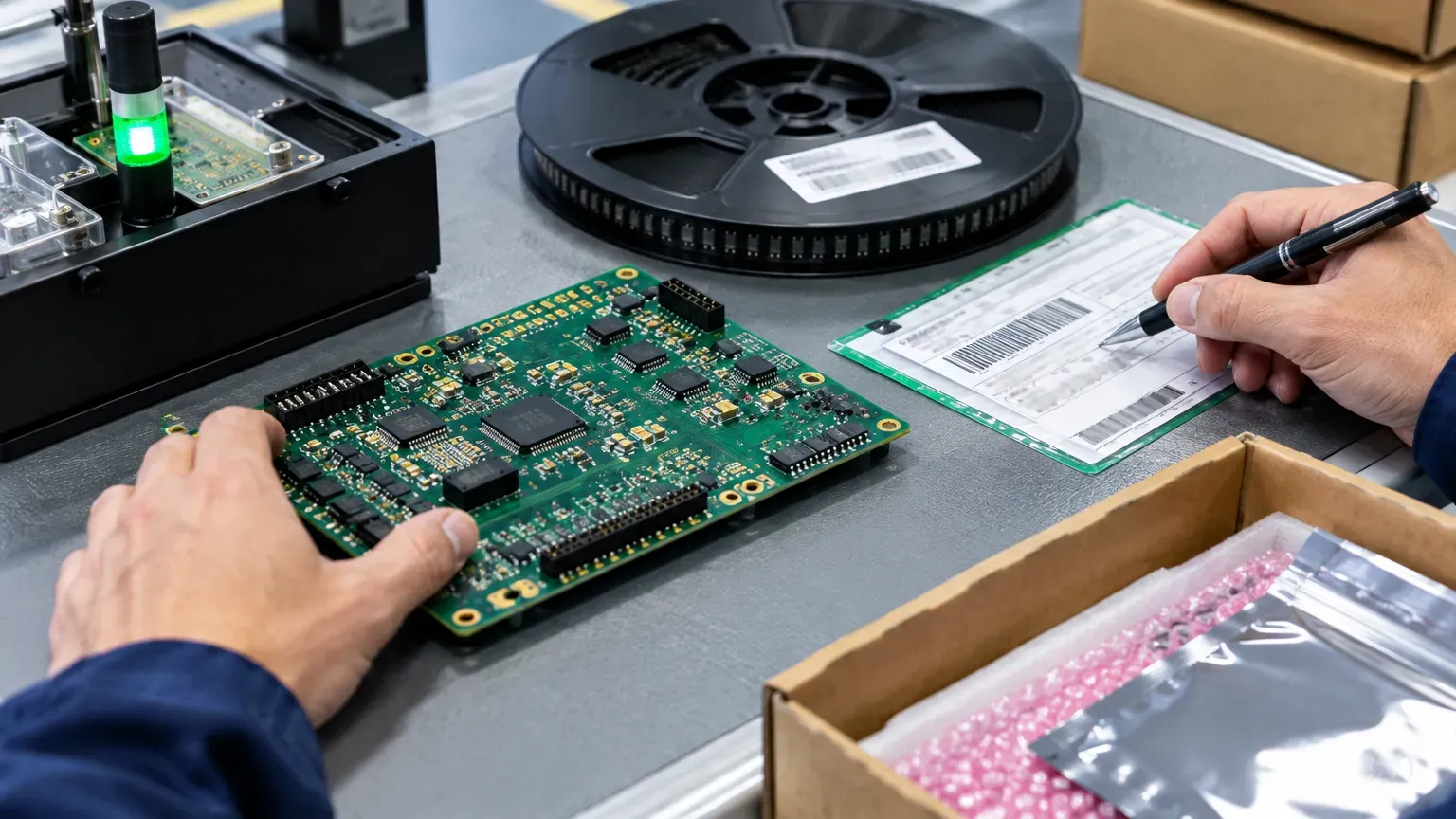
Can You Promise the Ship Date Before Material, Capacity and WIP Agree?
EMS delivery commitments are reliable only when component readiness, constrained capacity, current WIP, test and outside-processing dependencies support the date. Customer service needs an operational promise, not only an ERP due date.

Saturn
Yesterday Missed Plan. What Should Change Before Tomorrow Starts?
Daily production control matters when yesterday’s variance changes tomorrow’s plan. The strongest teams use actual output, lost-time causes and workfront readiness to adjust resources and sequence before the next shift.

Epicor
Where Should AI and Automation Sit Around Epicor Without Creating a Second System of Record?
AI and automation can assist decisions, summarize exceptions and trigger controlled workflows around Epicor, but governed transactions and authoritative data should remain traceable to the ERP operating model.

Venus
Management Sees 200 Open Orders. Which 10 Need Attention Today?
Management visibility becomes useful only when the system separates routine open orders from the small number of exceptions that require intervention today.
Mars
The Job Left the Factory for Outside Processing. Do You Still Control It?
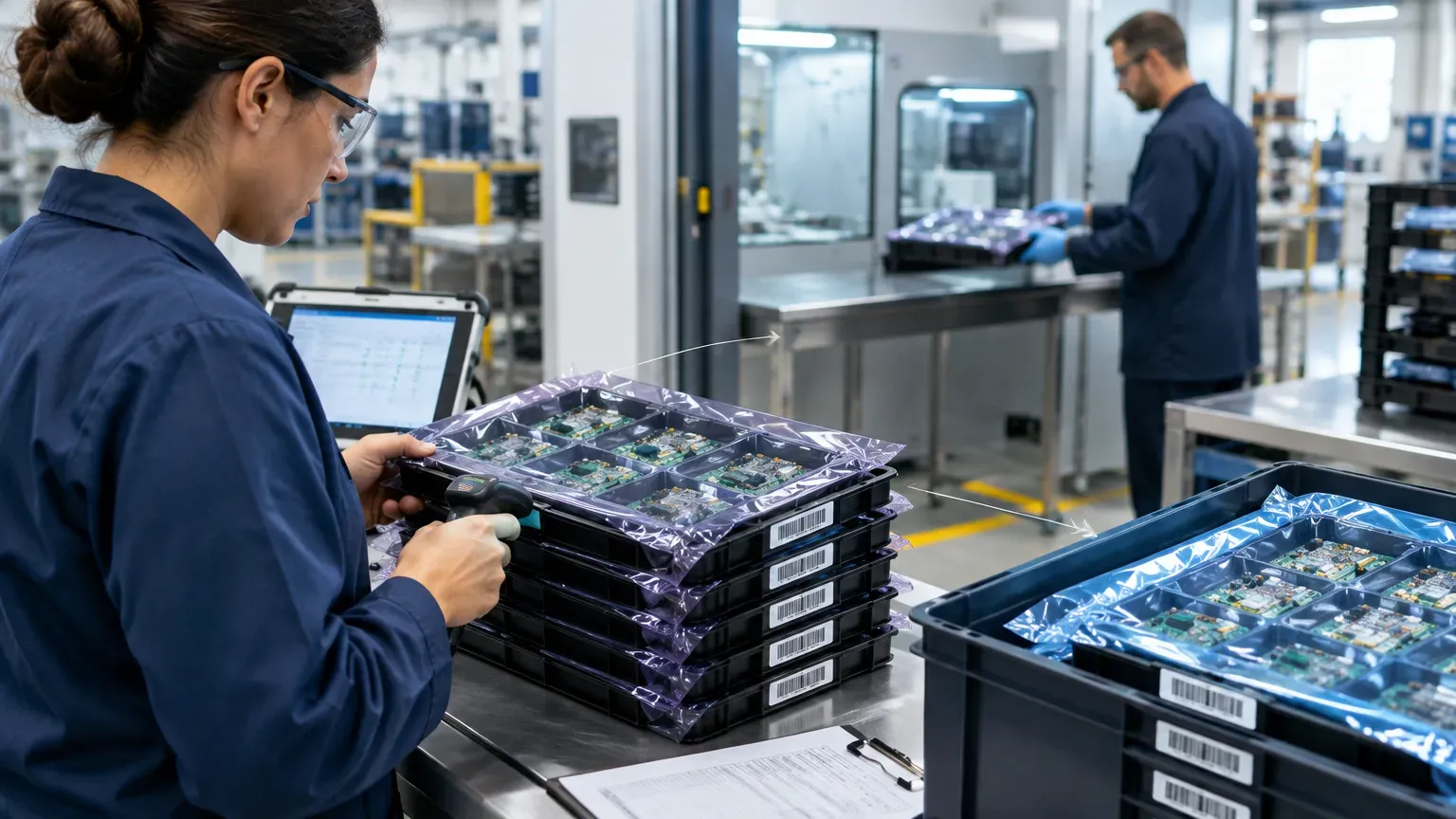
Outside programming, coating, machining, inspection or other subcontract steps can break visibility if material identity, quantity, revision, expected return and quality status are not connected to the original EMS work order.

Jupiter
The Product Shipped. Can You Prove Which Artwork, Material and Change History Reached the Customer?
Shipment confidence depends on more than quantity confirmation. The business must be able to prove which approved version, material and release path were actually packed and loaded.

Saturn
The Crew Lost Four Hours. What Actually Caused the Loss?
Lost time only becomes useful management information when the project identifies the real cause. Waiting for design, material, access, plant, predecessor work or instruction requires very different action.

Epicor
New Plant or Acquisition: How Fast Can You Bring It onto Your Epicor Operating Model?
A new plant or acquired business can join Epicor faster when the company already knows which data, controls, processes and integrations are part of the global operating model and which local differences are legitimate.

Venus
The Vessel Cut-Off Is Friday. Which Order Exceptions Should Shipping Escalate First?
Shipping teams need more than a finished-goods quantity: they need exception visibility across packing, documents, carton readiness, booking and handover before the cut-off closes.

Mars
The Work Order Is Open. Where Is the WIP—and Why Has It Stopped?
Open work orders do not explain whether electronics WIP is queued, waiting for material, under test, on quality hold, in rework or sitting between operations. EMS control needs operational status at the point where work is actually waiting.

Jupiter
A Repeat Order Returned. Can You Reuse the Last Job Safely or Must You Rebuild the Setup?
Repeat work saves time only when the prior setup is still valid. The team must confirm whether the customer expectation, material batch, artwork, process route and tooling condition still match the previous job.

Saturn
Too Many Trades Are Working at Once. Is the Site Becoming Less Productive?
Trade stacking can make a project look accelerated while reducing real output. Congestion, shared access, safety controls, material conflict and supervision load can turn extra crews into lower productivity.

Epicor
How Do You Keep Epicor Integrations from Becoming Hidden Technical Debt?
Epicor integrations become technical debt when business ownership, failure handling, security, monitoring and upgrade testing are unclear. Treat each interface as a governed business process, not invisible plumbing.

Venus
One Factory, Too Many Urgent Orders. When Does Priority Switching Start to Hurt Delivery?
Constantly promoting the latest urgent order can create more changeovers, WIP disruption and late orders than the expediting is meant to prevent.

Mars
Too Many Changeovers? How Do You Sequence High-Mix SMT Without Breaking Priorities?
High-mix SMT scheduling must balance customer priority with feeder setup, component commonality, program change, stencil/tooling readiness and material availability. The best sequence is not simply earliest due date.

Jupiter
Plates, Dies and Files Are Ready. How Do You Release Only the Correct Combination to Production?
Production readiness is not about checking boxes independently. The release decision must confirm that the approved file, plate, die, substrate and routing belong together for the same version and job context.

Saturn
The Quantity Is Behind Plan. Is the Production Rate Wrong—or the Workfront?
A missed quantity target does not automatically mean the crew is inefficient. Production rate depends on access, sequence, workfront size, material flow, design stability and coordination.

Epicor
Your Service Team Works in the Field. How Do Parts, Labour and Status Get Back to Epicor?
Field service becomes difficult to control when dispatch, labour, parts, completion and billing facts remain outside Epicor or arrive late. The operating model should connect field execution back to the ERP record.

Venus
Production Is Complete. Why Can Packing Assortment Still Delay Shipment?
Finished garments are not automatically shipment-ready: color-size ratios, carton assortment, labeling and buyer packing rules can still stop dispatch.

Mars
One Component, Three Urgent Orders: Who Gets the Scarce Stock?
Scarce components force EMS manufacturers to choose which orders can build first. A controlled allocation process should connect customer priority, due date, approved source, partial-kit status, margin and recovery options instead of relying on whoever escalates loudest.

Jupiter
The Layout Changed After Quotation. Which Material and Die Assumptions Are No Longer Reliable?
A structural or layout change can alter board yield, die geometry, fit, glue areas and converting behaviour. Treating it as a simple artwork revision can hide cost and execution risk until production begins.

Saturn
The Daily Report Says What Happened. Does It Explain Why?
Daily site records are most valuable when they explain why output differed from plan. Labour, plant, weather, access, instructions, waiting and installed quantities together create evidence management can act on.

Epicor
Should Every Shop-Floor Transaction Still Depend on a Desktop?
Shop-floor data quality suffers when operators must leave the work to reach a terminal, remember transactions or enter them later. Mobile execution should shorten that distance without weakening Epicor controls.

Venus
The Buyer Sent a Change. Did Merchandising, Planning and the Factory Act on the Same Decision?
Buyer changes become delivery risk when merchandising, planning, sourcing and production act on different versions of the same decision.

Mars
Forecast, Firm Order or Customer Expedite: Which Demand Should Drive EMS Planning?
EMS planning becomes unstable when forecast, firm orders, expedites and customer priorities are treated as equivalent demand. Management needs clear demand classes and commitment rules so purchasing and production respond proportionately.

Jupiter
One SKU, Three Language Versions. How Do You Prevent Version Mix-Ups on the Shop Floor?
Version errors often happen when similar jobs share artwork families, common materials or neighbouring machine time. Prevention depends on disciplined release, physical separation, clear identification and controlled packing logic.

Saturn
The Plant Is on Site. How Much of the Day Is It Creating Value?
Plant availability is not the same as plant productivity. Cranes, excavators, lifts and specialist equipment can be present all day while waiting on access, crews, material, permits or sequence.

Epicor
Your Inventory Is Accurate in Epicor. Why Is the Warehouse Still Working Around It?
Accurate ERP inventory does not guarantee efficient warehouse execution. The gap is often between controlled Epicor data and how receiving, putaway, picking, transfers and shipments are actually performed on the floor.

Venus
Fabric Is Ready. Why Can One Missing Trim Still Hold the Whole Order?
A garment order can look materially ready while one zipper, label, elastic or approved accessory quietly prevents cutting, sewing or packing from starting on time.

Mars
High-Mix EMS Changes Every Day. How Do You Keep Production Under Control?
High-mix EMS operations face changing demand, shortages, priorities, setups and WIP every day. Control comes from connecting forecast, scarce-component allocation, sequencing, WIP status, subcontracting and delivery commitments on an enterprise-grade Epicor foundation with Epicor Mars industry execution.

Jupiter
The Customer Approved a Change. Which Job Assumptions Must Be Revalidated Before Press Start?
A customer-approved change does not make the job production-ready by itself. Teams still need to revalidate every assumption that depended on the previous version, from substrate and colours to finishing, routings and release conditions.

Saturn
Labour Hours Are Rising. Is Installed Output Rising With Them?
Labour cost becomes meaningful only when it is compared with installed output. A project can stay fully staffed while productivity quietly deteriorates through waiting, poor access, rework, congestion or fragmented workfronts.

Epicor
Where Should Epicor Stop—and Where Should Connected Operational Apps Begin?
Epicor should remain the authoritative business backbone while focused operational apps simplify execution at the warehouse, shop floor, service edge and other points of work without creating a second system of record.

Venus
The Order Is Still Open. Which Exception Will Break the Delivery First?
Garment delivery control improves when teams stop treating every open order as equally urgent and instead manage the few exceptions that can still break the promised date.
Mars
NPI Is Over. What Has to Be Frozen Before Volume Production Takes Over?
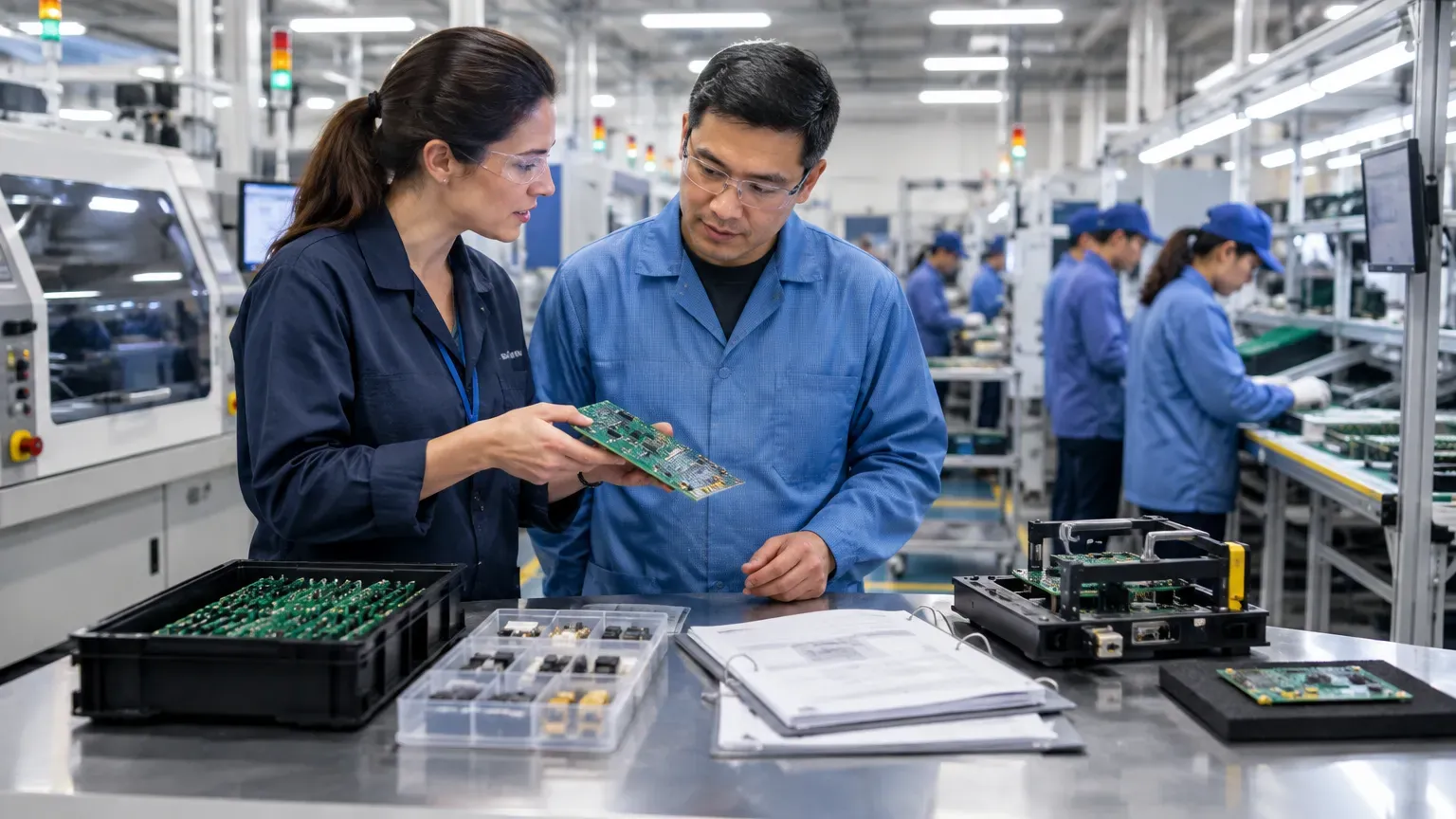
The handover from NPI to volume production needs a controlled baseline: product revision, mBOM, approved sources, routing, programs, test limits, work instructions, quality plan and standard execution rules.

Jupiter
How Do Change and Version Decisions Create Hidden Risk in Printing and Packaging?
In printing and packaging, the visible revision is only part of the risk. A changed artwork, structure, substrate or release instruction can quietly invalidate dies, plates, routings, approvals, stock allocations and shipment controls unless every downstream assumption is rechecked.

Saturn
The Site Looks Busy. Is It Actually Producing?
A crowded construction site can still be underperforming. Real production control connects labour, plant, installed quantities, workfront conditions and daily constraints so management can distinguish activity from productive output.
Epicor
Your Epicor Improvement List Keeps Growing. What Should You Fix First?
A growing Epicor backlog should be prioritized by business consequence, recurrence, workaround cost, control risk and dependency—not by the loudest requester or the easiest build.

Venus
The Shipment Left on Time. Did Finance Close the Same Order the Factory Thought It Finished?
Production completion, shipment and financial close are different milestones. Garment manufacturers need a controlled order-close process so late costs do not rewrite profitability after management has moved on.
Mars
Reworked Unit, Replaced Component: Does Your Build History Still Tell the Truth?
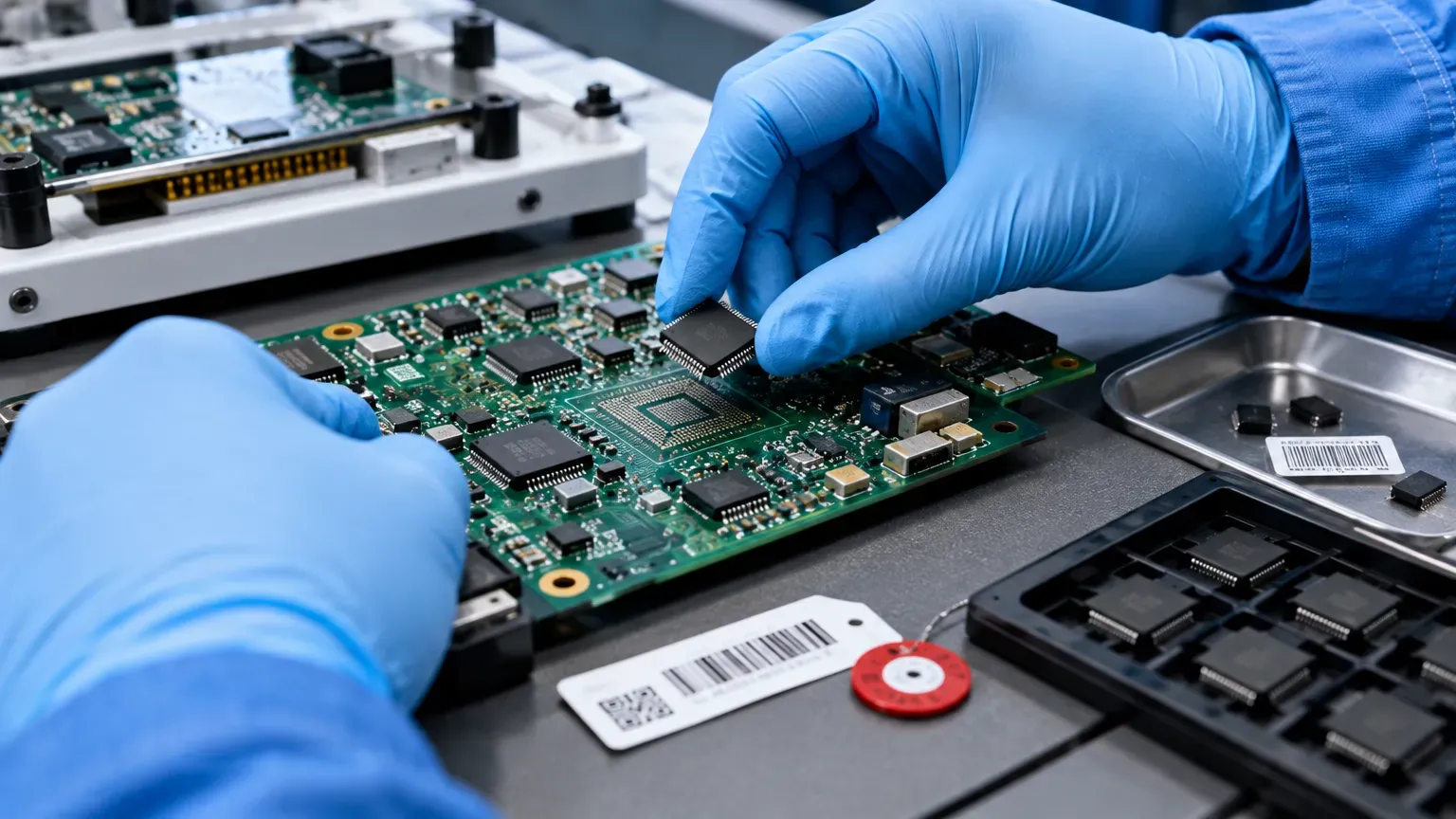
During NPI, repair and rework can change the as-built configuration. EMS genealogy should update component, operation, defect and repair history so the delivered unit record reflects what actually happened.

Jupiter
The Job Passed Inspection. Can You Prove Which Version and Material Were Shipped?
Quality release is stronger when the factory can trace the shipped product back to the approved artwork, material batch, production events and inspection evidence.

Saturn
The Site Found a Better Way. Has the Design Record Caught Up?
Field-led changes can improve buildability, but they create risk when the installed condition, approval trail and design record diverge. The project needs a controlled path from site decision to approved record.

Epicor
Epicor Data Is Complete. Why Are Managers Still Exporting to Excel?
Persistent spreadsheet exports usually signal a decision-process gap: unclear definitions, awkward exception views, missing ownership or a reporting workflow that does not match how managers actually work.

Venus
One PO, Three Factories, Several Shipments. Can You Still See the True Order Margin?
Multi-factory execution and split shipments are normal in apparel, but they can fragment the economics of one customer order. The solution is controlled operational splitting with commercial consolidation.
Mars
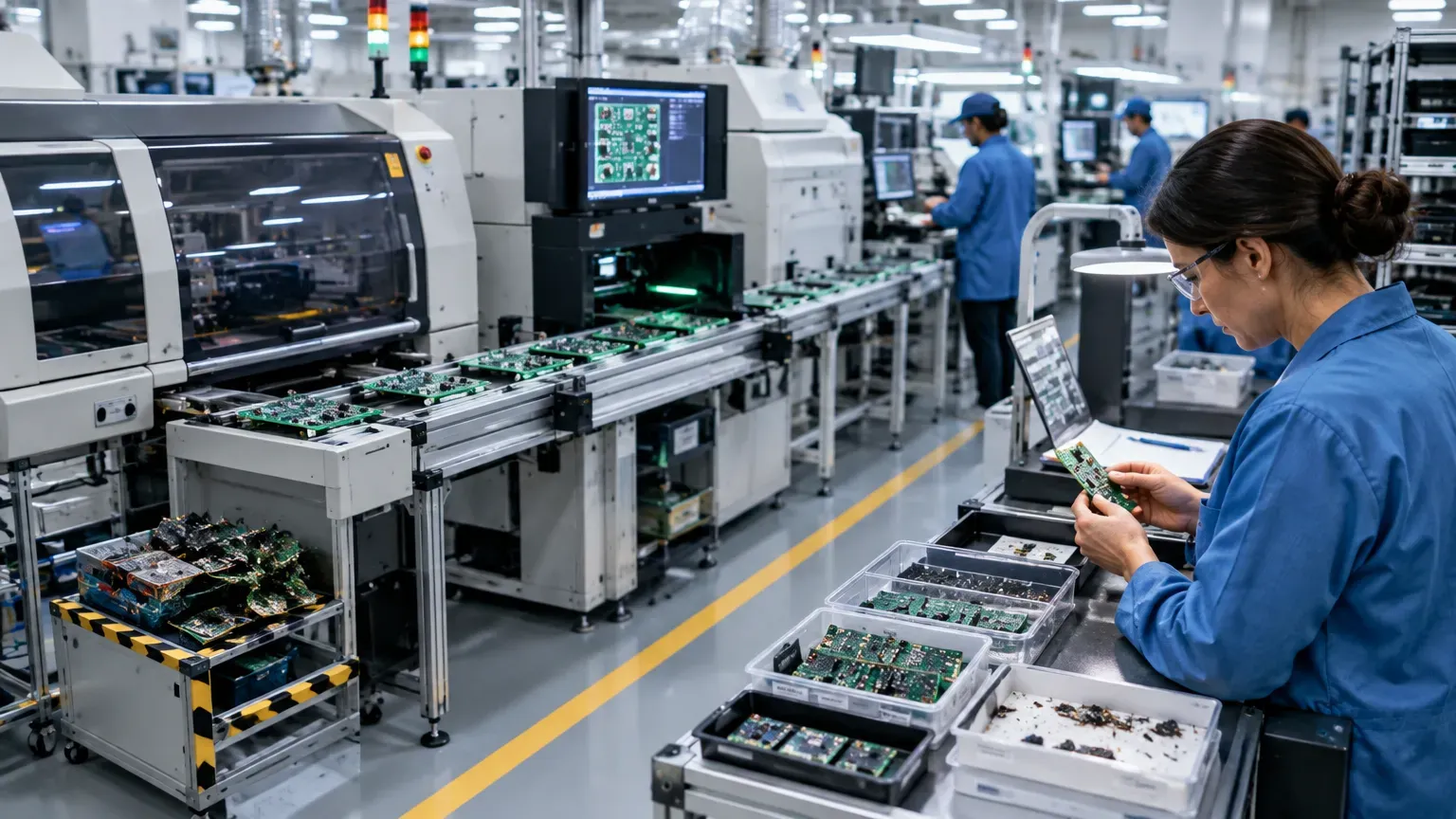
Yield Is Improving. How Do You Know the NPI Process Is Really Learning?
Early yield should be treated as learning evidence, not just a production score. EMS teams need to connect defect mode, operation, material, machine, rework and corrective action so yield improvement becomes repeatable.

Jupiter
A Reprint Was Required. How Do You Stop the Same Failure Happening Again?
Rework data becomes valuable only when the factory records what failed, where it originated and which condition allowed the defect to escape.

Saturn
The Two-Week Lookahead Is Full. How Much of It Is Truly Constraint-Free?
A crowded lookahead can create false confidence if activities still depend on missing drawings, approvals, access, materials or predecessor work. The useful question is not what is planned, but what is executable.

Epicor
Who Owns Epicor Master Data After Go-Live—and What Should They Control?
Epicor master data needs named business ownership after go-live. Clear domain owners, lifecycle controls and quality rules prevent duplicate records, weak planning signals and reporting disputes from becoming permanent operating problems.

Venus
Quality Passed at Final Inspection. Where Did the Cost of Rework Go?
Final inspection can show a clean shipment while hiding the labor, material, queue time and repeat inspection consumed by repair. Quality cost should be visible throughout production, not only at the end.

Mars
The Pilot Build Passed. What Evidence Says You Are Ready for Volume?
A pilot build should prove more than that a few units can be assembled. EMS teams need evidence on process stability, material issues, test, defects, cycle time, documentation and traceability before declaring volume readiness.

Jupiter
The Print Is Good. Why Do Quality Problems Appear in Finishing?
Lamination, coating, foil, folding and gluing can expose defects created by upstream conditions or introduce new ones. Quality must account for process compatibility, not only each machine in isolation.

Saturn
A Revised Drawing Arrived After Work Started. Which Version Is the Site Building?
Revision control becomes a site risk when superseded drawings remain in circulation. The project needs one controlled route from design revision to the people, packages and workfronts affected by it.

Epicor
Epicor Upgrade Ahead. What Should You Clean Up Before You Move?
An Epicor upgrade is easier when the business first removes obsolete forms, stale customizations, duplicate reports, weak master data and undocumented workarounds instead of carrying them forward.

Venus
Subcontracting Solves Capacity. How Do You Keep Cost, Quality and Traceability in Control?
Subcontracting can protect delivery, but it also creates a boundary where order identity, material movement, quality evidence and actual cost can fragment unless the partner remains inside the same garment-order control model.

Mars
The PCB Is Ready. Are Programming and Test Ready Too?
Electronics production can be blocked even when material and assembly are ready if firmware, programming files, test fixtures, limits, scripts or revision control are incomplete. NPI should treat test readiness as part of production readiness.

Jupiter
Printing Looks Right. Why Does the Carton Fail After Die-Cutting?
A good printed sheet can still become a poor carton when print position, die-line version, board movement, tooling or converting setup do not align.

Saturn
The Submittal Is Still Waiting. Which Site Decision Is Waiting With It?
Submittal approval is often treated as a document workflow, but its real consequence is physical: procurement cannot release, fabrication cannot start, or a workfront cannot open. Approval status should be tied to site need.
Epicor
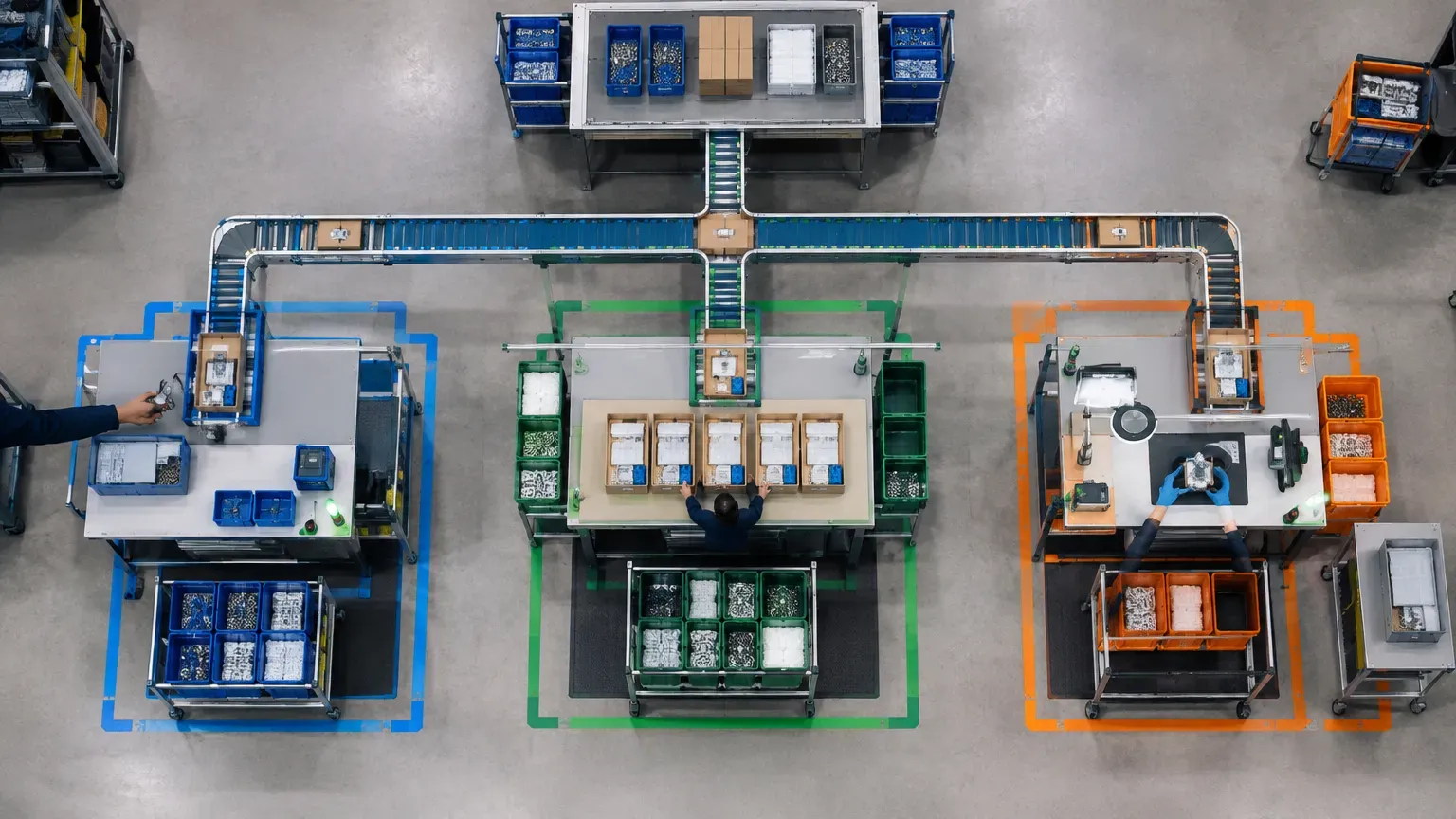
Your Plants Use the Same Epicor ERP. Why Do They Still Run Different Processes?
A common ERP does not automatically create common operations. Multi-site Epicor users need a deliberate split between global standards and legitimate local variation.

Venus
The Factory Hit the Quantity. Why Did the Order Still Lose Margin?
Shipped quantity does not explain profitability. Actual fabric use, labor efficiency, overtime, rework, subcontracting and logistics can move the margin even when output targets are met.
Mars
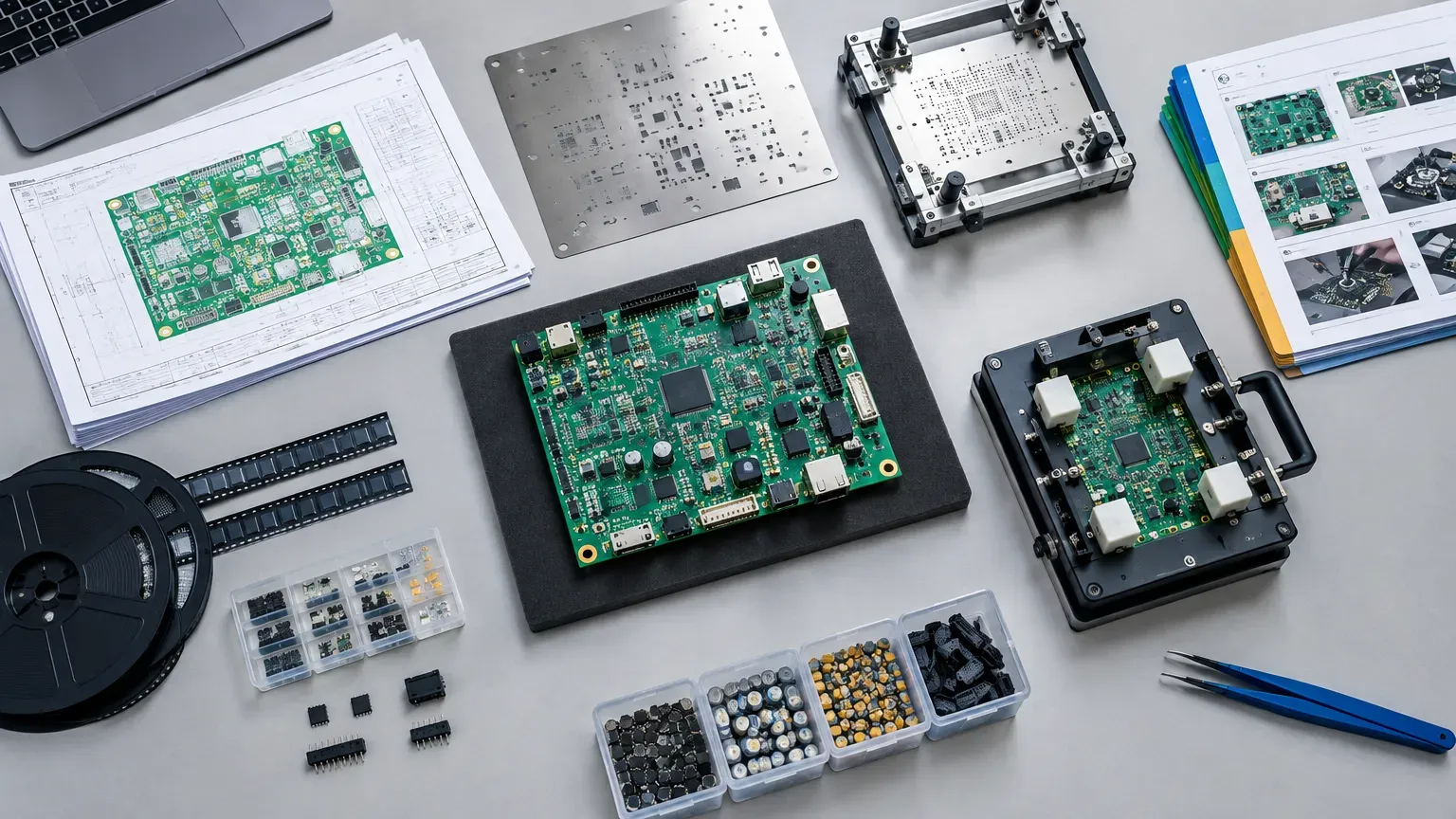
The Design Is Released. Is It Actually Ready for the Factory?
Design release is not the same as manufacturing readiness. EMS teams need to convert drawings and engineering intent into process steps, tooling, work instructions, inspection points and realistic cycle assumptions before volume production.

Jupiter
Colour Was Approved. Why Does It Still Drift During the Run?
Approved colour can drift when substrate, ink condition, press settings, environment or restart conditions change. Consistency requires a controlled process, not only a good first sample.

Saturn
An RFI Is Open. What Is It Really Holding Up?
An open RFI is not just a design query. It may be blocking labour, material release, subcontract scope, inspection or a whole workfront. The real priority should come from operational impact, not age alone.

Epicor
Too Many Reports, Too Many Numbers. Which Epicor Data Should Management Trust?
When different reports tell different stories, the problem is usually not a lack of data. Management needs agreed definitions, transaction ownership and reconciliation rules so Epicor becomes one operational truth.

Venus
The Buyer Changed the Order. Which Cost and Production Assumptions Are Now Wrong?
A buyer change is not just a revised sales order. It can invalidate consumption, purchasing, capacity, packaging, delivery and margin assumptions unless the impact is carried through the operating model.
Mars
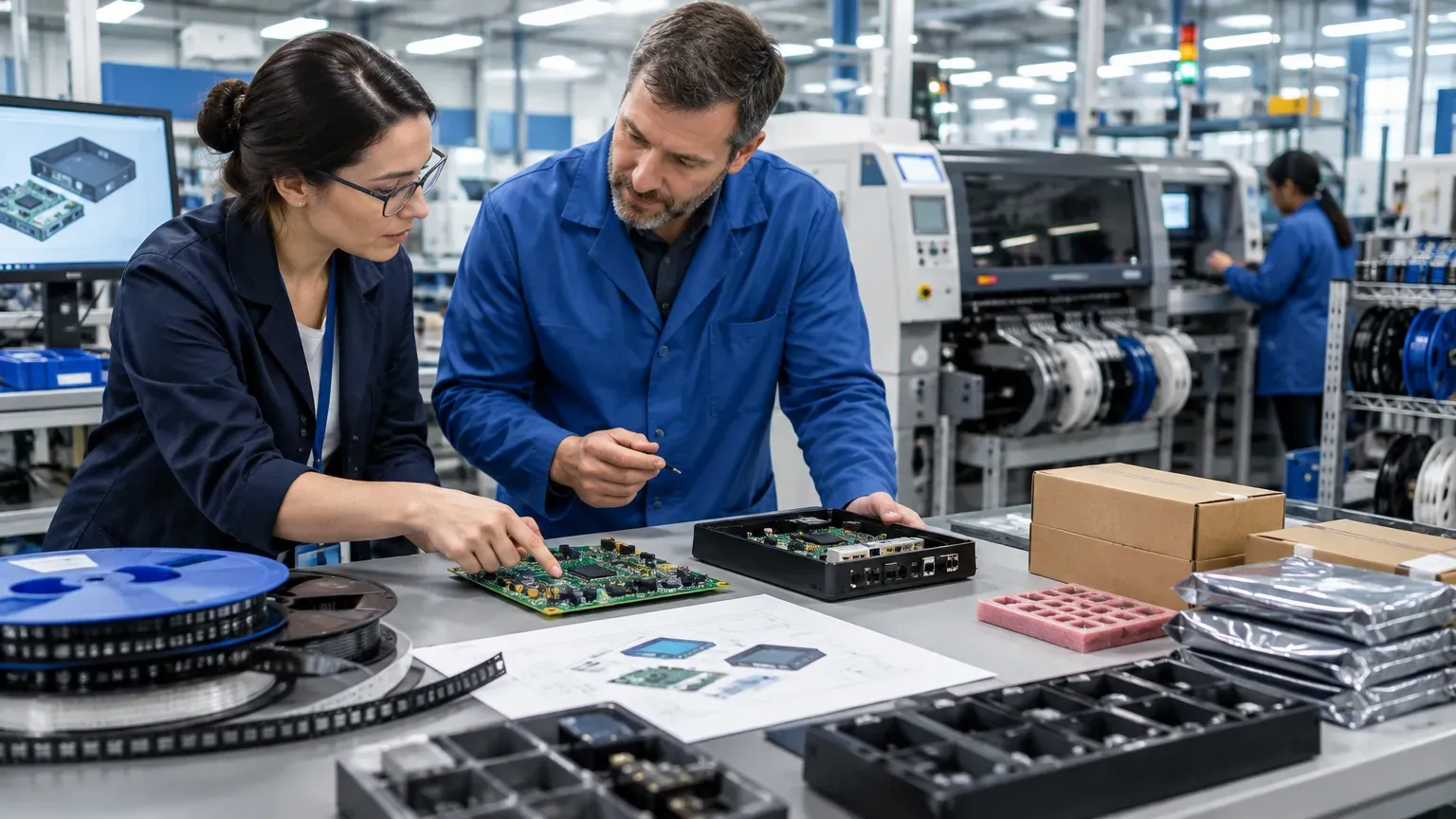
Engineering BOM or Manufacturing BOM? Which One Should the Factory Build?
The engineering BOM describes the product design; the manufacturing BOM must also reflect how the product is actually built, sourced, grouped and controlled. EMS NPI needs a governed transition between the two.

Jupiter
The First Sheet Looks Good. What Must Be Approved Before the Run Continues?
First-off approval should confirm more than appearance. It must establish the version, material, colour, registration and process conditions that make the result repeatable for the full run.

Saturn
The Drawing Is Issued. Is It Actually Ready for Construction?
An issued drawing can still be unusable on site if approvals, interfaces, dimensions, buildability or related information remain unresolved. Drawing status should reflect whether a crew can genuinely build from it.

Epicor
Epicor Is Live. How Do You Build a Continuous Improvement System Around It?
A live Epicor environment should become easier to manage over time. Continuous improvement needs controlled ownership of data, processes, exceptions, reporting, releases and improvement priorities—not an endless stream of disconnected changes.

Venus
The Order Was Profitable When It Was Confirmed. Is It Still Profitable Now?
Garment margin rarely disappears in one dramatic event. Buyer changes, material variance, learning loss, rework, subcontracting, split production and shipment decisions can gradually pull a profitable order away from its original commercial logic.

Mars
Prototype Built. How Do You Turn NPI Into Stable EMS Production?
A successful prototype does not prove a product is ready for repeatable EMS production. NPI needs controlled product definition, manufacturability, process readiness, test, pilot evidence, yield learning and a disciplined handover into volume execution.

Jupiter
Where Does Quality Really Break Down in Printing and Packaging?
Print and packaging quality failures rarely begin at one inspection point. They emerge when artwork, material, press conditions, converting, finishing and packing decisions stop sharing the same definition of acceptable output.

Saturn
The Programme Says the Work Can Start. Does the Site Have the Information to Build It?
A construction activity is not ready just because the programme date has arrived. Buildable work depends on current drawings, resolved RFIs, approved submittals, released materials, clear interfaces and a workfront free of hidden information constraints.

Epicor
Why Does Epicor Project Experience Matter Most After Go-Live?
The hardest Epicor decisions often arrive after implementation: what to standardize, what to extend, what to retire, and how to support growth without creating another layer of technical debt.

Mars
ERP Says the Job Is Released. What Does the Shop Floor Need Next?
Enterprise ERP provides the controlled business backbone, but EMS operators also need industry-specific execution: barcode-driven material identity, production steps, inspection, WIP status and traceability tied back to the same work order.

Jupiter
Printing Finished on Time. Why Is the Job Still Late?
Press completion is only one milestone. Finishing, inspection, packing, consolidation and loading can become the real constraint that determines whether a printing or packaging order ships on time.

Saturn
The Subcontract Package Is Awarded. Is the Scope Clear Enough to Avoid a Commercial Gap?
A subcontract award needs more than a price. Scope, exclusions, interfaces, programme dates, quantities, design responsibility, variation rules, valuation basis and site requirements should be explicit before work starts.

Venus
Digital Product Passports Are Coming for Textiles. Is Your Garment Data Ready?
Textile Digital Product Passport readiness begins long before a QR code. Manufacturers need dependable product identity, material, supplier, traceability and evidence relationships across the operational systems already running the business.

Epicor
When Does a Vertical Epicor Solution Beat More Generic Customization?
Generic ERP configuration reaches a limit when industry workflows repeatedly require the same specialized logic. Vertical solutions can reduce reinvention by embedding known process patterns around a proven Epicor platform.

Venus
Output Is Being Reported. Can Management Trust the WIP Picture?
Shopfloor reporting becomes decision-grade only when quantities are tied to the right order, operation, bundle, time and quality state. WIP data is valuable when it explains where flow is building, ageing or becoming unreliable.
Mars
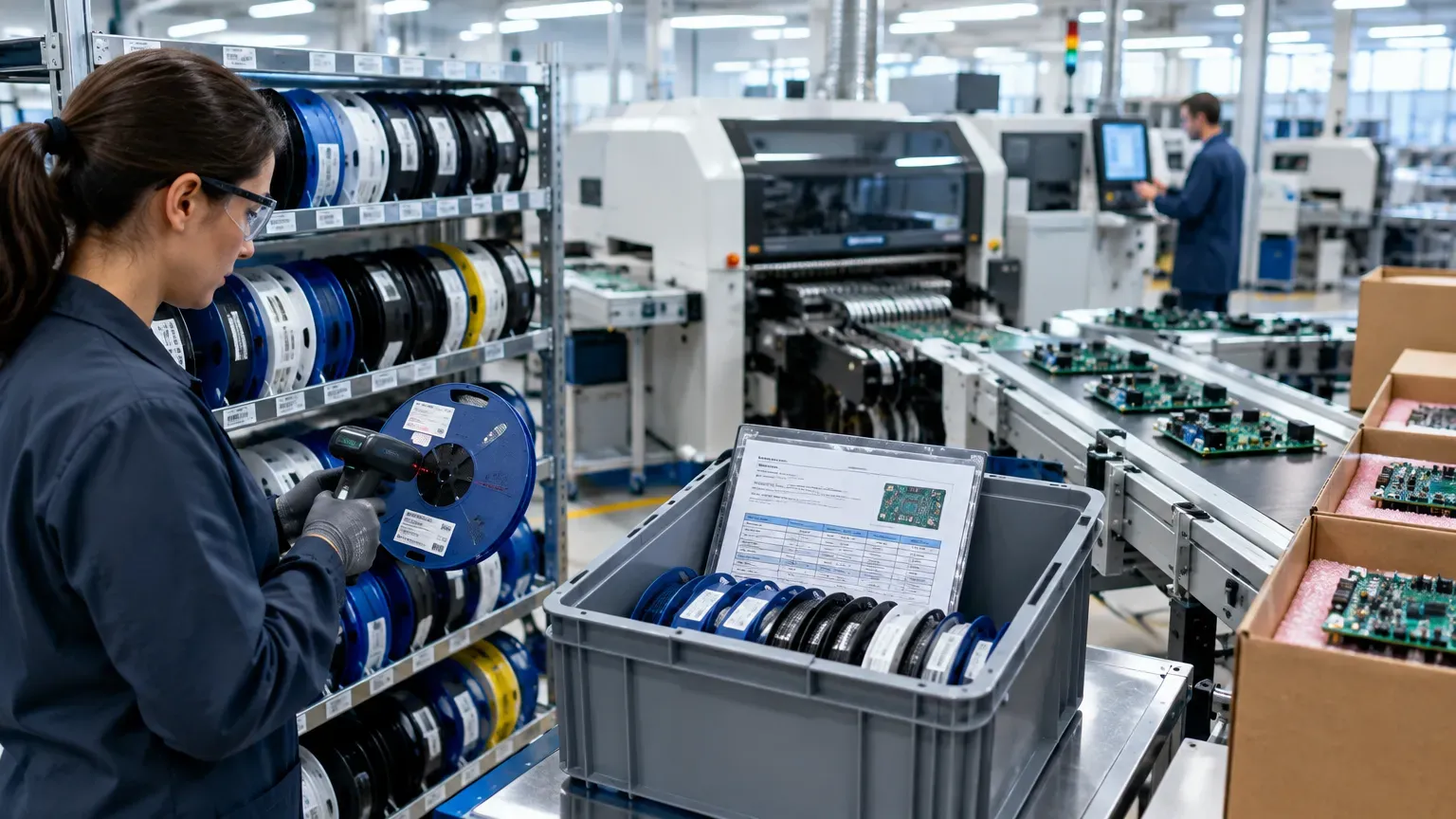
Production Started. Can You Trace Which Components Actually Went Into the Build?
EMS traceability should connect supplier, manufacturer part, lot or serial, inspection status, material issue and production consumption to the work order and finished unit where required.

Jupiter
Gang Runs Save Paper. When Do They Create More Delay?
Gang-run and imposition strategies can improve material yield, but combining jobs also links their readiness, quality and timing. The saving is real only when the operational dependency is managed.

Saturn
The Site Opens Next Week. Are Labour, Plant and Temporary Works Really Ready?
Site mobilization is more than a start date. Labour, plant, temporary works, permits, access, welfare, safety, logistics and material staging need to be ready in the sequence the programme assumes.

Epicor
Field Service Sits Outside ERP. What Should Mobile Teams Write Back to Epicor?
Mobile field service becomes useful when technicians can work simply in the field while the transactions that matter—service status, parts, time, evidence and completion—return to Epicor in a controlled way.

Venus
The Production Plan Fits on Paper. Why Does the Line Still Miss the Delivery Window?
A garment production plan can balance mathematically and still fail operationally. Material readiness, line capability, changeovers, learning curves, bottlenecks and actual shopfloor performance determine whether planned capacity is real.

Mars
An ECN Was Approved. Which Open Orders, Materials and Work Orders Are Now Affected?
Engineering change in electronics manufacturing is not only a document revision. An ECN can affect open RFQs, purchase orders, inventory, WIP, tooling, quality plans and customer commitments.

Jupiter
The Press Looks Free. Is That Capacity Really Available?
A free block on a press calendar is not automatically usable capacity. Materials, approvals, setup requirements, skilled operators and downstream finishing determine whether a job can actually use the slot.

Saturn
Long-Lead Items Can Delay the Site Before Work Begins. What Should Procurement Release First?
Project procurement should start from programme need dates, package scope, approved specifications, tender allowances and supplier lead times. Releasing the wrong package early can lock in cost or design risk; releasing too late can stop the site.

Epicor
Warehouse Transactions Still Depend on Paper. How Far Should Epicor WMS Go?
Warehouse mobility should move transaction control to the point of work without creating a second inventory truth. The strongest design keeps receiving, movement, picking, lot and serial control directly aligned with Epicor.

Venus
The Fabric Is in Stock. Why Is the Order Still Not Ready to Cut?
Inventory quantity is not cutting readiness. Shade, width, shrinkage, inspection, relaxation, allocation, location and order reservation determine whether the cutting room can safely use the fabric now.
Mars
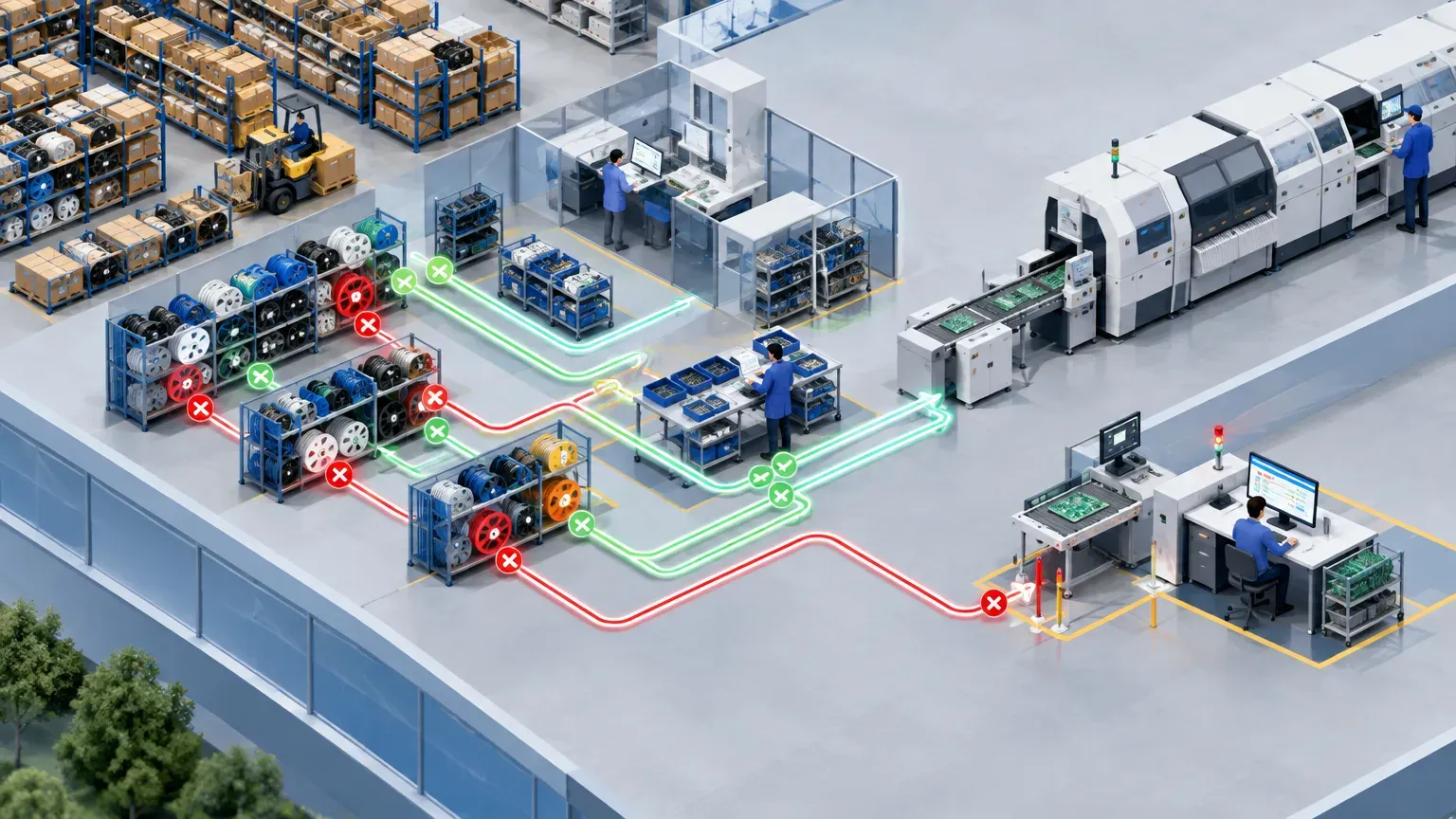
The Parts Are in Stock. Why Is the Work Order Still Not Ready to Build?
Inventory on hand does not guarantee an EMS work order is build-ready. Correct revision, approved source, lot status, quality release, allocation, quantity and location all matter before material can support production.

Jupiter
Paper Is in Stock. Why Is the Press Still Waiting?
Inventory availability is not the same as production readiness. A printing job can wait even when paper or board is physically in stock because specification, quantity, preparation or companion materials are not ready.

Saturn
The Budget Matches the Tender Total. Is It Structured for Project Control?
A tender total is not yet a project-control budget. Delivery needs costs structured by work package, cost code, resource and responsibility so commitments, actuals and forecast-to-complete can be compared against the same baseline.

Epicor
Multi-Region Epicor Rollout: What Should Be Global and What Must Stay Local?
Multi-region Epicor programs need a controlled global template, but not blind standardization. Finance, master data and process governance should be consistent while legal, tax and operational localization remains deliberate.

Venus
One Style, Dozens of Color-Size Combinations. Where Does BOM Accuracy Break?
Garment BOM errors rarely come from a missing basic BOM. They emerge where style revisions, color-size matrices, substitutions and consumption assumptions meet real buying and production.
Mars
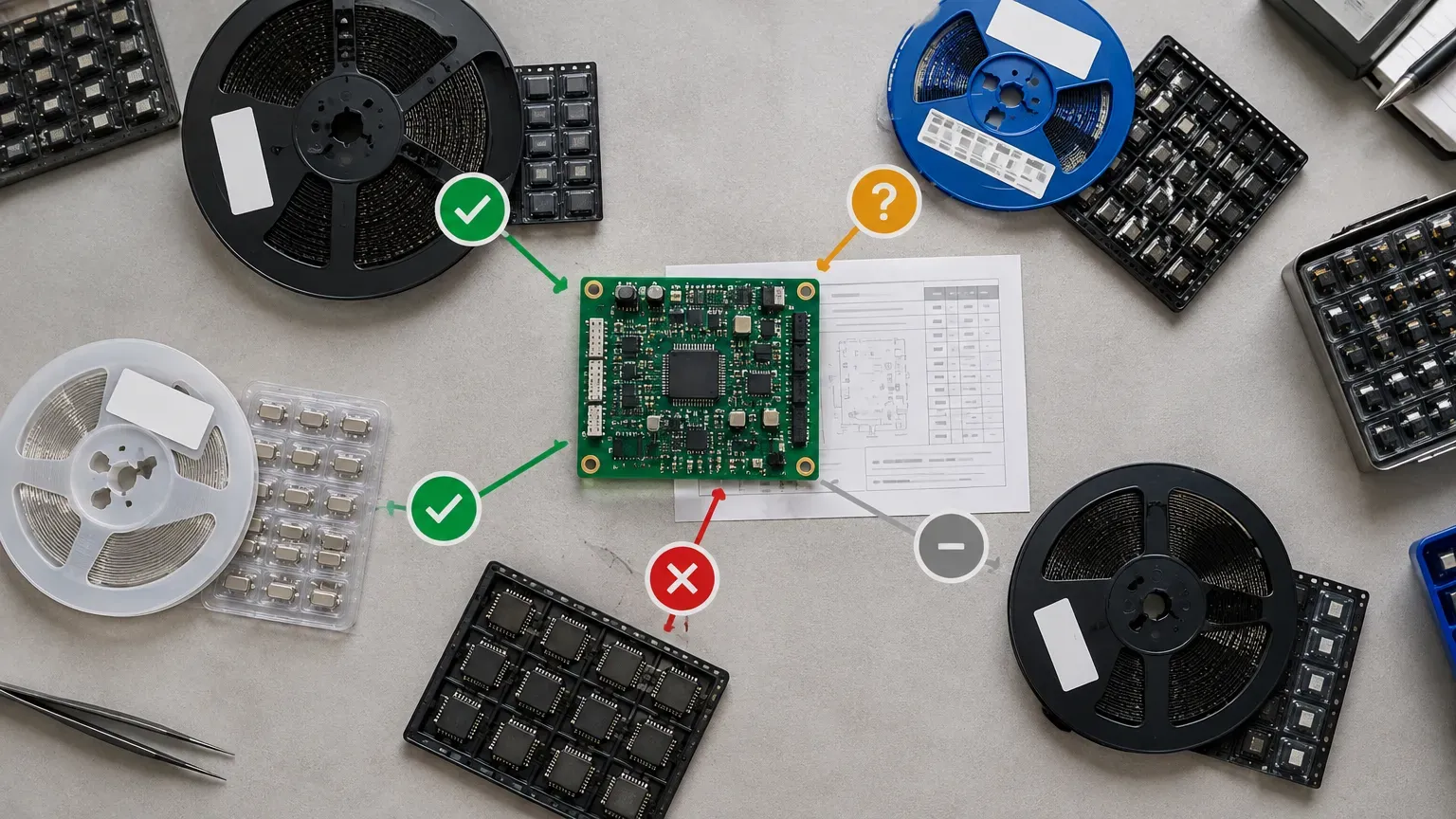
Approved Vendor List or Available Part? Why EMS Buyers Need Both Answers
A component can be available but not approved, or approved but commercially unavailable. EMS procurement needs to connect AVL/AML rules, manufacturer part identity, supplier source and current availability to the same material decision.

Jupiter
Artwork Changed After Approval. Which Production Assumptions Are Now Wrong?
A packaging artwork revision can invalidate more than the file itself. Plates, proofs, material yield, version splits, tooling references, scheduling and delivery assumptions may all need review.

Saturn
The Contract Is Signed. Which Obligations Must the Project Team Track From Day One?
Construction contracts create operational obligations around notices, approvals, programme, insurance, bonds, payment terms, retention, reporting and change. These obligations need owners and dates, not just a signed PDF.
Epicor
Your Epicor ERP Works. What Should You Extend Instead of Replace?
A working Epicor core should not be rebuilt simply because one operational area is weak. The better question is whether the gap belongs in ERP configuration, an Epicor-native extension, or a separate process that should be retired.

Venus
The Sample Was Approved. Why Is Production Still Working from the Wrong Version?
Sample approval only protects production when measurements, materials, buyer comments and revisions move forward as one controlled version. The real risk is not an unapproved sample—it is a factory executing yesterday’s truth.

Mars
The Customer Sent a BOM. Is It Ready to Quote?
A customer BOM is not automatically a quote-ready manufacturing definition. EMS teams need to identify revision, approved manufacturers, substitutions, customer-supplied parts, sourcing gaps and process assumptions before pricing and committing.

Jupiter
The Quote Was Right. Why Did the Job Still Lose Margin?
An accurate print estimate can still end in poor margin when actual material, setup, waste, finishing or delivery conditions change during execution.

Saturn
The Tender Was Won. Which Assumptions Must Survive the Handover?
Tender assumptions about scope, rates, exclusions, resources, subcontracting, programme and risk can disappear when estimating hands the job to delivery. A controlled handover turns those assumptions into an explicit project baseline.

Epicor
How Should Epicor Users Modernize Without Rebuilding What Already Works?
Epicor modernization works best when companies protect the stable ERP core, remove avoidable complexity, and extend the platform only where operations genuinely need better execution, mobility, visibility, or industry depth.

Venus
From Sample to Shipment: Where Does Garment Manufacturing Lose Operational Control?
A practical framework for garment manufacturers to connect style, material, capacity, shopfloor and traceability decisions before small gaps become delivery problems.

Mars
From RFQ to Production Ready: What Does an EMS Manufacturer Need to Control?
Electronics and EMS manufacturers need more than transactional ERP. A reliable operating model connects RFQ assumptions, BOM and revision control, approved sources, component readiness, engineering change, production release and shop-floor execution on an enterprise-grade ERP foundation.

Jupiter
Why Printing and Packaging Jobs Lose Margin Between Quote and Shipment
A print job can look profitable when quoted and still finish below target because material, revision, scheduling, production, finishing and delivery assumptions change after the estimate is approved.

Saturn
You Won the Tender. Is the Project Actually Ready to Start?
Winning a construction or engineering tender does not automatically create an executable project. A controlled start needs tender assumptions, contract obligations, budget structure, procurement packages, resources, subcontract commitments and site mobilization aligned to one project baseline.

Epicor
The Dashboard Looks Good. Which Decision Still Needs a Human?
Better dashboards improve visibility, but management value still depends on judgment, prioritization and action.

Saturn
Practical Completion Is Near. Is the Final Account Ready to Agree?
Practical completion is an operational milestone, not automatic commercial closure. Final-account readiness depends on resolving evidence and exposure before the project team disperses.

Venus
The Month-End Review That Should Change How the Factory Runs Next Month
A performance review creates value only when repeated waits, rescues and assumptions become specific changes to the next operating cycle.

Jupiter
One Dashboard, Five Versions of Factory Truth.
A dashboard cannot resolve conflicting definitions. Management visibility starts by agreeing what a job, quantity, milestone, delay and margin actually mean.

Mars
The Plan Slipped Today. Which Order Should Recover First?
Schedule recovery is a business decision, not a race to restart every late job. Priority must reflect commitments, constraints, cost and consequence.

Mars
The Board Left for Subcontracting. Did Its History Go Too?
Outsourcing a process should not break the digital thread. Material identity, revision, process evidence and exceptions must travel with the product.

Epicor
The Next Epicor Rollout Is in Asia. What Partner Capability Matters Most?
Regional rollout success depends on more than technical skill; it also depends on execution judgment, localization and long-term support.

Venus
Every Team Adds Two Days. Why Is the Garment Order Still Late?
Local safety buffers feel prudent, but hidden padding makes priorities ambiguous and lets waiting expand without protecting the customer promise.

Saturn
The Cost Report Is Green. Is the Forecast to Complete Still Credible?
Current variance can look favourable while the remaining work is understated. Forecast credibility depends on re-estimating what is left from current project evidence.

Jupiter
The Waste Bin Is Full of Production Data.
Paper and board waste becomes useful only when quantity, reason, job, operation, material and recovery route are connected to decisions—not merely weighed at month end.

Jupiter
The Customer Sent One Photo. Which Batch Should You Investigate?
Complaint response becomes faster and fairer when shipment, batch, material, artwork, production and quality evidence can be reconstructed without guesswork.

Epicor
Standard First, Industry-Specific Where It Matters. How Do You Decide?
Industry-specific workflow should be added where it improves control, speed or commercial value—not just because it feels familiar.

Venus
Ten Minutes Times Forty Operators: The Hidden Cost of a Garment Changeover
A changeover is not one stopped machine. It is a coordinated restart of people, tools, methods, materials and quality—and its losses multiply across the line.

Saturn
The Margin Looks Fine. What Is Retention and Other Deductions Doing to Cash?
Margin and cash are different lenses. Retention, deductions and delayed certification can create pressure even where the project still appears profitable on a cost report.

Mars
WIP Is Moving. Why Is Lead Time Getting Longer?
Activity can hide delay. The useful question is not whether WIP moved, but how long it waited, why it queued and what blocks flow.

Epicor
One Group, Many Countries. How Do You Standardize Epicor Without Smothering Local Reality?
Multi-country Epicor programs work best when they standardize what matters and localize what must remain practical.

Venus
The Machine Was Available Until the Style Arrived
An equipment list proves ownership, not readiness. Garment production loses time when maintenance, setup, attachments and technicians meet the style too late.

Saturn
The Payment Application Was Submitted. What Will Actually Become Cash?
A submitted application is only the start of the receivables journey. The cash forecast depends on certification, retention, deductions, disputes and the expected payment date.

Jupiter
A Repeat Order Is Never Just the Same Job Again.
Reusing proven specifications saves time, but every repeat order must test what changed in artwork, material, quantity, route, supplier and customer instruction.

Mars
The SMT Line Is Free. Why Can’t the Job Start?
Available machine time is only one part of line readiness. People, feeders, programmes, tooling, materials and verification must converge.

Mars
The Alternate Part Is Approved. But for Which Customer?
An alternate component is not universally interchangeable. Approval must preserve product, customer, revision, site and time context.

Epicor
The Technician Closed the Call. Did Epicor Get the Full Service Story Back?
Field service creates more value when parts, time, proof and customer outcome return coherently into Epicor.

Venus
The Invisible Factory Outside Your Factory: What Subcontracting Hides
Capacity may leave the main gate, but responsibility does not. Subcontracted work needs the same order identity, quality evidence and progress visibility as internal production.

Jupiter
The Machine Stopped. The Schedule Kept Moving.
A breakdown becomes a delivery problem when maintenance evidence and production priorities live separately. Recovery needs one shared operational clock.

Saturn
The Subcontractor Valuation Is In. What Work Was Actually Done?
A subcontractor application should be tested against what is measured, accepted and contractually payable. Otherwise the valuation can outrun the work actually earned.
Mars
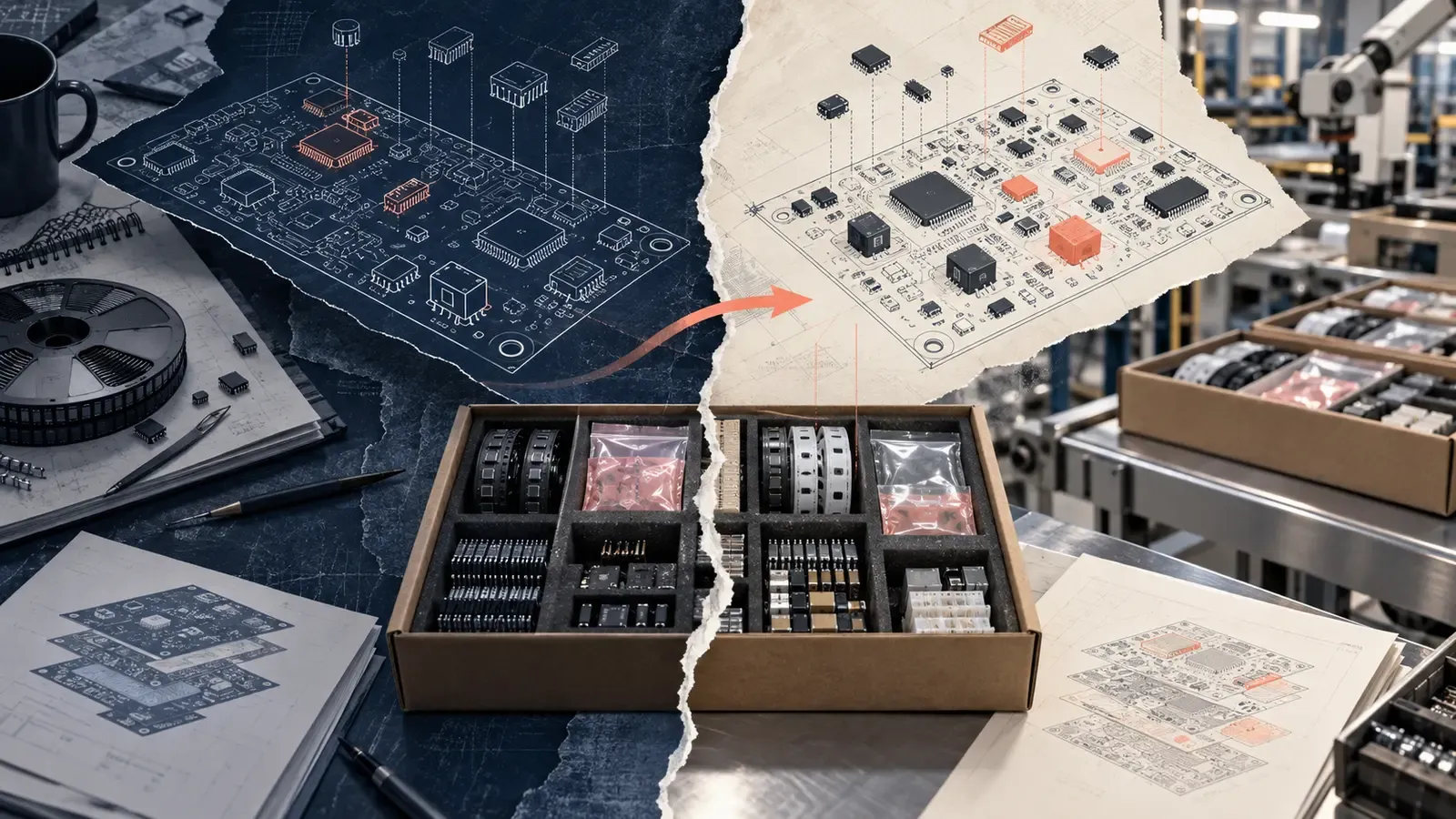
The BOM Changed After Kitting. Which Version Builds?
An engineering change becomes operational only when its effect on material, WIP, programmes, instructions and customer commitments is controlled.

Epicor
Inventory Is Visible. Is Warehouse Work Happening at the Point of Truth?
Warehouse visibility improves when scanning and control happen where the physical work really happens.

Venus
Final Inspection Is the Most Expensive Time to Discover a Process Problem
Final inspection can protect a shipment, but it cannot cheaply undo thousands of pieces made under an unstable method. Quality must move upstream into the flow.

Saturn
The Purchase Order Is Placed. Do You Know the True Committed Cost?
A purchase order total is only one view of commitment. Management also needs visibility of pending awards, instructed work, expected change and package exposure not yet formalised.

Jupiter
The Supplier Met the Date. Why Isn’t the Material Ready?
A delivery timestamp does not prove usable material. Receiving, inspection, allocation, documentation and conditioning still stand between arrival and production readiness.

Epicor
Epicor Is the System of Record. How Do You Turn Visibility into Faster Action?
Epicor can connect the business, but value rises when visibility turns into faster, better operational decisions.

Venus
That Pile Between Sewing Operations Is Already Writing Tomorrow’s Schedule
Work-in-progress is not passive inventory. Its location, age and imbalance reveal where tomorrow’s output is already being constrained.

Mars
MRP Says Available. Why Is the Kit Still Short?
Inventory quantity does not equal usable material. Allocation, location, quality, revision and timing determine whether a production kit is truly ready.

Jupiter
The Paper Was Right. The Lot Was Wrong.
A substrate can match its commercial description yet behave differently by lot, condition, coating or storage history. Traceability makes that variation actionable.

Saturn
The Variation Was Instructed. Has the Cost and Time Impact Been Agreed?
An instruction may authorise work, but it does not by itself settle scope, entitlement, value, programme effect or billing. Those parts need one traceable commercial record.

Epicor
Every Site Reports Profit. Why Is Group Margin Still Under Pressure?
Group margin can weaken even when plants look healthy individually, if mix, transfer effects, service levels and exception costs are not seen together.

Jupiter
Every Carton Has a History. Can Your Factory Reconstruct It?
Traceability is not a serial number at dispatch. It is the connected history of specification, substrate, artwork, operations, quantities, quality decisions and delivery.

Venus
The Five-Minute Approval That Makes a Garment Order Wait Five Days
The decision itself may take minutes. The order loses days while evidence is assembled, ownership is unclear and nobody sees which approval is holding the clock.

Saturn
The Project Is Progressing. Is the Commercial Position Keeping Up?
A project can advance visibly on site while its commercial position quietly weakens. The real control question is whether change, commitments, valuations, cash and forecast move with the work.

Mars
The Schedule Is Green. Why Is the Line Still Waiting?
A production schedule is credible only when demand, materials, engineering, resources and shop-floor reality agree on what can start next.

Epicor
Quality Approved the Part. Is the Material Really Free to Move?
Quality status only protects operations when release, hold and traceability rules are understood the same way by inspection, warehouse and production.

Saturn
The Handover Date Is Fixed. Are Commissioning and Closeout Ready?
A fixed handover date is credible only when testing, commissioning, snagging, documentation, training, asset data and approvals are planned as integrated completion work.

Jupiter
The Invoice Closed. The Job Cost Is Still Moving.
Late subcontracting invoices, spoilage, freight and unrecorded labour can keep changing job margin after billing. Closing the commercial document is not closing the operational truth.

Venus
The Waiting Factory: Where Apparel Lead Time Goes When Nobody Is Sewing
Garment lead time rarely disappears at the needle. It accumulates while orders wait for decisions, approvals, material, capacity and permission to move.

Mars
A Warranty Return Is a Message from the Factory’s Past.
Field returns become improvement evidence when the factory reconnects the product to its revision, materials, process, test, repair and shipment history.

Saturn
The Delay Notice Was Sent. Where Is the Evidence?
A delay notice is stronger when it is connected to contemporaneous instructions, programme versions, site records, photos and a clear cause-and-effect account of the affected work.

Epicor
The Invoice Was Sent. Why Is Cash Still Waiting?
Cash delay often begins long before accounts receivable—inside order accuracy, shipment proof, pricing logic and dispute handling.

Jupiter
The Job Is Finished. The Shipment Is Not Ready.
Production completion does not guarantee dispatch readiness. Packing rules, split deliveries, labels, documents and consolidation can still hold the order.

Venus
The Monday Exception List: Seven Questions That Show Where the Week Will Break
A useful operations dashboard does not retell last week. It identifies the few orders whose decision windows, constraints and hidden recovery costs demand management attention now.

Mars
The Supplier Certificate Is Complete. Is the Evidence Connected?
Supplier documentation protects production only when it resolves to the actual item, manufacturer, lot, receipt, inspection decision and consuming product.

Epicor
The Supplier Date Is in Epicor. How Much of It Is Signal—and How Much Is Hope?
A date in the system only helps if it is governed, refreshed by real evidence and interpreted consistently by planning and buying teams.

Saturn
The Inspection Passed. Why Can’t the Next Trade Start?
An inspection approval confirms one condition, not total workface readiness. The next trade also depends on access, drawings, materials, temporary works, clearances and coordinated handover.

Mars
One Failed Unit. How Far Should Containment Go?
Containment should follow shared exposure evidence across component lots, machines, programmes, time windows, batches and shipments—not fear or convenience.

Venus
On Time, but at What Cost? The Apparel Orders OTIF Does Not Explain
An order can score as on time and in full while overtime, split shipments, premium freight and management intervention quietly erase the quality of the result.

Jupiter
Two Plants Share a Customer. Which One Owns the Promise?
Multi-plant flexibility can rescue capacity, but only if specifications, revisions, materials, quantities and delivery ownership travel with the job.

Epicor
The Order Was Promised. Can Operations Still Deliver the Date?
Customer promise quality depends on whether planning, supply, production, warehouse and shipping respond to the same reality.

Mars
The Gauge Was Calibrated. Was It Valid for This Run?
A calibration certificate is only one condition of valid measurement. Suitability, range, status at use, method and product context must also connect.

Saturn
The Labour Report Shows 200 Hours. What Was Actually Installed?
Labour hours are an input, not a performance result. Useful control connects hours with installed quantities, work packages, locations, progress evidence and remaining effort.

Venus
The Margin Leak Between Fabric MOQ and the Roll Nobody Uses
A minimum order quantity can solve a purchasing problem while creating a slower commercial problem: leftover fabric whose value, ownership and next use remain unclear.

Jupiter
Quality Hold Is Not a Status. It Is a Decision Clock.
A quality hold is productive only when the defect, affected quantity, evidence, owner and decision deadline are explicit. Otherwise it becomes invisible waiting.

Saturn
The Crane Is Busy. Which Project Activity Really Has Priority?
Shared plant becomes a schedule risk when requests are prioritised by urgency or influence rather than programme impact, readiness and visible decision rules.

Epicor
The Revision Is Approved. Did Purchasing and Production Receive the Right Change?
Engineering control fails when the approved change does not reach the buyers, planners and operators who must act on it.

Venus
The Sample Room Knows First: Where Production Risk Appears Before the Plan
The sample room often encounters construction difficulty, material behaviour and workmanship risk weeks before bulk production. The question is whether that knowledge travels.

Jupiter
The Work Left the Factory. The Responsibility Didn’t.
Outsourced lamination, coating or specialist finishing may leave the building, but the customer promise, job identity and quality responsibility remain inside it.
Mars
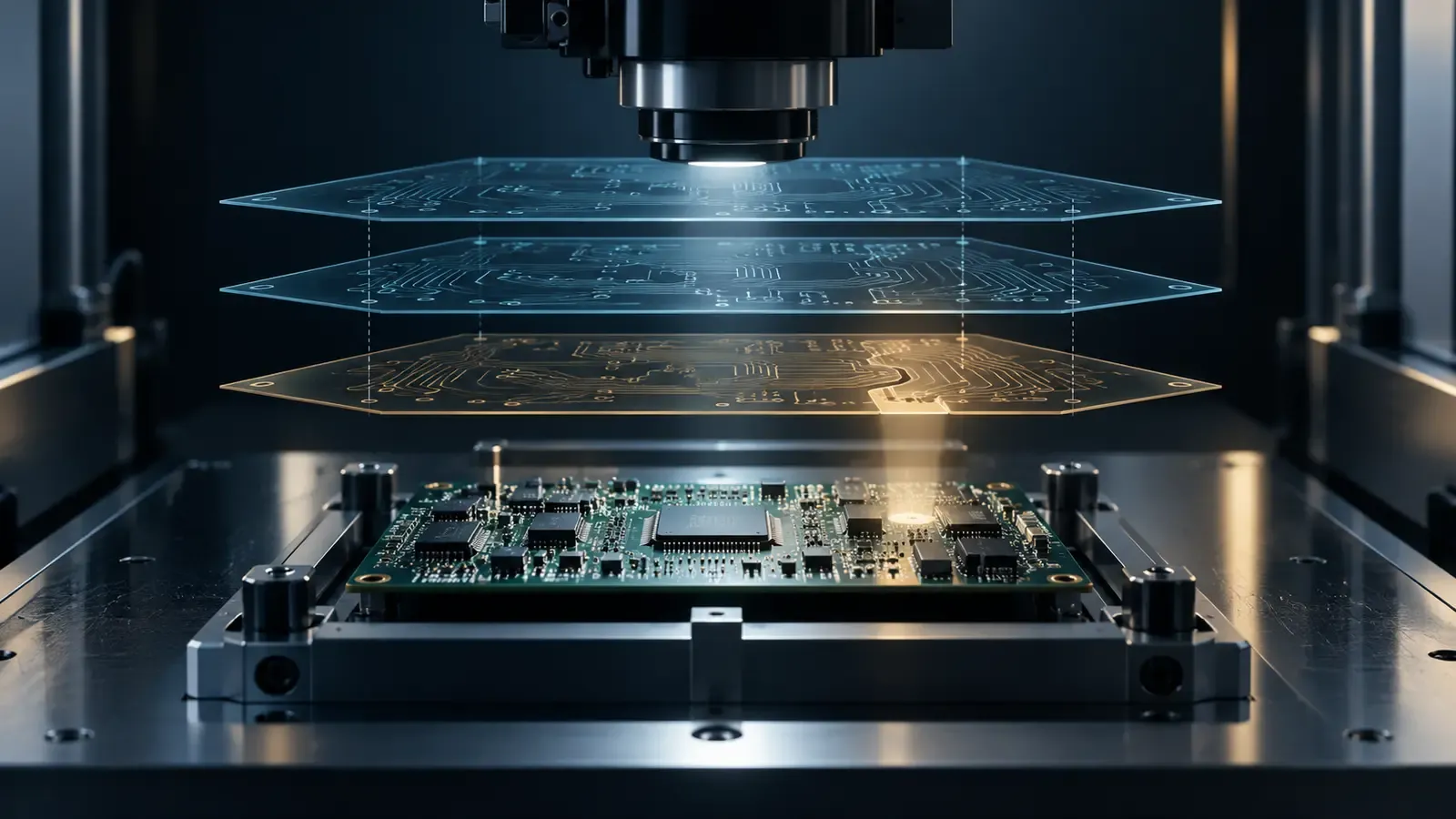
The Test Said Pass. Was It the Right Test?
A pass result is meaningful only when the product revision, test programme, limits, equipment and execution evidence are all valid for that unit.

Saturn
The Drawing Is Approved. Did the Workface Receive the Right Revision?
Drawing approval is not the end of document control. Teams need to know which revision reached each workface, when superseded information was withdrawn, and what was actually built.

Epicor
The Schedule Is Updated. Is the Shop Floor Working the Same Plan?
A revised schedule only creates value when planners, supervisors and operators all respond to the same priority logic at the same time.
Mars
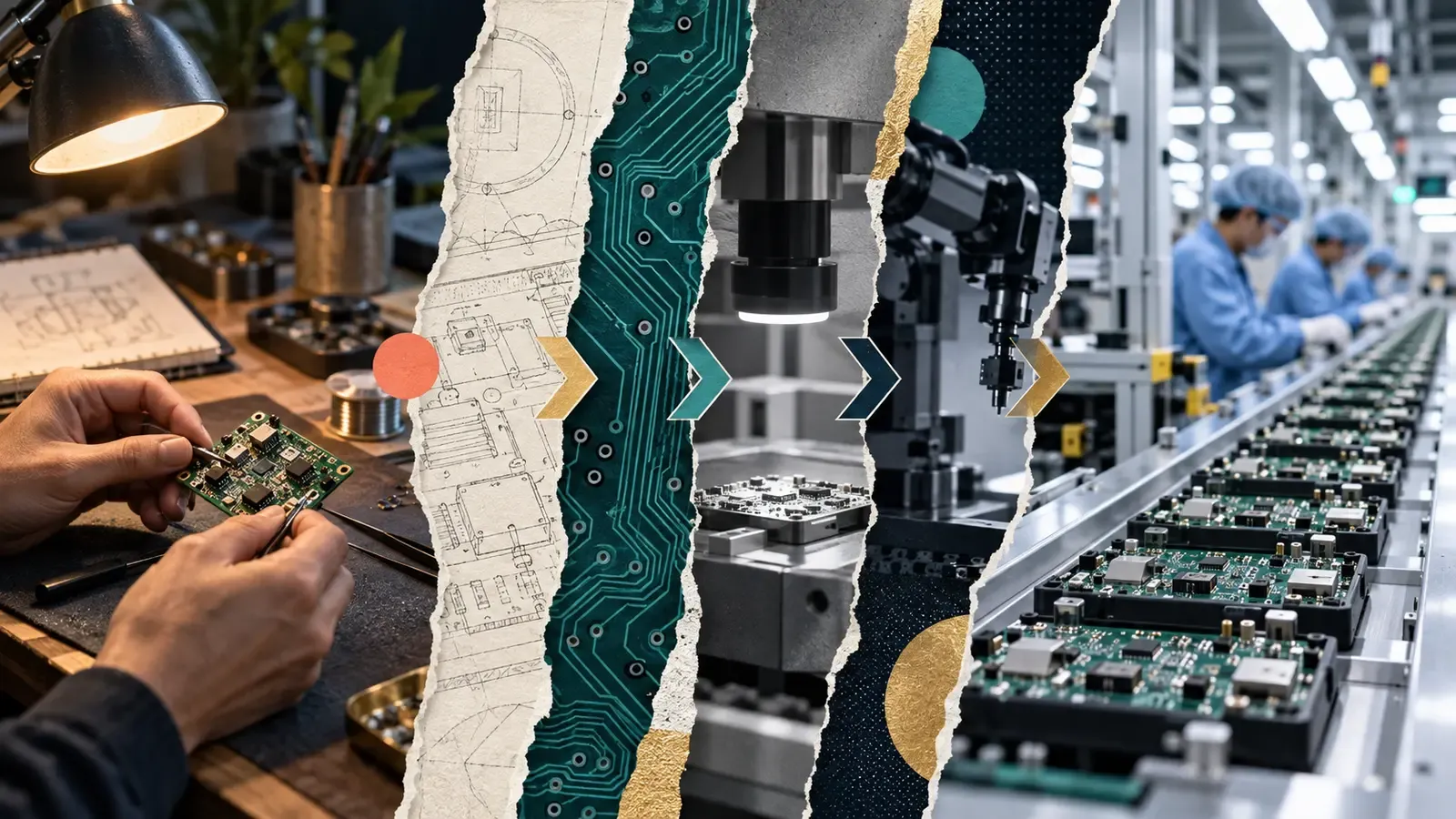
The Prototype Worked. Production Couldn’t Repeat It.
A successful prototype proves possibility, not repeatability. NPI must turn design intent into a released, measurable and executable production system.

Venus
A Sewing Line Is Available. But Is It the Right Line for This Order?
Nominal capacity can look reassuring while the wrong skills, machines, learning curve and changeover burden make an available line a risky production promise.

Jupiter
A Thousand Sheets Entered Finishing. How Many Good Cartons Came Out?
Input quantity is not finished quantity. Splits, spoilage, holds and rework must remain visible if a packaging plant wants to know what it can really ship.

Epicor
Epicor Connects the Business. Where Does Coordination Still Break Down?
For established Epicor users, the next improvement often comes from closing the handoff gaps between plan, engineering, supply, execution, quality and cash.

Venus
The Order Changed After Confirmation. Which Version Is the Factory Making?
A late buyer change is not one edit. It is a chain of commercial and operational consequences that must reach every owner before yesterday’s version becomes tomorrow’s output.

Mars
The Product Passed Every Gate. Why Did the Customer Still Find the Failure?
Quality is not a collection of green checkpoints. It is a connected system that preserves product definition, process evidence, exception decisions and learning from field performance.

Saturn
The Programme Is Updated. Is the Site Working to the Same Plan?
A current master programme is not enough if short-term plans, instructions, procurement, labour, plant and actual progress are working to different assumptions.

Jupiter
The Rush Job Didn’t Steal One Slot. It Moved the Whole Queue.
An urgent order rarely affects one press hour. Its plates, stock, approvals, finishing and transport needs can quietly rearrange every promise behind it.

Jupiter
The Calendar Says There Is Capacity. The Factory Says There Isn’t.
A print schedule can look comfortably open while its real capability, materials and downstream routes are already constrained. Capacity becomes useful only when it is specific.

Mars
The Customer Asked Where the Order Is. Which Answer Is True?
Delivery confidence depends on connected evidence across material supply, internal production, subcontractors, quality release and logistics—not a collection of optimistic dates.

Epicor
Head Office Runs Epicor. What Changes When the Next Plant Is in Asia?
An Asia rollout should preserve the global Epicor template while deliberately designing local legal, language, supply-chain, banking, support and adoption requirements.

Saturn
Every Project Is Green. Why Is Portfolio Margin Falling?
Portfolio dashboards fail when projects report against different definitions. Consistent forecast rules and exception evidence reveal margin movement before month-end.

Venus
The Exception Economy: Why Garment Factories Are Managed After the Plan Changes
The original plan rarely survives contact with a live apparel order. The real operating advantage lies in seeing, valuing and resolving exceptions before they become delivery and margin surprises.

Saturn
The Claim Was Submitted. Why Is Cash Still Waiting?
Cash follows evidence, valuation, certification and contract timing—not simply invoice creation. Project and finance teams need one view from installed work to receipt.

Epicor
The Dashboard Is Green. Are Teams Looking at the Same Operational Truth?
Dashboards create value only when teams agree on the population, timing and transaction meaning behind each KPI—not when every department publishes its own green chart.

Mars
The Yield Looks Good. The Rework Cost Says Otherwise.
A final pass rate can look healthy while repeated touch-up, retest, diagnosis and component replacement quietly consume margin and capacity.

Jupiter
The First Good Sheet Arrived Late—and Took the Job’s Margin With It
Makeready loss is more than setup minutes: plates, colour, substrate, approvals and trial sheets combine before saleable production can begin.

Venus
Can You Trace This Order Before the Buyer Calls?
Traceability becomes operational when a team can move from shipment to order, factory, material lot and decision history quickly—before a buyer escalates.

Epicor
The Customization Works. Will the Next Upgrade Still Be Easy?
Customization becomes technical debt when nobody can explain why it exists, what it touches, whether standard capability replaced it and how it will be tested at the next upgrade.

Jupiter
The Press Finished on Time. Why Does Finishing Still Own the Delivery Date?
A printed sheet is not a deliverable. Cutting, folding, laminating, die-cutting, gluing, inspection and packing often decide whether the promise survives.

Venus
The 9 A.M. Production Meeting a Connected Factory Shouldn’t Need
The daily status meeting often exists to reconstruct yesterday. Connected production data changes it from a reporting ritual into a short decision forum.

Mars
Does the Serial Number Survive the Rework Bench?
Product genealogy loses value when failed units leave the normal route and their repair, replaced component, retest and release evidence become detached.

Saturn
The Subcontractor Is Busy. Who Owns the Delay?
Subcontract performance depends on clear obligations, current information, access, predecessor completion and evidence. A simple late status cannot allocate responsibility.

Epicor
The Service Call Happens Away from ERP. Does the Record Come Back Complete?
Field service becomes part of the ERP operating model only when technician activity, parts, evidence, customer acceptance and billing triggers return as one complete service record.

Mars
One Missing Reel Moved the Entire SMT Plan.
A schedule is only executable when materials, programmes, tooling, feeders, people and downstream capacity agree at the same moment.

Jupiter
The Offcut Is Small. The Margin Leak Is Not.
Paper and board waste becomes commercially meaningful when size, grain, layout, trim and purchasing decisions remain separated from job economics.

Saturn
The Purchase Order Is Placed. Is the Material Ready for Site?
A placed order is only the start. Required-on-site dates, approvals, fabrication, inspection, logistics, storage and installation sequence determine real material readiness.

Venus
When Two Factories Both Say ‘On Schedule’
The same green status can describe two very different factories: one has stable flow, while the other is borrowing time from overtime, queues and tomorrow’s capacity.
Mars
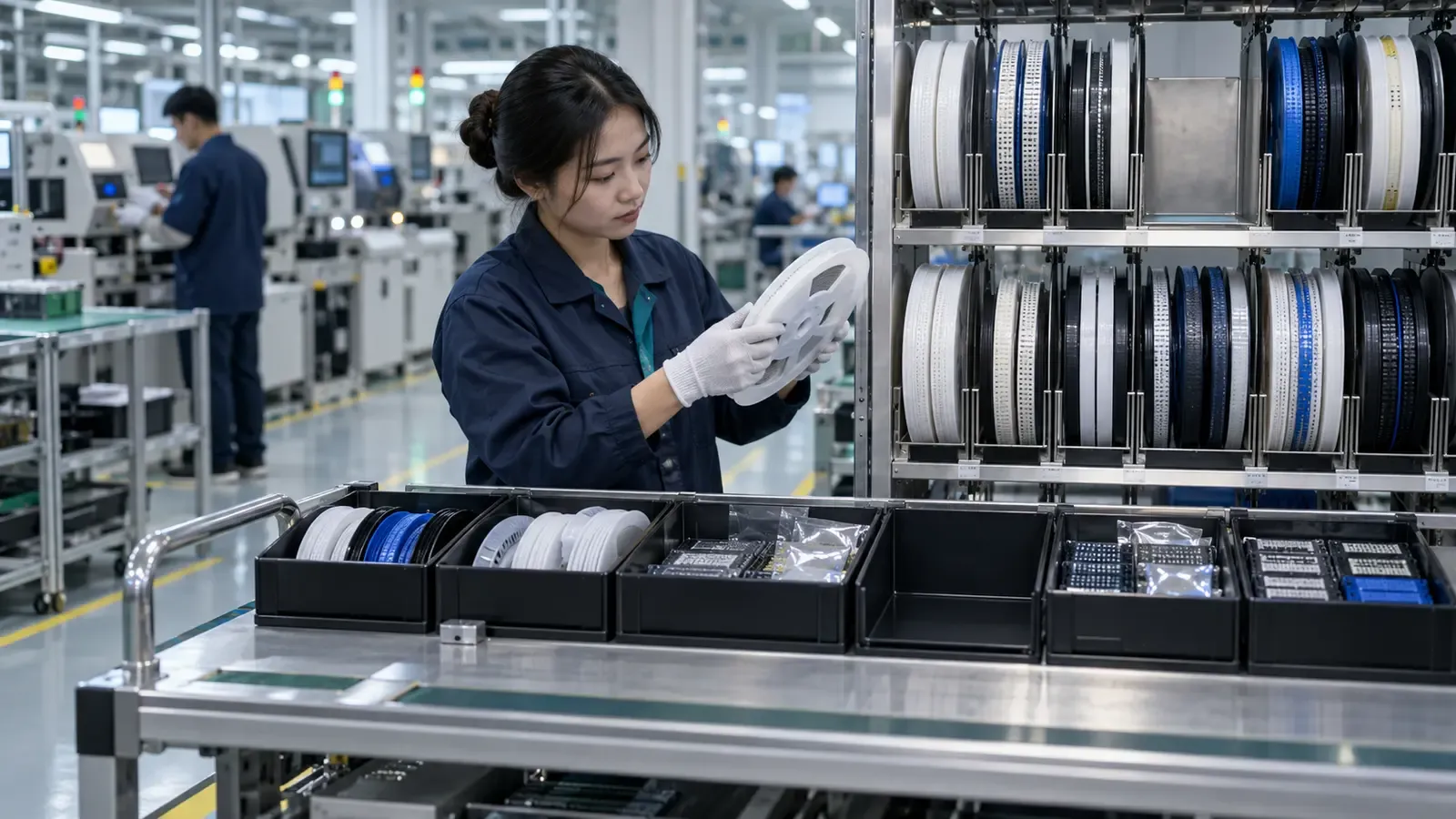
The Components Are in Stock. Why Isn’t the Kit Ready?
Inventory availability is not production readiness when quantities are unallocated, quarantined, on the wrong reel, at another site or missing an approved substitute.

Epicor
Your ERP Is Standard. Should Every Industry Process Be?
Existing Epicor users can preserve a standard platform while still formalizing repeatable industry workflows that generic ERP transactions do not fully describe.

Venus
The Fabric Is in the Warehouse. So Why Can’t Cutting Start?
Physical inventory is not the same as production-ready material: allocation, shade, inspection, width, shrinkage and order status all determine whether cutting can begin.

Jupiter
One Sheet, Four Jobs, Too Many Promises: The Hidden Logic of Gang Runs
Gang running can improve substrate yield, but one shared sheet also couples deadlines, colour expectations, quantities and change decisions across jobs.

Saturn
Site Progress Says 70%. Cost Says Otherwise.
Progress percentages become useful only when linked to measurable quantities, installed work, remaining effort and the same cost structure used by the forecast.

Jupiter
Everyone Approved the Artwork. The Press Still Received the Wrong Version.
Artwork approval is not complete until the accepted revision, production file, job ticket and downstream instructions all point to the same truth.

Epicor
One Epicor Template, Several Countries. What Should Stay Global—and What Must Stay Local?
Multi-country Epicor programmes work best when shared business meaning stays global while legal, language and operating differences are localized deliberately.

Venus
One Shade of Blue, Three Versions of the Truth
When a colour revision lives differently in the buyer file, bill of materials and factory plan, the error is not merely administrative—it travels into purchasing and production.
Saturn
One Variation, Four Versions of the Truth
A variation affects scope, programme, cost and billing at different speeds. One controlled record prevents commercial entitlement from separating from delivery reality.

Mars
The Part Number Matches. The Manufacturing Risk Does Not.
Interchangeability on paper can hide manufacturer, revision, date-code, compliance and customer-approval differences that matter on the line.

Venus
The Bestseller That Quietly Loses Money
A high-volume style can be commercially successful and financially disappointing at the same time when its cost story fragments across revisions, waste, overtime and freight.

Mars
The BOM Changed. The Purchase Order Didn’t.
An engineering revision becomes operational only when every affected demand, purchase, kit, instruction and work order is identified and controlled.

Epicor
Inventory Is in Epicor. Is Warehouse Execution Happening at the Point of Work?
Inventory control becomes more reliable when receiving, putaway, issue, transfer, picking and shipment are recorded where the physical movement occurs.

Jupiter
The Quote Was Exact. The Print Job Wasn’t.
A precise selling price can rest on assumptions that disappear when artwork, substrate, finishing and delivery requirements become real.

Saturn
The Tender Was Won. Did the Estimate Survive Handover?
Winning a tender should not trigger a manual rebuild. Estimate quantities, rates, assumptions, risks and exclusions must become the project’s first controlled baseline.

Epicor
Epicor Is Live. Where Does the Next Operational Gain Come From?
For established Epicor users, the next gain often comes from closing the gap between operational reality and the ERP record—not adding another layer of disconnected work.

Venus
Inside the Invisible Factory: Where Garment Orders Lose Time, Margin and Control
A garment order can look healthy in a spreadsheet while delays, excess cost and conflicting decisions accumulate between merchandising, materials, production and finance.

Mars
One Product, Hundreds of Decisions. Can Your Factory See Them All?
An electronic assembly is not only a BOM and routing. It is a living chain of revisions, approved parts, material lots, machine events, test results, rework decisions and shipment promises.

Saturn
The Project Is On Budget. Which Version of the Budget?
A project can appear healthy against an obsolete baseline. Reliable control connects tender assumptions, approved changes, commitments, actual cost, progress and forecast.

Jupiter
The Shape-Shifting Print Job: What Changes Between Quote and Shipment
A printing or packaging job rarely stays exactly as quoted. The operational challenge is keeping every revision, material decision and production promise connected.