

Venus
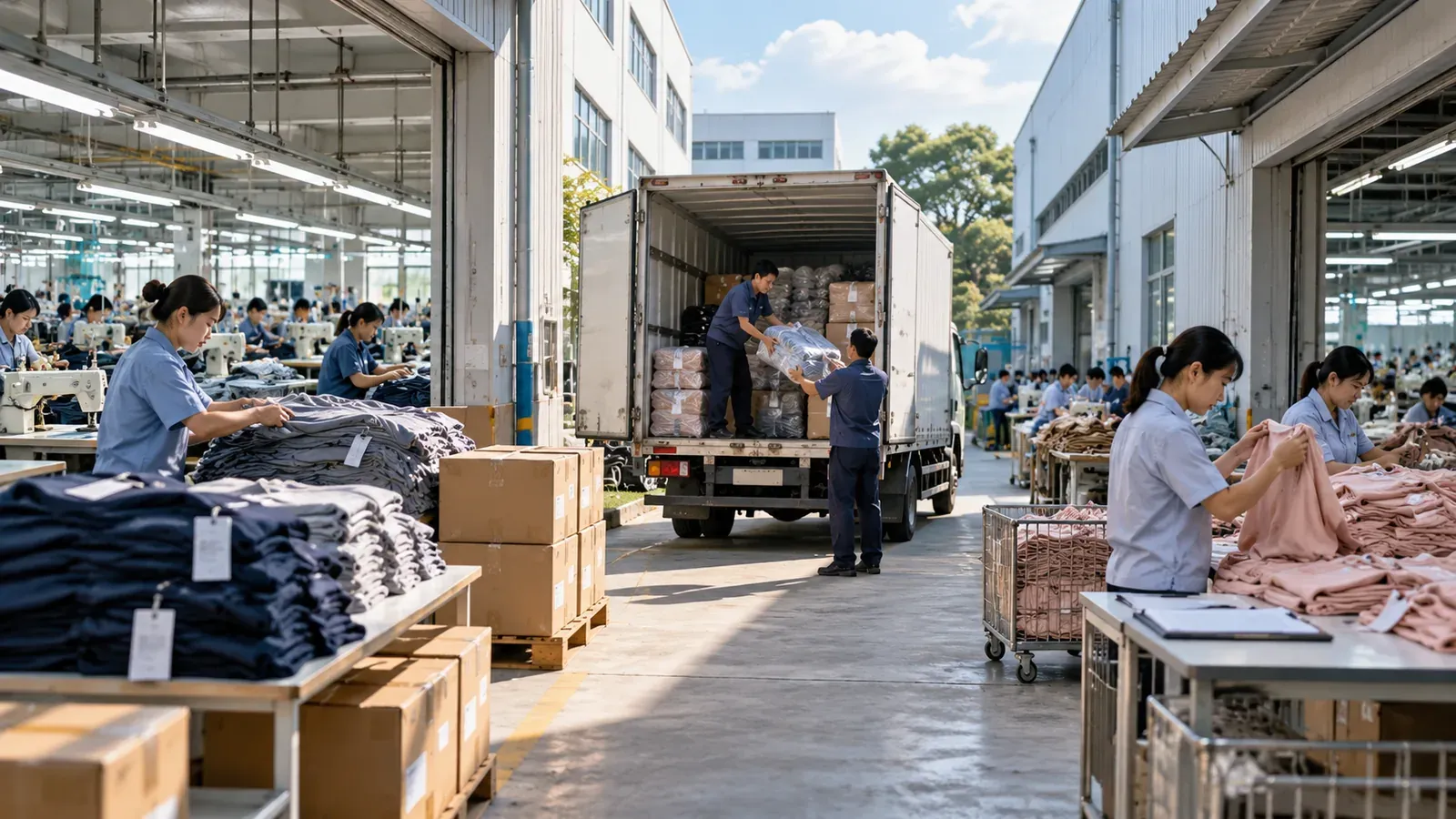
Subcontracting Solves Capacity. How Do You Keep Cost, Quality and Traceability in Control?
Subcontracting can protect delivery, but it also creates a boundary where order identity, material movement, quality evidence and actual cost can fragment unless the partner remains inside the same garment-order control model.
Venus
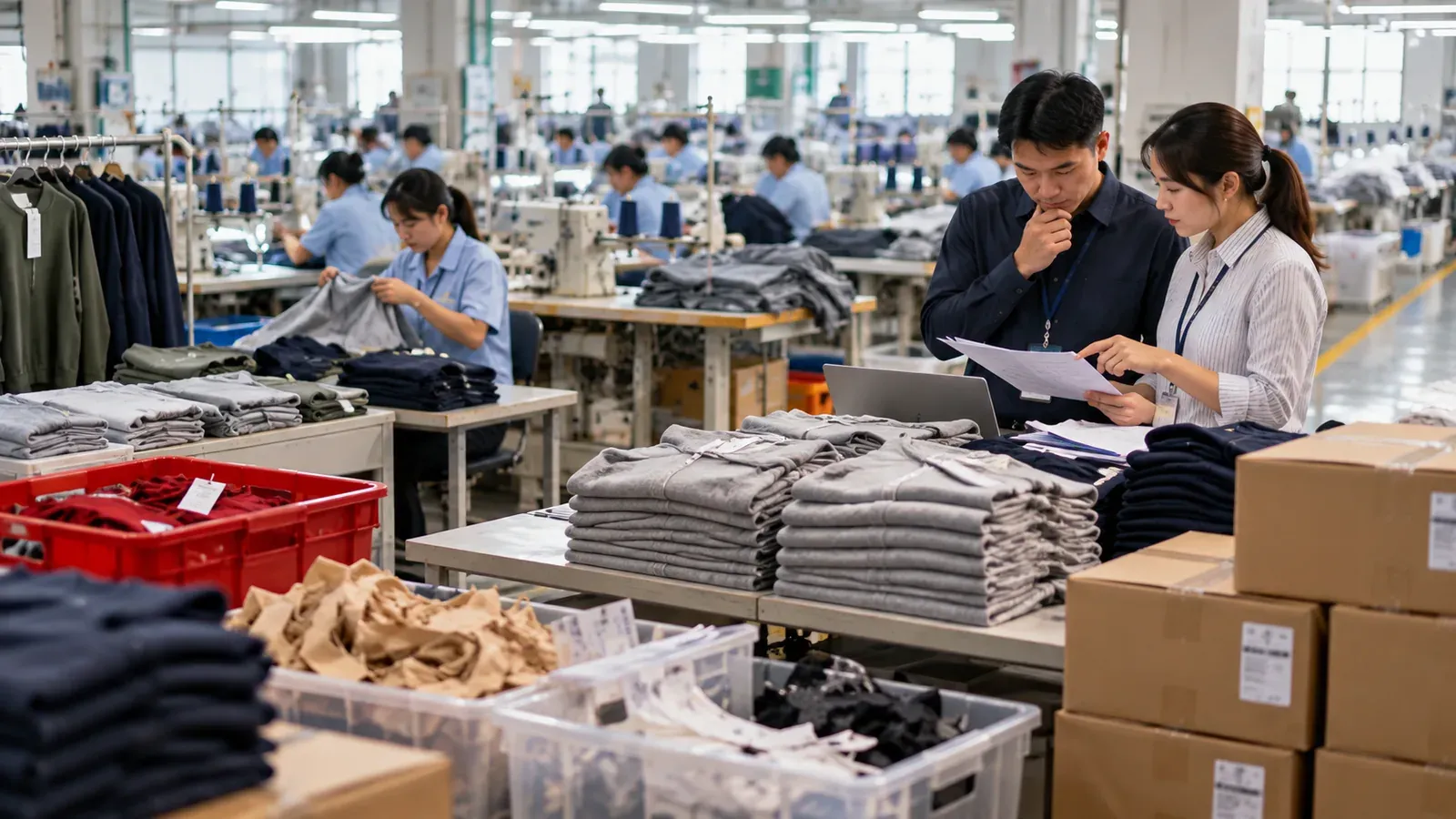
The Factory Hit the Quantity. Why Did the Order Still Lose Margin?
Shipped quantity does not explain profitability. Actual fabric use, labor efficiency, overtime, rework, subcontracting and logistics can move the margin even when output targets are met.

Venus
The Buyer Changed the Order. Which Cost and Production Assumptions Are Now Wrong?
A buyer change is not just a revised sales order. It can invalidate consumption, purchasing, capacity, packaging, delivery and margin assumptions unless the impact is carried through the operating model.
Venus
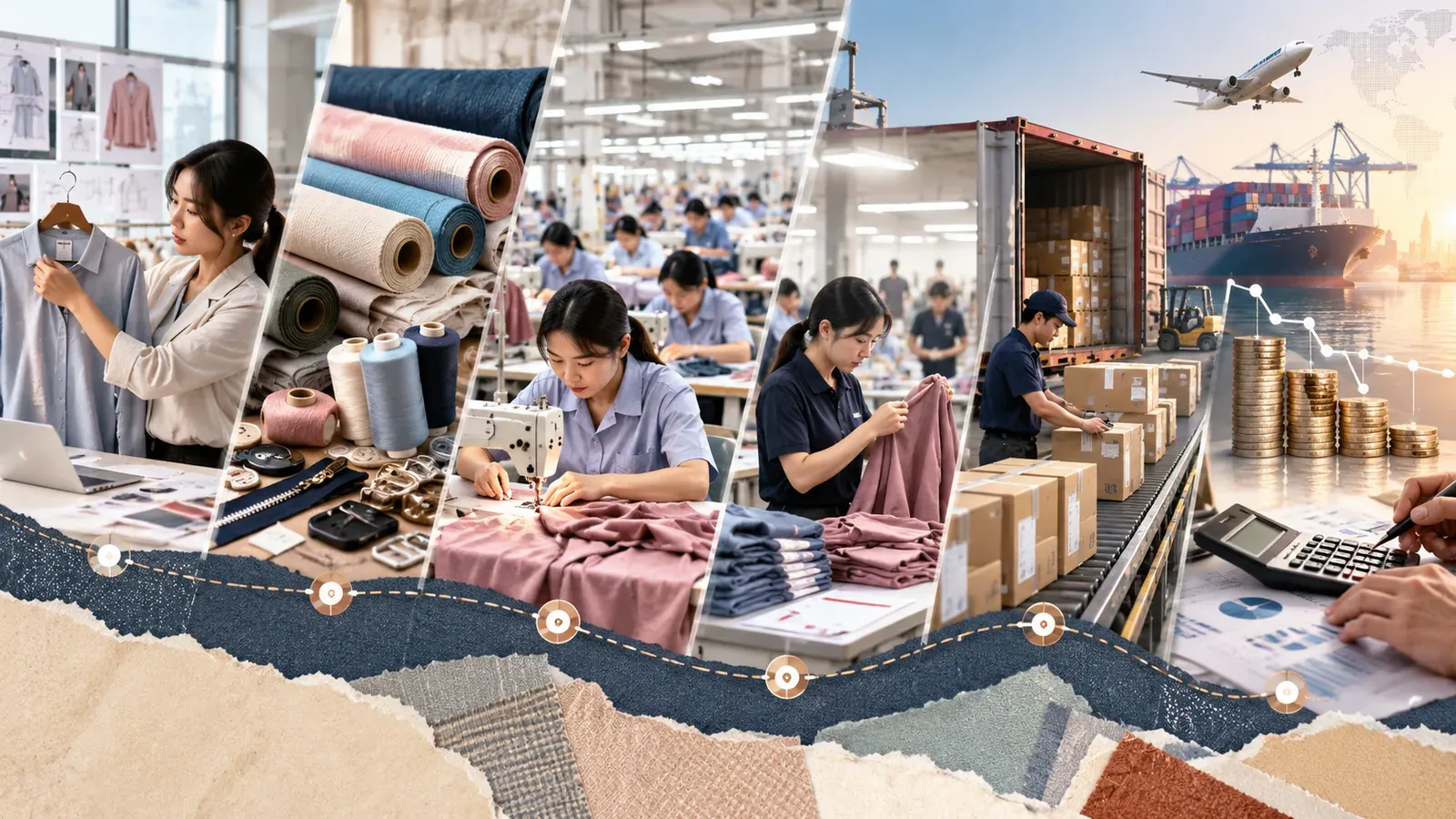
The Order Was Profitable When It Was Confirmed. Is It Still Profitable Now?
Garment margin rarely disappears in one dramatic event. Buyer changes, material variance, learning loss, rework, subcontracting, split production and shipment decisions can gradually pull a profitable order away from its original commercial logic.

Venus
Digital Product Passports Are Coming for Textiles. Is Your Garment Data Ready?
Textile Digital Product Passport readiness begins long before a QR code. Manufacturers need dependable product identity, material, supplier, traceability and evidence relationships across the operational systems already running the business.
Venus
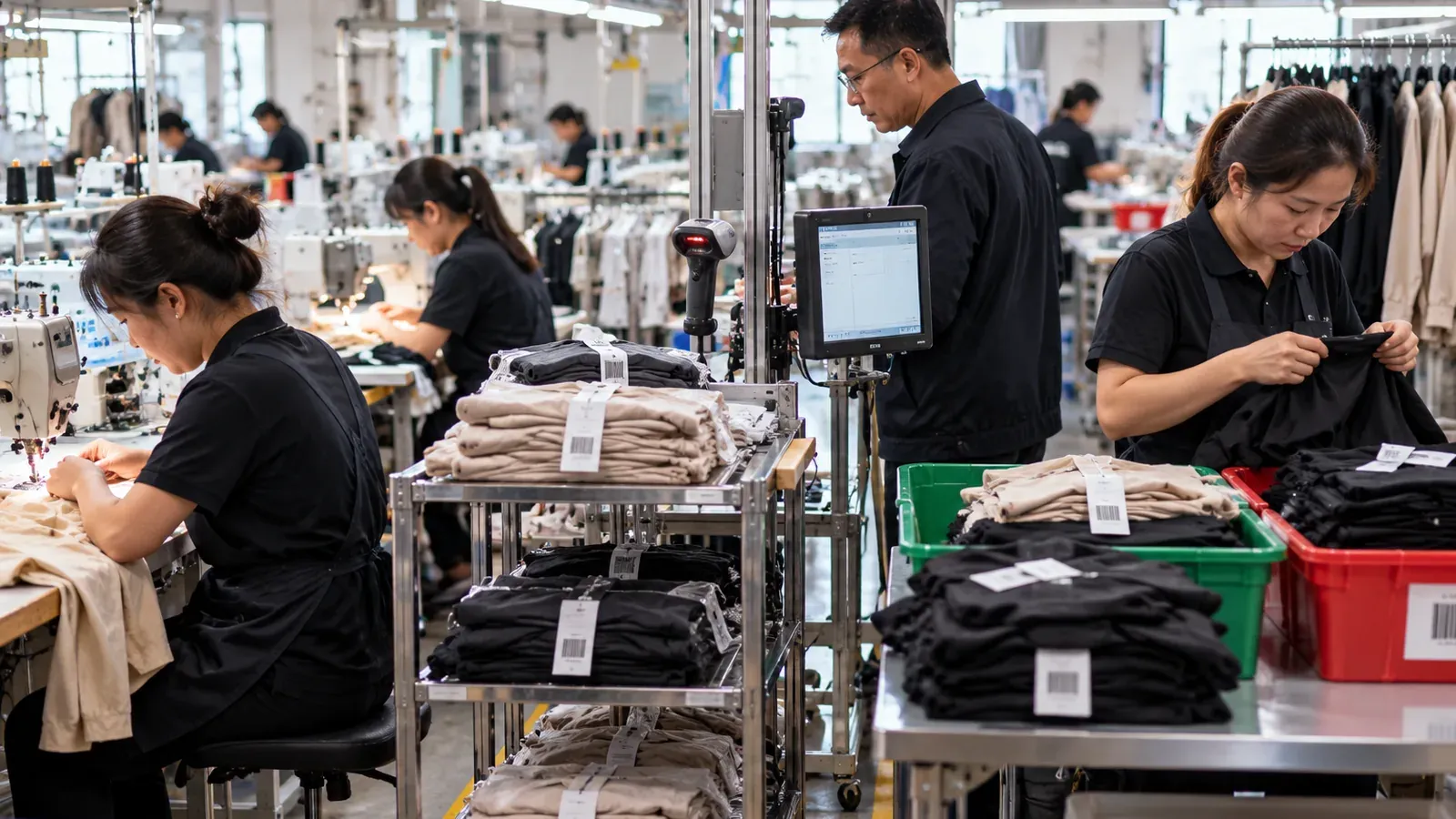
Output Is Being Reported. Can Management Trust the WIP Picture?
Shopfloor reporting becomes decision-grade only when quantities are tied to the right order, operation, bundle, time and quality state. WIP data is valuable when it explains where flow is building, ageing or becoming unreliable.

Venus
The Production Plan Fits on Paper. Why Does the Line Still Miss the Delivery Window?
A garment production plan can balance mathematically and still fail operationally. Material readiness, line capability, changeovers, learning curves, bottlenecks and actual shopfloor performance determine whether planned capacity is real.
Venus
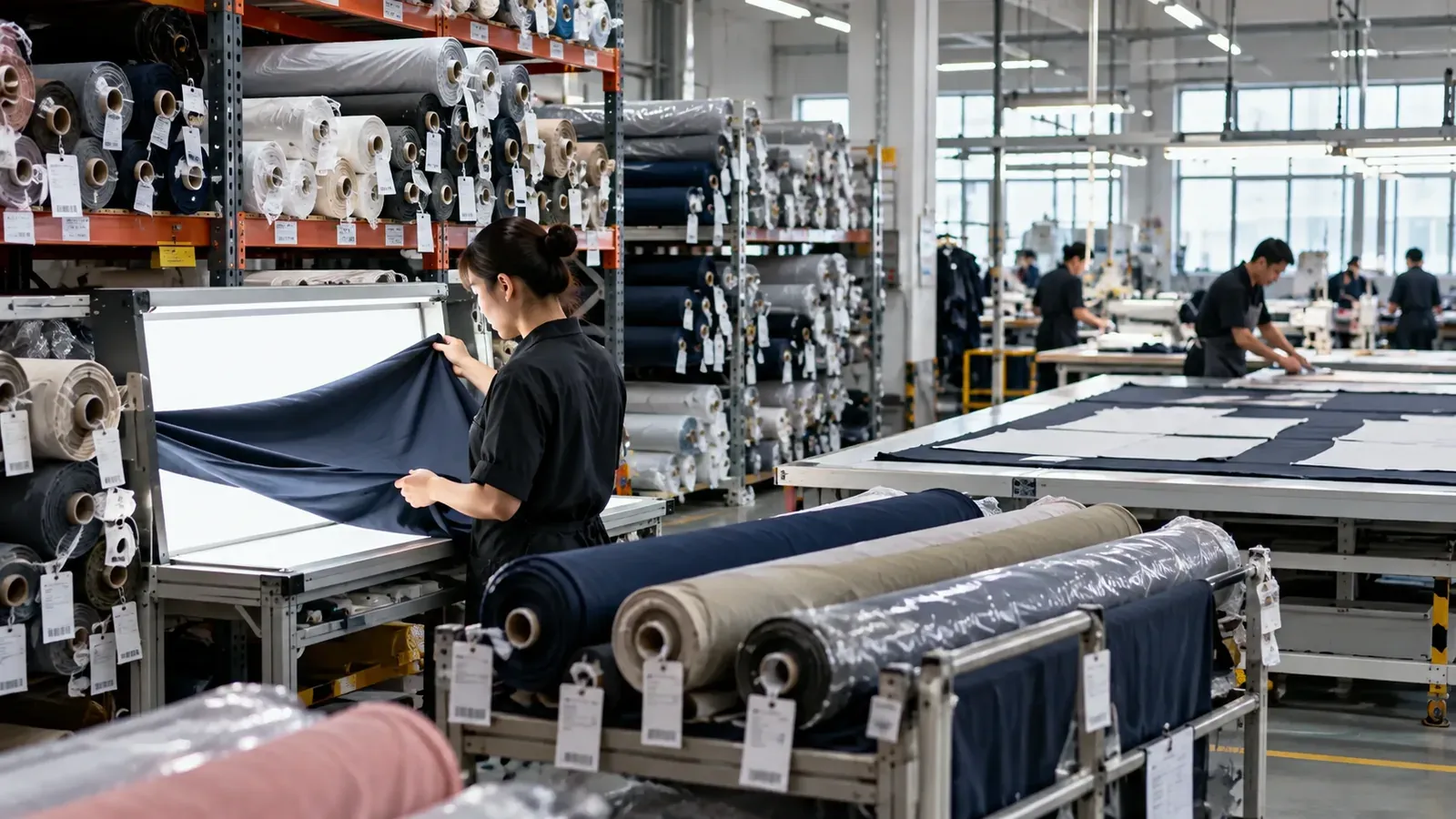
The Fabric Is in Stock. Why Is the Order Still Not Ready to Cut?
Inventory quantity is not cutting readiness. Shade, width, shrinkage, inspection, relaxation, allocation, location and order reservation determine whether the cutting room can safely use the fabric now.
Venus
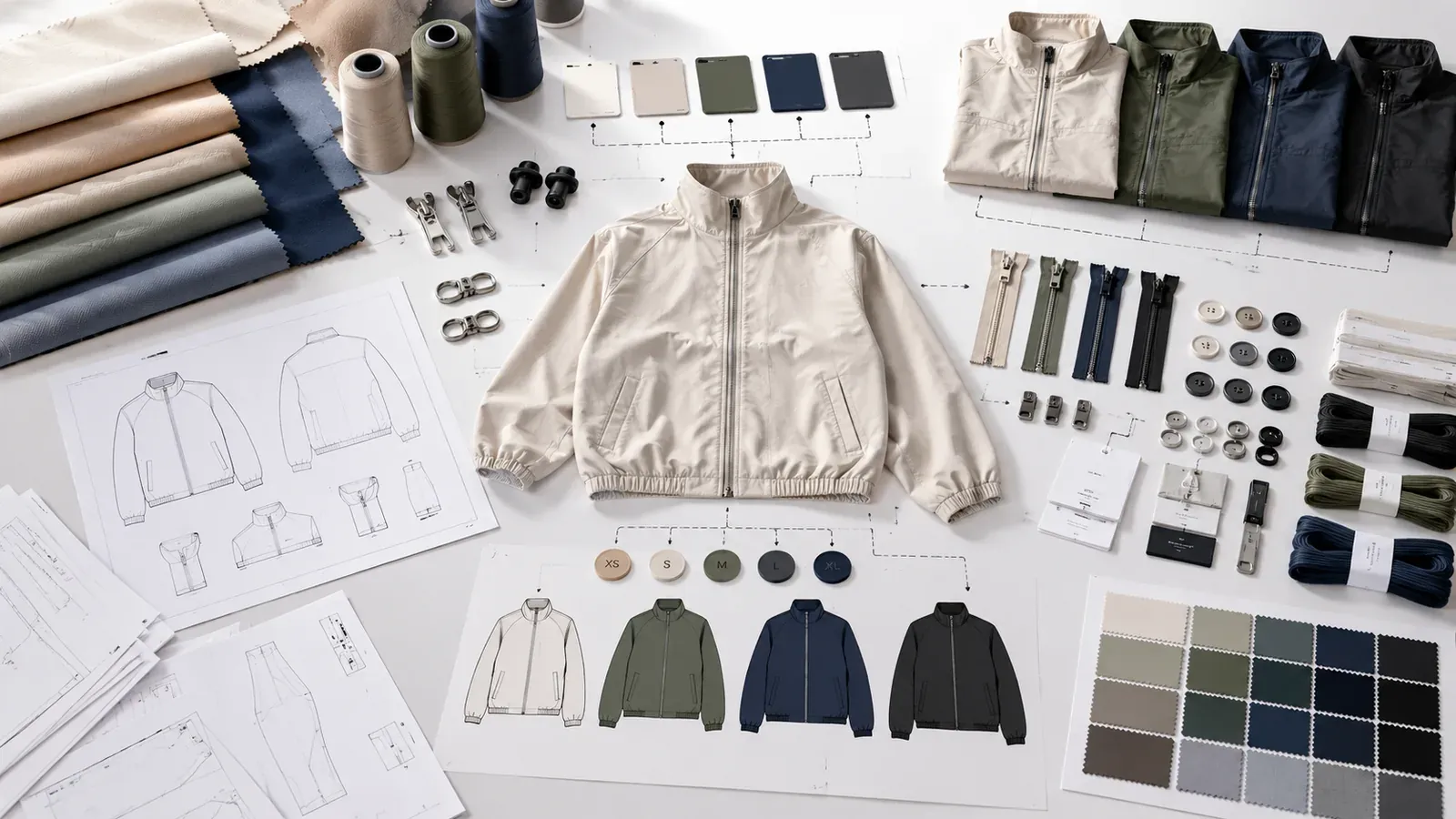
One Style, Dozens of Color-Size Combinations. Where Does BOM Accuracy Break?
Garment BOM errors rarely come from a missing basic BOM. They emerge where style revisions, color-size matrices, substitutions and consumption assumptions meet real buying and production.

Venus
The Sample Was Approved. Why Is Production Still Working from the Wrong Version?
Sample approval only protects production when measurements, materials, buyer comments and revisions move forward as one controlled version. The real risk is not an unapproved sample—it is a factory executing yesterday’s truth.
Venus
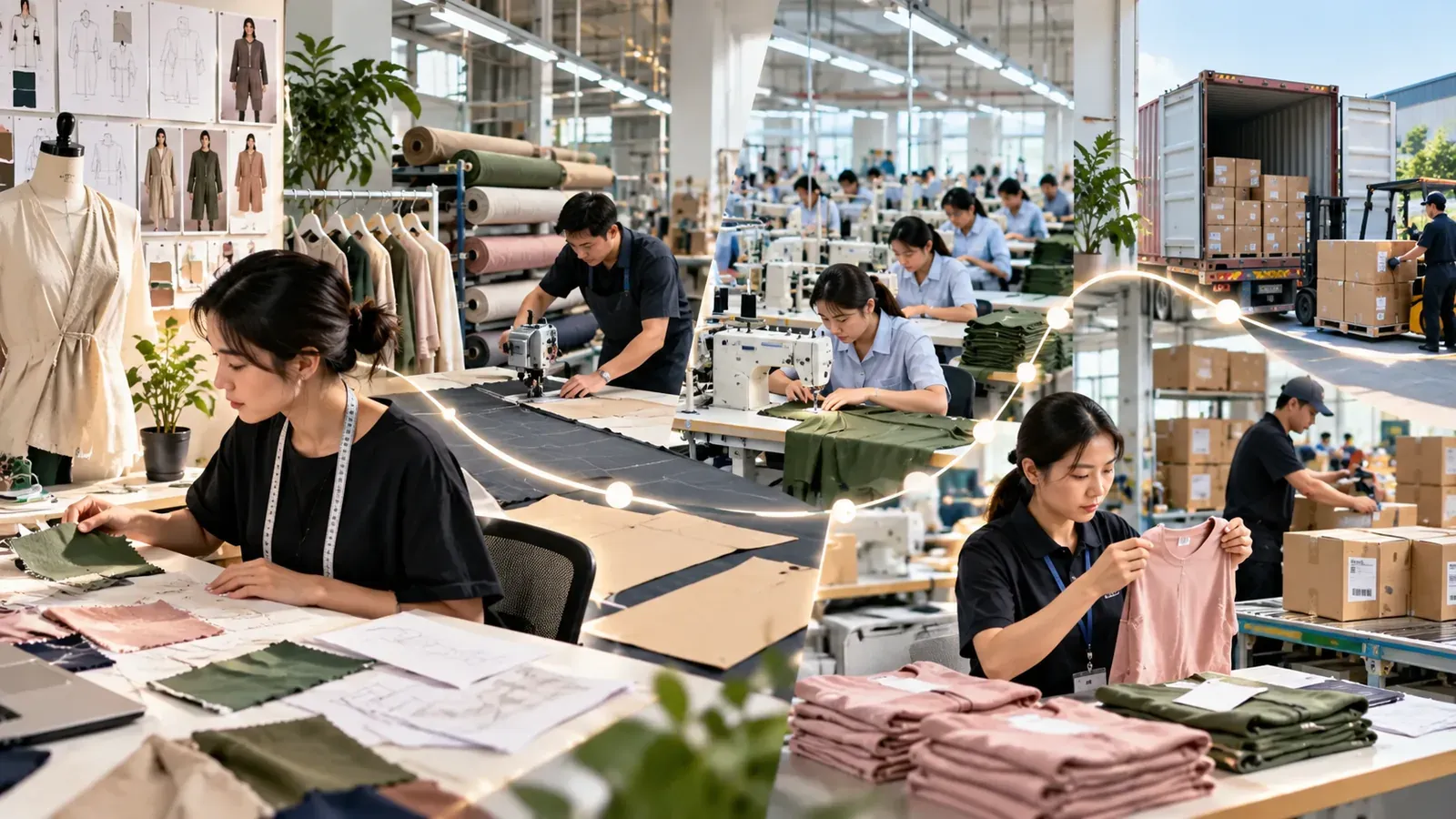
From Sample to Shipment: Where Does Garment Manufacturing Lose Operational Control?
A practical framework for garment manufacturers to connect style, material, capacity, shopfloor and traceability decisions before small gaps become delivery problems.

Venus
The Month-End Review That Should Change How the Factory Runs Next Month
A performance review creates value only when repeated waits, rescues and assumptions become specific changes to the next operating cycle.