

Jupiter
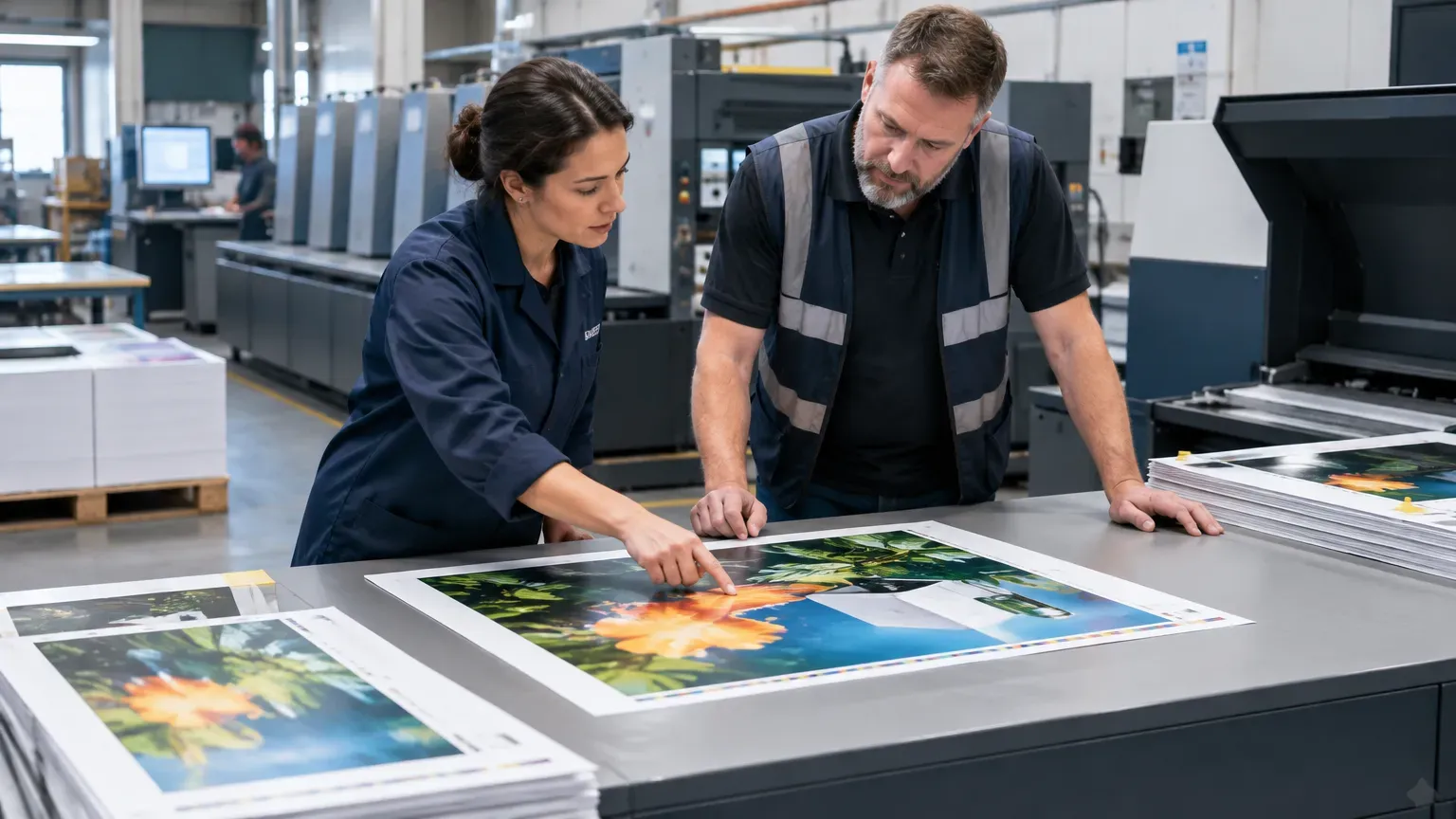
Which Artwork Version Is Approved—and How Do You Stop the Wrong One Reaching Press?
Artwork version errors can survive quotation, proofing and prepress if approval status and file lineage are unclear. Printing teams need one controlled version chain from customer revision to production release.
Jupiter
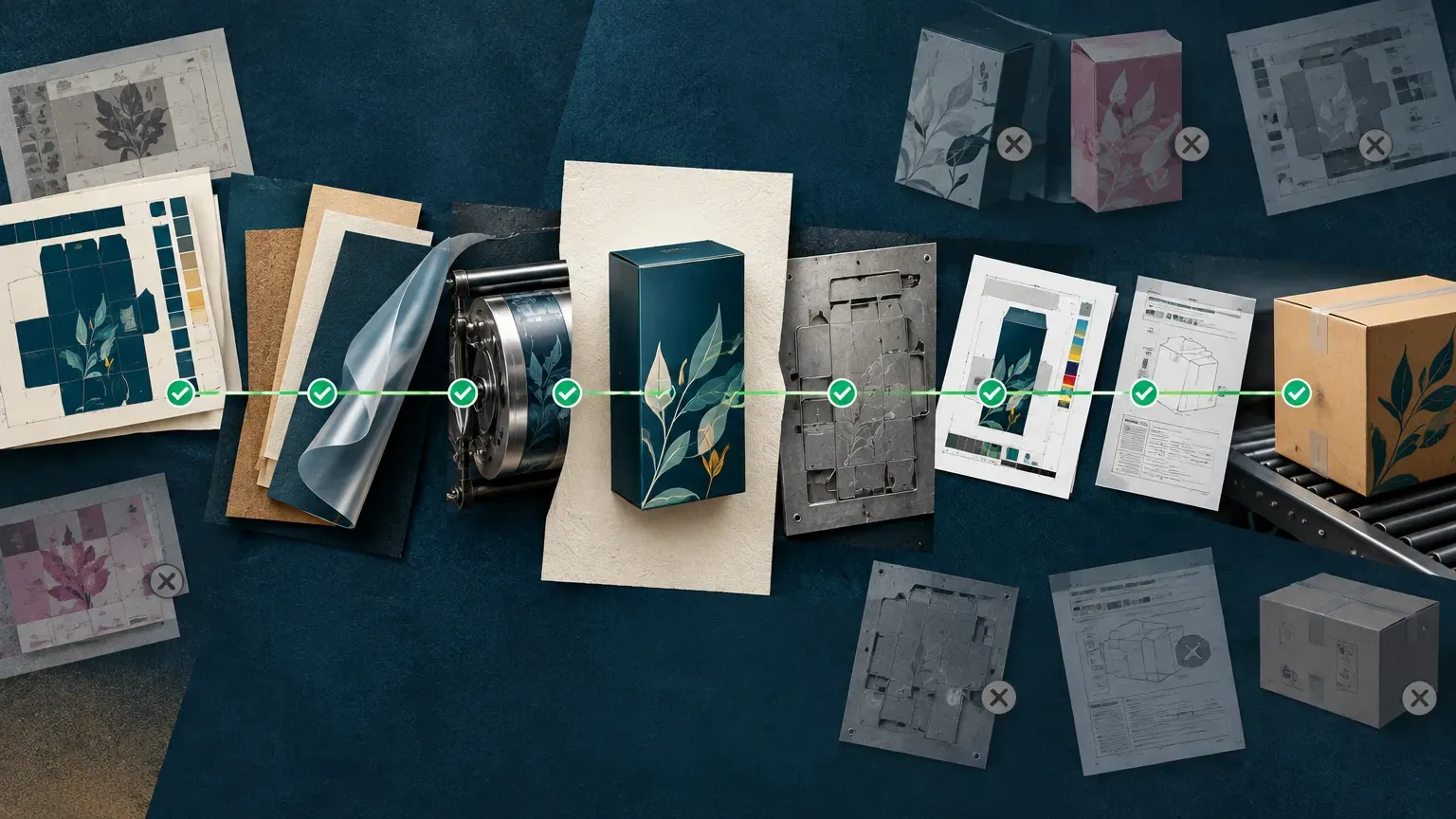
The Customer Changed the Job Again. How Do You Keep Specs, Cost and Production Aligned?
Printing and packaging jobs change after quotation. A controlled operating model keeps artwork, specifications, materials, tooling, approvals, cost and production instructions aligned so the latest customer decision reaches every downstream process.
Jupiter
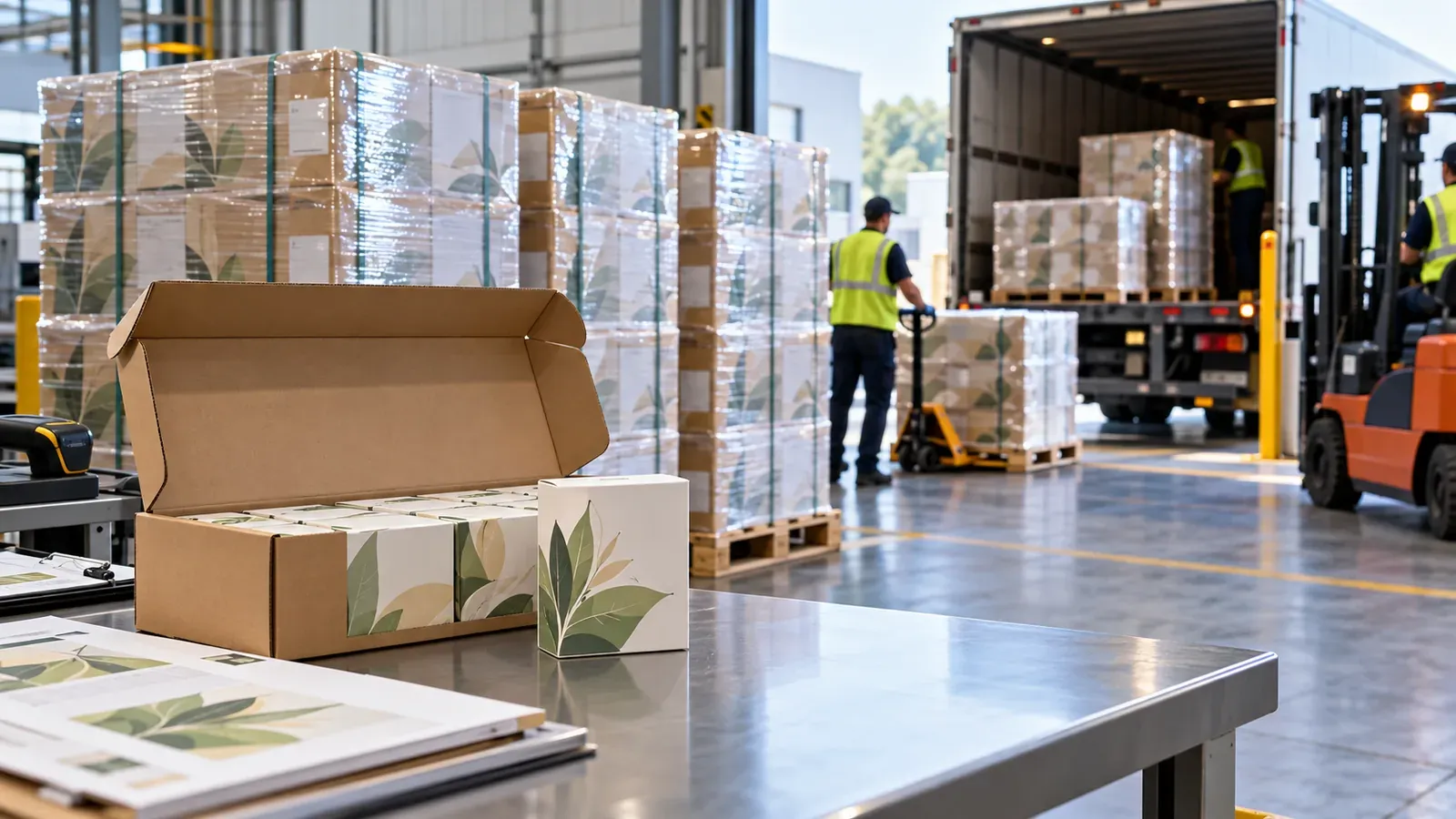
The Product Shipped. Can You Prove Which Artwork, Material and Change History Reached the Customer?
Shipment confidence depends on more than quantity confirmation. The business must be able to prove which approved version, material and release path were actually packed and loaded.

Jupiter
A Repeat Order Returned. Can You Reuse the Last Job Safely or Must You Rebuild the Setup?
Repeat work saves time only when the prior setup is still valid. The team must confirm whether the customer expectation, material batch, artwork, process route and tooling condition still match the previous job.

Jupiter
Plates, Dies and Files Are Ready. How Do You Release Only the Correct Combination to Production?
Production readiness is not about checking boxes independently. The release decision must confirm that the approved file, plate, die, substrate and routing belong together for the same version and job context.
Jupiter
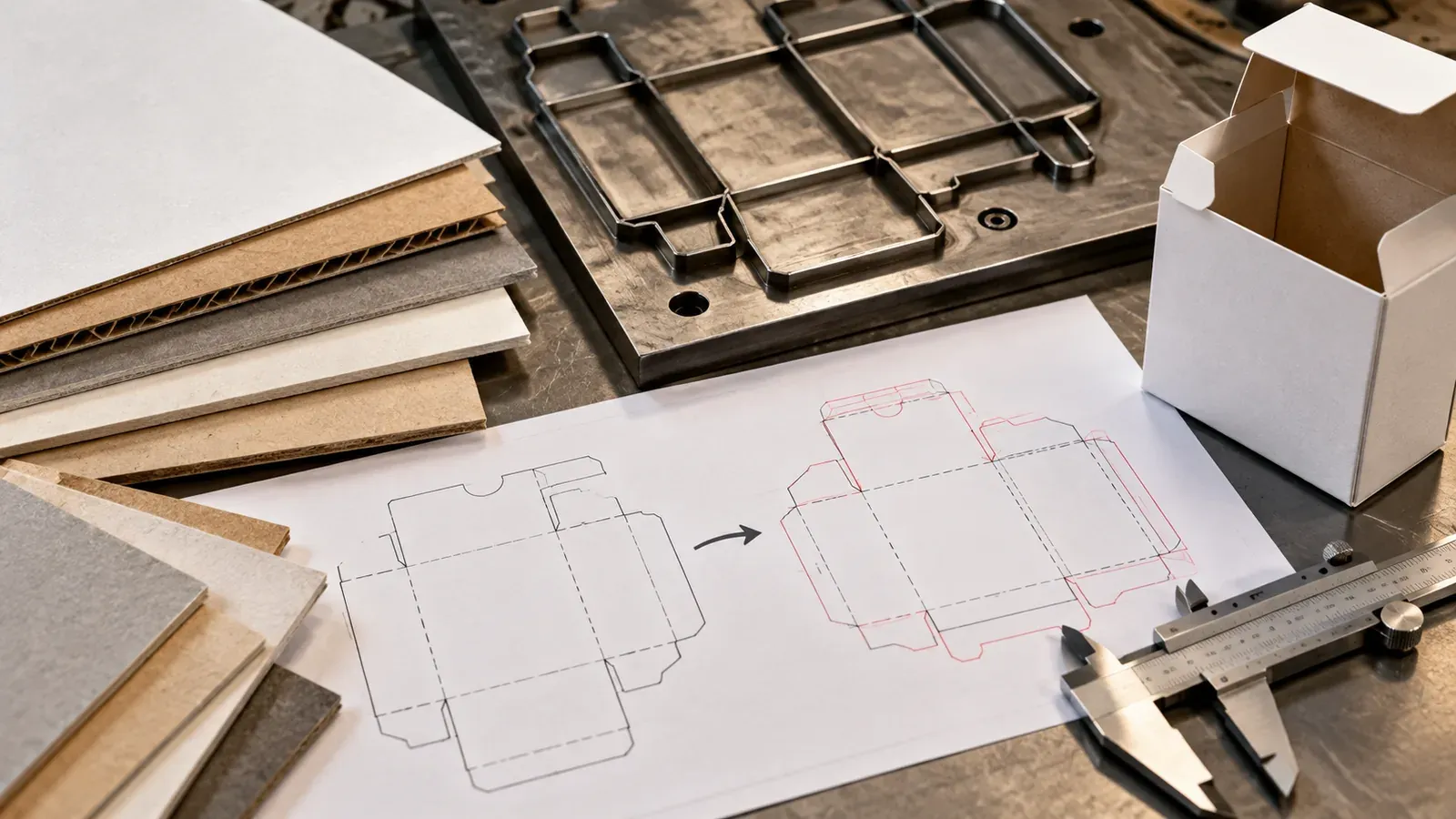
The Layout Changed After Quotation. Which Material and Die Assumptions Are No Longer Reliable?
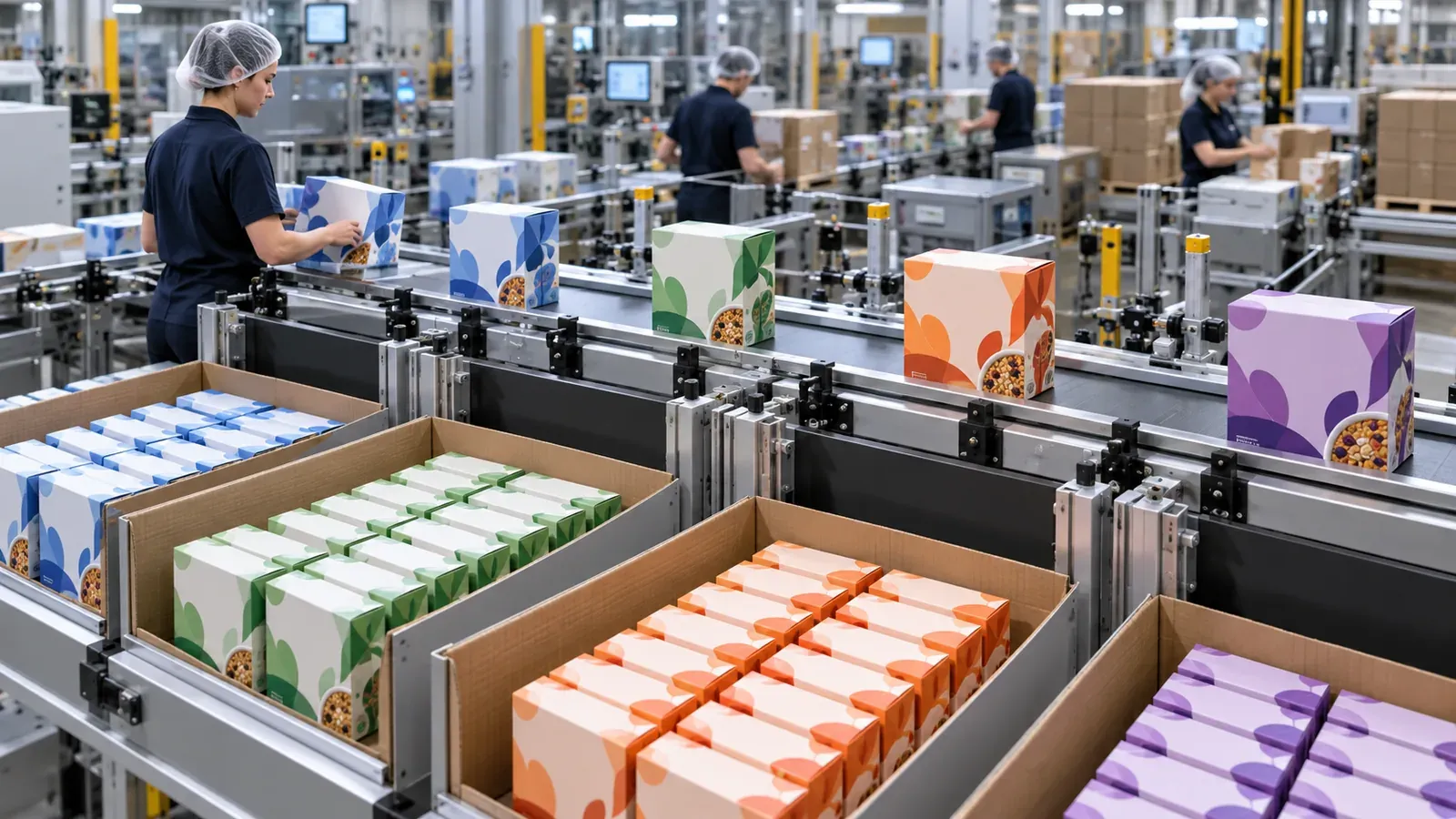
A structural or layout change can alter board yield, die geometry, fit, glue areas and converting behaviour. Treating it as a simple artwork revision can hide cost and execution risk until production begins.
Jupiter
One SKU, Three Language Versions. How Do You Prevent Version Mix-Ups on the Shop Floor?
Version errors often happen when similar jobs share artwork families, common materials or neighbouring machine time. Prevention depends on disciplined release, physical separation, clear identification and controlled packing logic.

Jupiter
The Customer Approved a Change. Which Job Assumptions Must Be Revalidated Before Press Start?
A customer-approved change does not make the job production-ready by itself. Teams still need to revalidate every assumption that depended on the previous version, from substrate and colours to finishing, routings and release conditions.
Jupiter
How Do Change and Version Decisions Create Hidden Risk in Printing and Packaging?
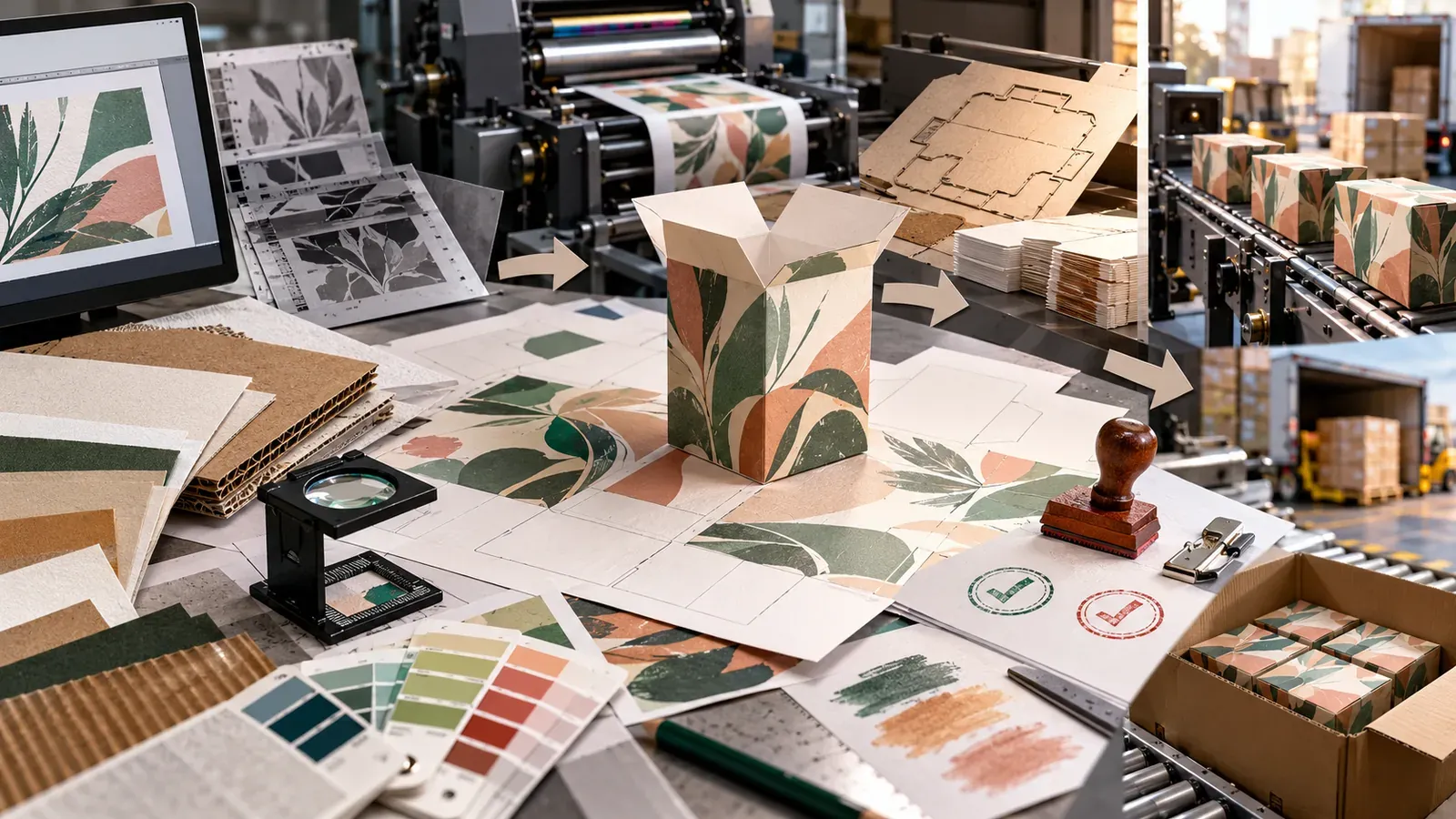
In printing and packaging, the visible revision is only part of the risk. A changed artwork, structure, substrate or release instruction can quietly invalidate dies, plates, routings, approvals, stock allocations and shipment controls unless every downstream assumption is rechecked.

Jupiter
The Job Passed Inspection. Can You Prove Which Version and Material Were Shipped?
Quality release is stronger when the factory can trace the shipped product back to the approved artwork, material batch, production events and inspection evidence.
Jupiter
A Reprint Was Required. How Do You Stop the Same Failure Happening Again?
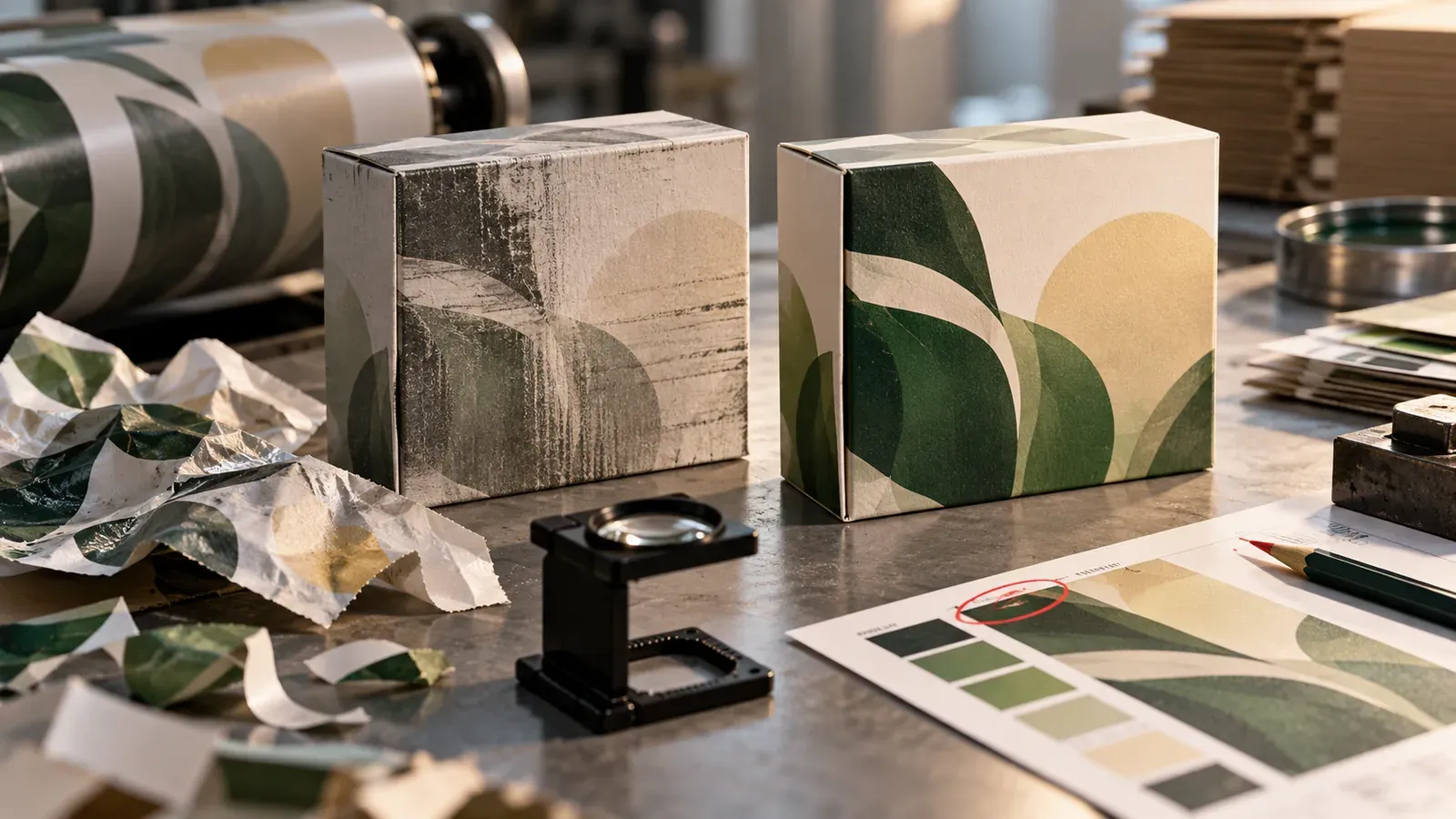
Rework data becomes valuable only when the factory records what failed, where it originated and which condition allowed the defect to escape.
Jupiter
The Print Is Good. Why Do Quality Problems Appear in Finishing?
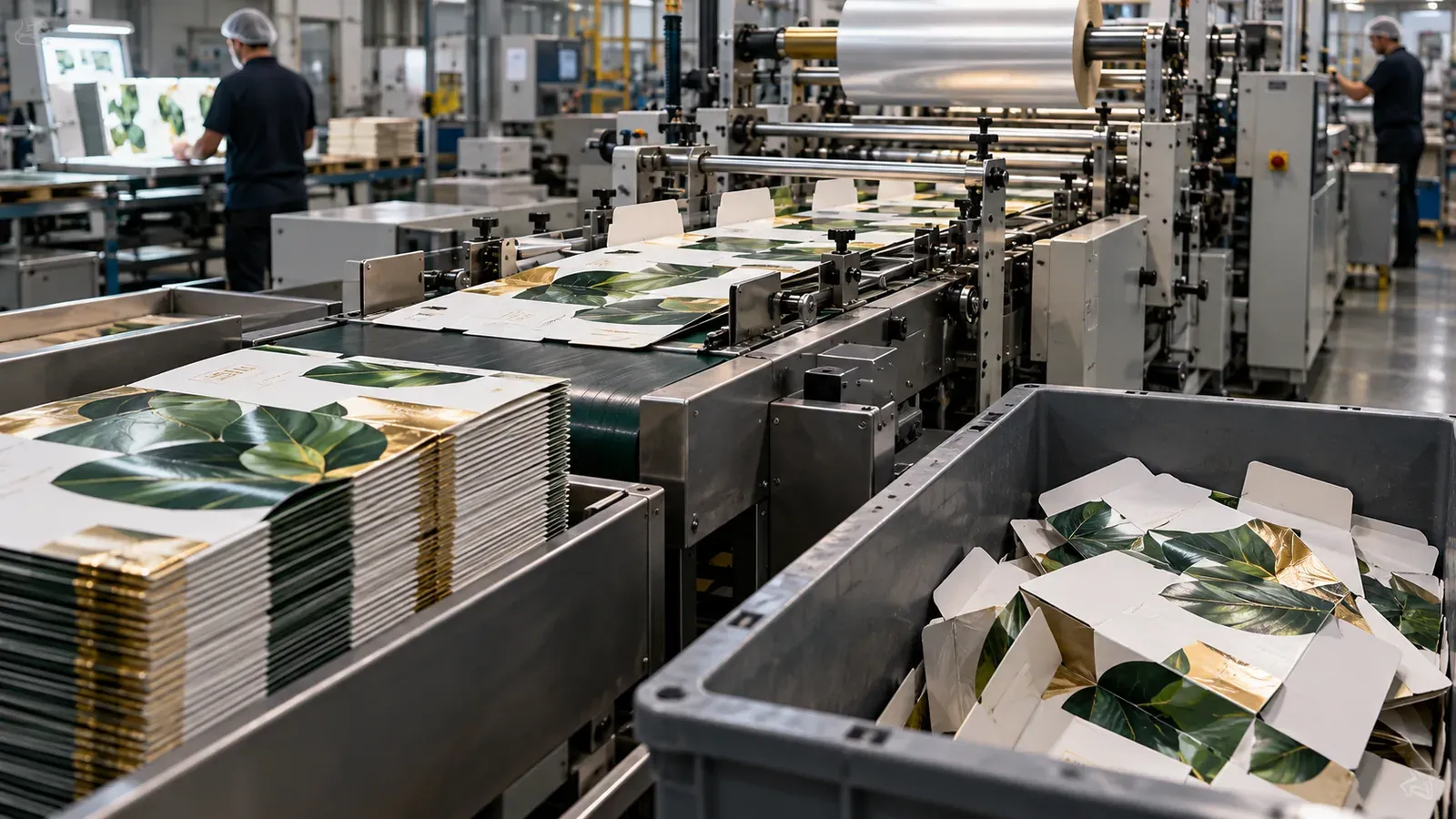
Lamination, coating, foil, folding and gluing can expose defects created by upstream conditions or introduce new ones. Quality must account for process compatibility, not only each machine in isolation.